KIMMEL PUSHES BACK AFTER TRUMP DEMANDS HIS DISMISSAL, DEEPENING DEBATE OVER POLITICAL COMEDY AND FREE SPEECH
LOS ANGELES — Late-night television host Jimmy Kimmel responded Monday to renewed criticism from President Donald Trump and First Lady Melania Trump, rejecting claims that a recent joke about the first lady encouraged violence and describing the remark as a piece of political satire.
The dispute emerged after comments Kimmel made during a segment discussing the White House Correspondents’ Dinner. A joke referencing Melania Trump quickly attracted criticism from members of the administration and supporters of the president.
In his Monday night monologue, Kimmel addressed the controversy directly. He told viewers that the remark was intended as a humorous observation and not as a statement advocating harm against anyone.
According to Kimmel, the joke centered on the public perception of the relationship between the president and first lady. He argued that the interpretation advanced by critics misrepresented the intent behind the comedy segment.
The comedian also emphasized his long-standing public opposition to political violence and gun-related attacks. He said his record on those issues demonstrated that he would not support or encourage violent behavior.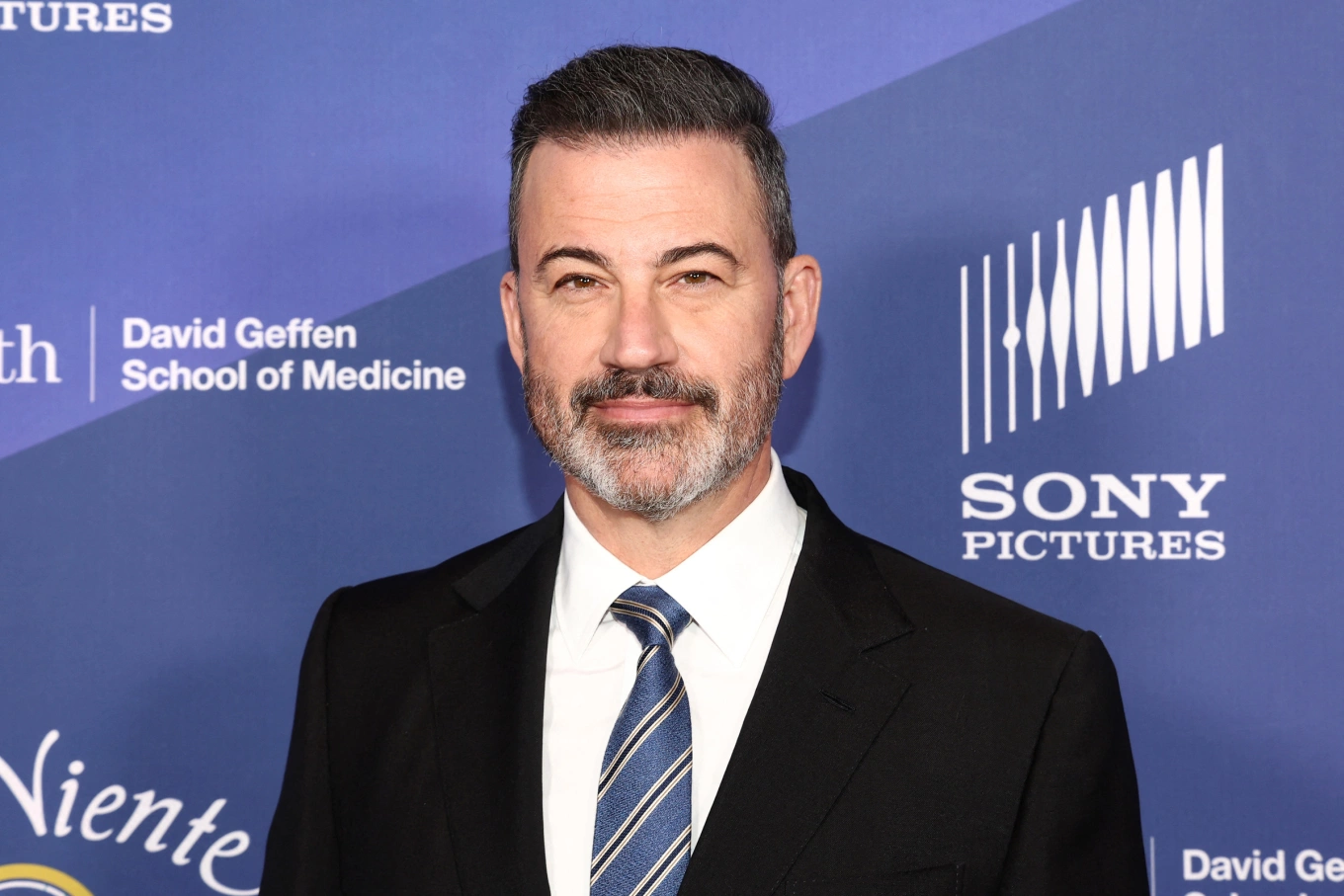
The controversy intensified after Melania Trump publicly condemned the joke. Writing on social media, she described the remarks as harmful and divisive, arguing that they contributed to an increasingly hostile political climate.
The first lady questioned whether ABC should continue supporting the program and urged network leadership to respond. Her comments quickly spread across social media platforms and generated widespread discussion.
President Trump later joined the criticism, expressing support for his wife and calling on ABC and its parent company to take action against Kimmel. The president argued that the comments had crossed acceptable boundaries.
The disagreement unfolded against the backdrop of heightened security concerns in Washington. Days after Kimmel’s original broadcast, authorities detained an armed suspect near a major political gathering attended by government officials.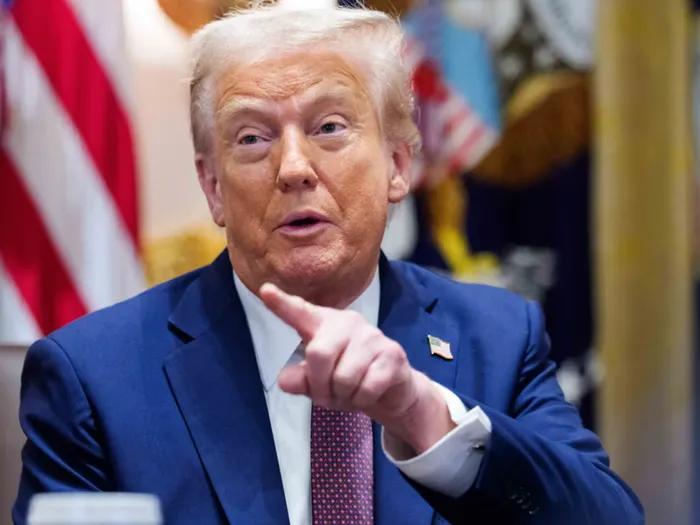
Law enforcement officials stated that the suspect was apprehended before any attack occurred. Public statements from investigators did not establish a connection between the suspect and Kimmel’s television comments.
Nevertheless, the timing of the two events fueled political debate. Some critics of the comedian argued that public figures should exercise greater caution when discussing elected officials and their families.
Supporters of Kimmel disagreed, maintaining that political satire has long played a central role in American public discourse. They argued that comedy programs routinely challenge public figures through exaggeration, irony, and criticism.
The controversy revived broader questions about the relationship between entertainment, politics, and public responsibility. Similar disputes have emerged repeatedly as political commentary becomes increasingly prominent in late-night television programming.
The episode also drew attention because it followed an earlier controversy involving Kimmel. Months ago, remarks he made after a separate political tragedy generated criticism from conservative commentators and public officials.
That earlier dispute led to temporary disciplinary action by Disney, the corporate parent of ABC. The decision sparked debate among free-speech advocates and media observers about the limits of acceptable commentary.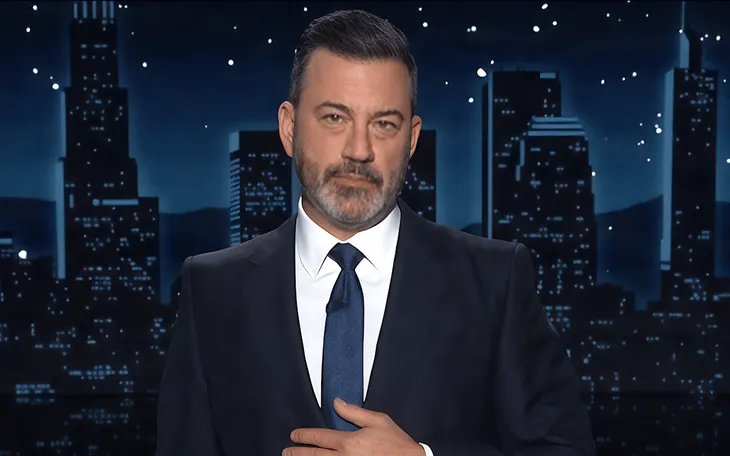
When Kimmel returned to the air following that suspension, he acknowledged that some viewers had found his comments insensitive. At the same time, he maintained that he had never intended to minimize violence or human suffering.
Media analysts say the latest dispute reflects a broader national divide over political humor. What some audiences view as satire, others interpret as disrespectful rhetoric that contributes to partisan tensions.
Legal scholars note that American broadcasters generally operate under strong constitutional protections for speech and expression. At the same time, private companies retain authority over programming decisions and workplace standards.
For ABC and Disney, the controversy presents another difficult balancing act. Executives must navigate competing concerns involving audience expectations, corporate reputation, creative freedom, and political pressure.
Online reaction remained sharply divided throughout Monday and Tuesday. Some social media users supported the first lady’s criticism, while others defended Kimmel and pointed to the long history of comedians targeting public officials.
As the debate continues, the dispute has evolved into something larger than a single joke. It now serves as a focal point in an ongoing national conversation about satire, political polarization, media influence, and the boundaries of public expression in America.
