A recent exchange involving Donald Trump has ignited widespread attention after he delivered a striking and controversial remark referencing one of the most sensitive moments in U.S.–Japan history.
The moment occurred during a joint appearance with Japanese Prime Minister Sanae Takaichi, where the two leaders were addressing the press following discussions on security and international cooperation.
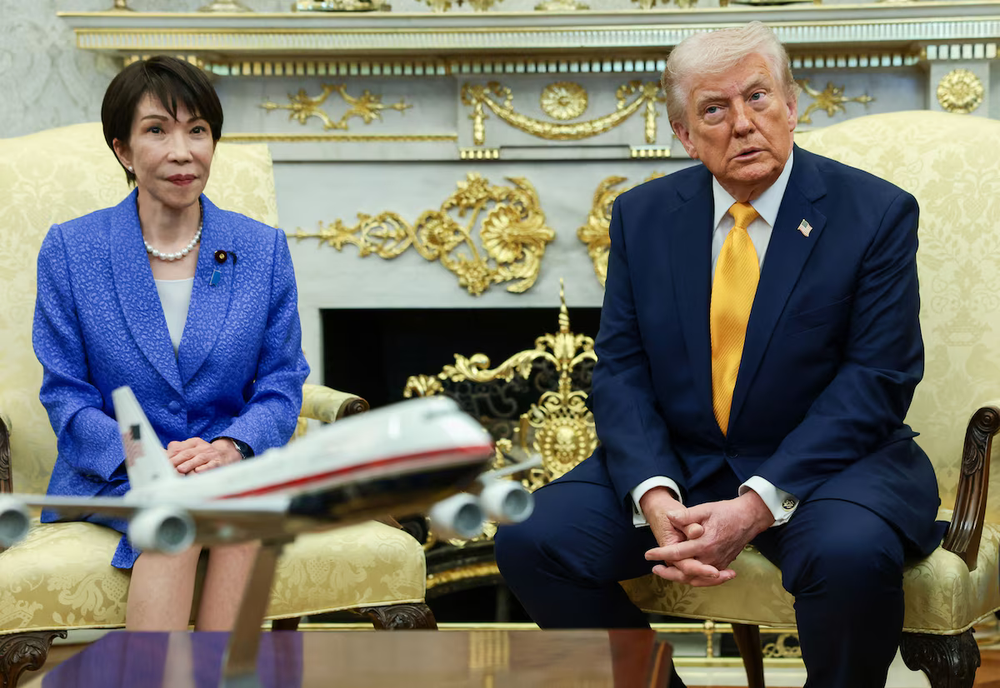
During the press conference, a Japanese reporter questioned Trump about a key issue: why the United States did not notify its allies—including Japan—prior to launching surprise military strikes on Iran. The question touched on concerns about coordination, transparency, and trust among allied nations.
Trump responded bluntly, emphasizing the strategic importance of secrecy in military operations. “We went in very hard and we didn’t tell anybody about it because we wanted surprise,” he said, defending the decision as a tactical necessity.
However, what followed quickly shifted the tone of the room.
In an unexpected turn, Trump referenced Attack on Pearl Harbor, saying: “Who knows better about surprise than Japan? Why didn’t you tell me about Pearl Harbor?” The remark drew immediate attention for its historical weight and provocative framing.
The reference to Pearl Harbor—a 1941 attack that led to the United States entering World War II—remains a deeply sensitive topic in both American and Japanese historical memory. Trump’s comment, delivered in a seemingly off-the-cuff manner, stunned observers and created a brief moment of tension during the press event.
He continued by doubling down on his point, suggesting that surprise is a widely understood military tactic. “He’s asking me, don’t you believe in surprise? I think much more so than us,” Trump added, reinforcing his stance.
Reactions to the remark quickly spread across social media, where users debated whether the comment was humorous, inappropriate, or diplomatically risky. Some supporters described it as a sharp and candid response, while critics argued that invoking Pearl Harbor in such a context was insensitive and unnecessary.
Political analysts note that such statements can have broader implications for diplomatic relations, especially between countries with complex historical ties like the United States and Japan. While the two nations are now close allies, references to wartime history still carry significant symbolic weight.
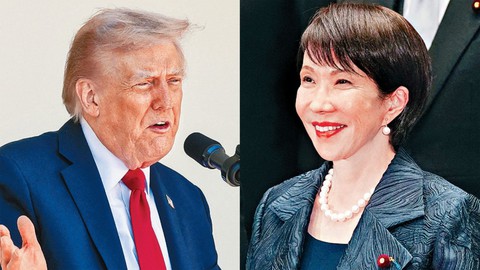
The incident highlights Trump’s characteristic communication style—direct, unscripted, and often controversial. Throughout his political career, he has frequently used blunt language that resonates with supporters but also sparks backlash.
Despite the momentary tension, there has been no immediate indication of official diplomatic fallout from the exchange. However, the remark has added another layer to ongoing discussions about how leaders balance candidness with sensitivity in international diplomacy.
As global audiences continue to react, one thing is clear: even decades later, the legacy of Pearl Harbor remains powerful—and invoking it on the world stage is never without consequence.