Houston, Texas — What was once viewed as a complex but routine stadium negotiation has now taken a dramatic turn, raising serious questions about transparency within one of the NFL’s most historic franchises.
In less than 24 hours, the narrative surrounding the Houston Texans’ stadium plans has shifted from uncertainty to controversy.
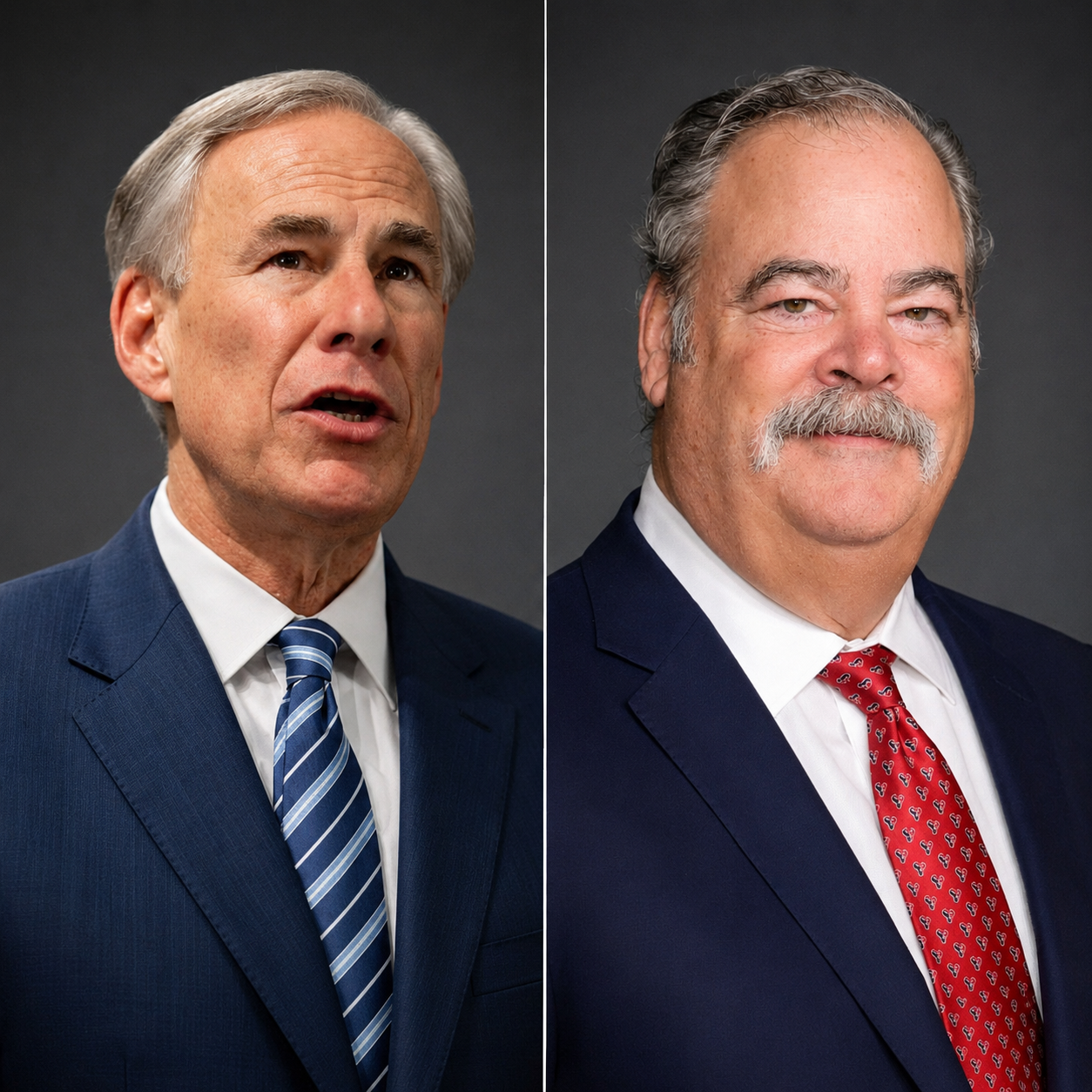
At the center of the story is the Houston Texans, currently navigating one of the most critical business decisions in franchise history.
According to multiple reports referenced by Adam Schefter, internal findings suggest the organization may have misrepresented the extent of its negotiations with the City of Houston.
Publicly, the Texans maintained that only two viable options existed for a new stadium.
Those included major renovations at NRG Stadium and a proposed site in Katy, Texas.
However, newly surfaced information indicates that the situation was far more complicated.
Sources reveal that team representatives and city officials engaged in at least six meetings during April alone.
These discussions reportedly extended well beyond routine matters such as lease agreements at NRG Stadium.
That contradiction has sparked immediate concern.
Insiders believe the Texans may have intentionally minimized their communication with Houston while simultaneously lobbying state lawmakers for support on alternative projects.
Such actions could carry significant consequences.
The organization has been seeking legislative backing for stadium-related financial structures, including tax considerations tied to long-term development.
If trust has been compromised, those efforts may now face serious obstacles.
A senior state official delivered a statement that further intensified the situation:
“We showed patience, we made concessions, and we believed every negotiation was being handled transparently. But if the truth has been withheld, then this is no longer about where the stadium goes — it’s about who we can still trust.”
Houston Mayor John Whitmire has also made it clear that the city still wants to keep the team.
He emphasized a proposal in which the Texans would cover the majority of construction costs while the city retains ownership of the stadium.
At the same time, officials in Katy continue to push aggressively with a fully developed alternative plan.
This has created a three-way tension between the franchise, local government, and state leadership.
Analysts suggest that the timing of these revelations could not be worse for the Texans.
The organization now finds itself balancing public perception with ongoing negotiations that require political cooperation.
For fans, the situation has introduced a new layer of frustration.
The Texans are not just a team.
They represent generations of identity, loyalty, and tradition within Houston.
Any perception of dishonesty risks damaging that relationship.
League observers note that stadium negotiations often involve complex and confidential discussions.
However, transparency remains critical when public funding and legislative support are involved.
The coming weeks may determine whether the Texans can rebuild trust or face long-term setbacks in their stadium ambitions.
For now, one thing is clear.
What once appeared to be a strategic negotiation has evolved into a test of credibility.
And in today’s NFL, reputation off the field can be just as important as performance on it.
