WELLINGTON, March 22, 2026 — A bill introduced to Parliament this week would eliminate minimum legal size limits for commercial fishers on nearly all species managed under the Quota Management System, including popular stocks such as snapper, trevally, tarakihi, butterfish and blue moki.
‘
The Fisheries Amendment Bill, released on March 18 and 19, 2026, forms part of a broader overhaul of the Fisheries Act 1996. Oceans and Fisheries Minister Shane Jones has described the changes as modernising the industry and boosting its economic potential. Under the proposal, commercial vessels using methods such as trawling, Danish seining and set netting would be permitted to retain and sell undersized fish that currently must be returned to the sea.
Recreational fishers and conservation groups have condemned the move as shortsighted and harmful to already depleted stocks. They argue it legitimises catching juvenile fish before they can reproduce, potentially accelerating the decline of key species and undermining long-term sustainability.
The Government’s Rationale
Supporters of the change, including industry representatives, say the current rules create waste. Many undersized fish caught as bycatch die before or after being returned to the water. Allowing commercial operators to land them, count them against quota and sell them would reduce discarding and generate revenue, the argument goes.
Mr. Jones has previously stated that forcing fishers to discard dead or dying juveniles penalises them without benefiting the fishery. The bill is expected to proceed to a select committee, where public submissions will be heard.
Critics’ Concerns
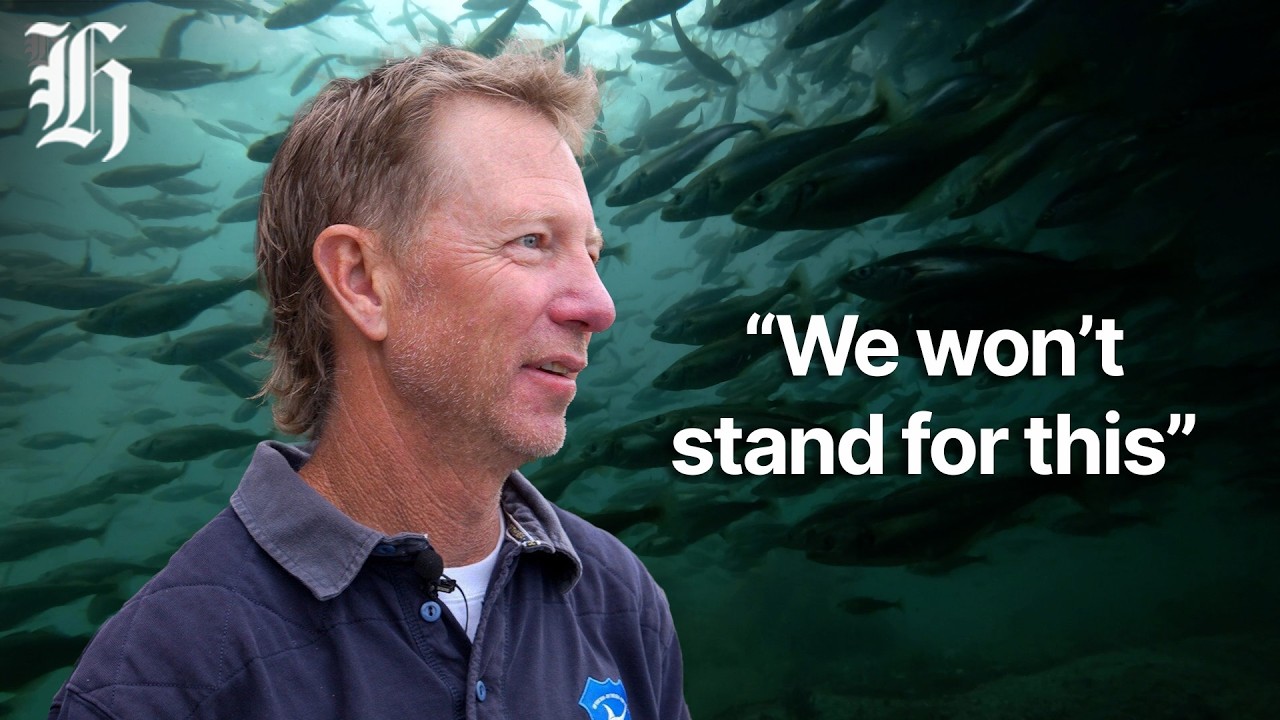
Prominent recreational fishing advocate Matt Watson, host of a popular fishing programme, called the proposal “outrageous” and expressed disbelief that such a significant shift was advancing with limited prior public consultation. He described it as favouring large-scale commercial operators — particularly bottom trawlers and Danish seiners — by allowing them to continue operating in depleted areas while monetising catches that would otherwise be discarded.
Environmental organisations, including Forest & Bird, warned that removing size limits erases one of the few remaining protections for juvenile fish in commercial fisheries. They argue the reform does little to address core problems such as overfishing, habitat destruction from trawling, inaccurate discarding reports or insufficient enforcement of quotas.
A key point raised by opponents is that the reform does not appear to include a strict “land-all” requirement. Currently, commercial fishers can still discard unwanted catch (with estimates reported against quota). Without mandatory landing and weighing of every fish caught — paired with stiff penalties for exceeding quota — the change could simply increase pressure on young fish without reducing overall mortality.
Recreational fishers would retain their existing size and bag limits, creating a two-tier system that many view as unfair.
Questions About Political Motivations

Mr. Jones, a New Zealand First MP, has been outspoken in his support for expanding the commercial seafood sector’s productivity. Critics, including some recreational fishing groups, point to the industry’s historical political donations and lobbying as a possible influence. Mr. Jones has rejected suggestions of undue influence, framing the reforms as pragmatic steps to reduce waste and support coastal communities.
The bill contains other significant changes that have drawn less immediate attention, including provisions that could limit public challenges to ministerial decisions on fisheries management.
What Happens Next
The legislation is at an early stage. Once it reaches the select committee, members of the public, iwi, recreational fishers, environmental groups and the commercial sector will have the opportunity to make submissions.
Many recreational fishers and conservation advocates are urging New Zealanders to contact their local MPs and participate in the submission process. They argue that fisheries management should prioritise rebuilding depleted stocks for future generations rather than short-term commercial gains.
New Zealand’s fisheries have long been a source of national pride and economic value, but several inshore stocks remain under pressure. Minimum size limits have traditionally served as a blunt but effective tool to protect juveniles. Whether removing them for the commercial sector — while keeping them for recreational fishers — represents sensible modernisation or a risky step toward further depletion will be central to the coming debate.
Submissions are expected to open soon. The government has indicated it wants the reforms passed this year.