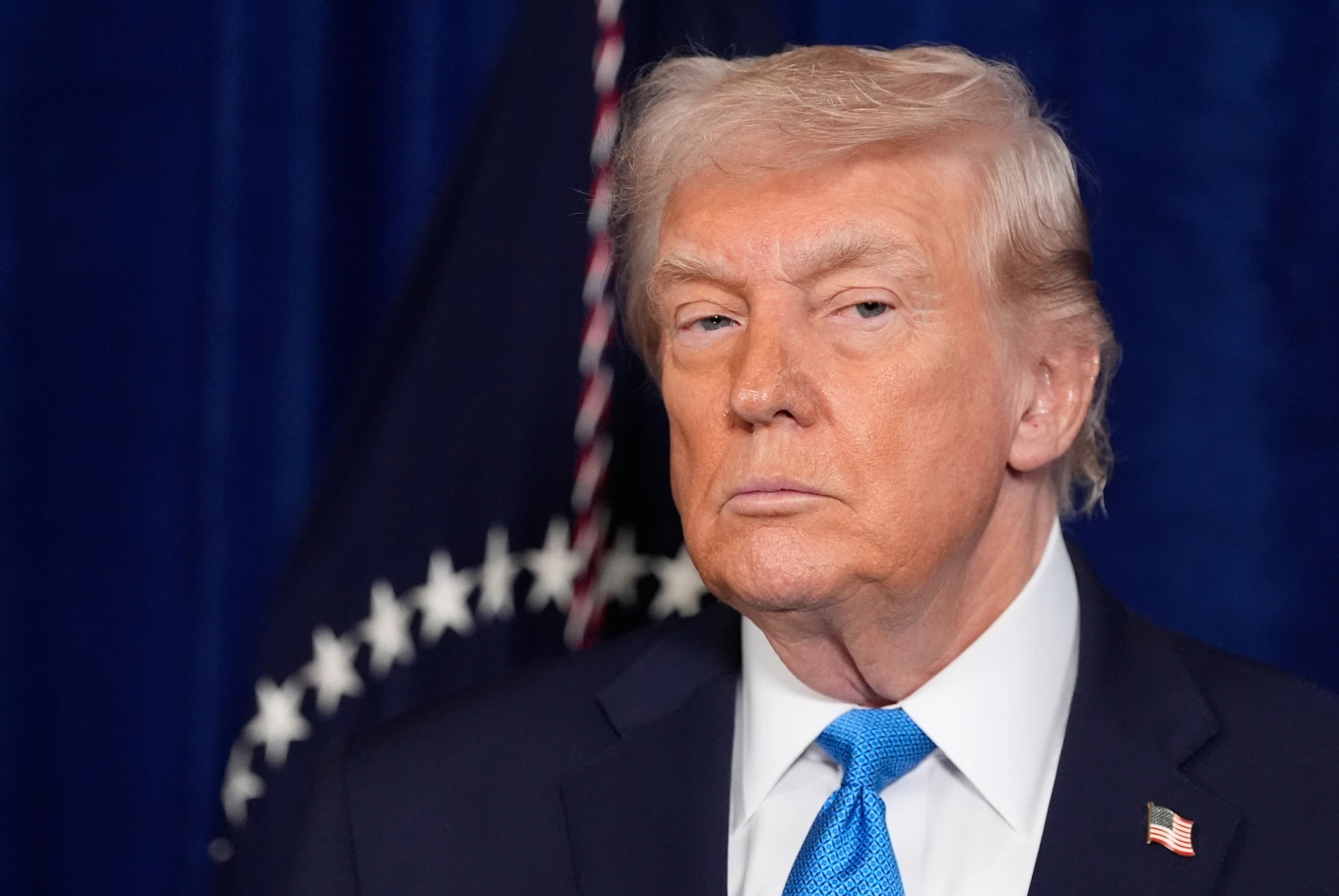
A heated political battle is unfolding in Washington as Democrats and Republicans collide over a controversial piece of legislation known as the Save America Act. At the center of the storm is Donald Trump, whose allies are pushing the bill despite strong opposition and uncertainty over whether it can pass the Senate.
Democratic leaders, including Chuck Schumer and Alex Padilla, have launched a forceful campaign against the proposal, warning that it could fundamentally alter the U.S. voting system. They argue the bill is not about election security, but about restricting access to the ballot box.

According to critics, the legislation would impose stricter requirements for voter registration, including the need for documents such as passports or certified birth certificates—forms of identification that millions of Americans do not readily possess. This, they say, could disproportionately affect vulnerable groups such as low-income citizens, seniors, students, and women whose legal documents may not match their current names.
Democrats also raised alarms over provisions that would require states to share voter data with federal agencies, including the Department of Homeland Security. Opponents describe this as an unprecedented expansion of federal involvement in elections, potentially raising concerns over privacy and misuse of personal information.

Supporters of the bill, largely aligned with Trump, argue that stricter rules are necessary to ensure election integrity. However, critics point out that there has been no widespread evidence of voter fraud significant enough to justify such sweeping changes.
During a press conference, Schumer accused Republicans of attempting to “rig democracy” in response to declining political support. He suggested that instead of addressing rising living costs, economic pressures, or international tensions, lawmakers backing the bill are focusing on reshaping electoral rules ahead of upcoming elections.
Meanwhile, advocacy groups and civil rights organizations have joined the opposition, warning that the bill could roll back decades of progress in expanding voting rights in the United States. Some activists have gone as far as calling it one of the most restrictive voting proposals in modern American history.
The political stakes are high. With elections approaching, both parties are intensifying their messaging, framing the debate as a defining moment for American democracy. For Democrats, the bill represents a direct threat to voter access. For Republicans, it is framed as a safeguard against potential irregularities.
Despite the sharp divide, one thing is clear: the fight over voting rights is far from over. As the debate continues in Congress, the outcome could have lasting consequences for how Americans participate in their democracy—and who gets to decide the rules.