Stephen Colbert’s Exit Leaves Massive Void as CBS’ New Late-Night Strategy Faces Immediate Reality Check
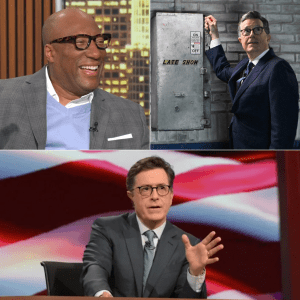
The end of Stephen Colbert’s run on The Late Show marked more than the close of a television chapter. For CBS, it also became the beginning of an immediate ratings challenge that few expected to arrive so quickly or so dramatically.
Just one night after Colbert’s emotional farewell, CBS debuted Comics Unleashed in the network’s iconic 11:35 p.m. slot. The numbers revealed an unmistakable shift. Nearly seven million viewers watched Colbert’s final episode, while fewer than one million tuned in for Byron Allen’s opening night.
The contrast was impossible to ignore. According to early Nielsen figures, Colbert’s finale attracted over 6.7 million viewers, making it one of the most-watched episodes of his entire tenure and significantly outperforming his typical nightly audience.
Meanwhile, Byron Allen’s Comics Unleashed premiered to approximately 995,000 viewers. Though still a notable audience for late-night television standards, the sharp decline reflected the challenge of stepping into a time slot long associated with one of television’s most recognizable hosts.
Compounding the conversation, competing programs from Jimmy Fallon and Jimmy Kimmel both reportedly outperformed Allen’s debut that same evening. Fallon aired a fresh episode, while Kimmel drew strong numbers despite broadcasting a rerun, underscoring the loyalty of established late-night audiences.

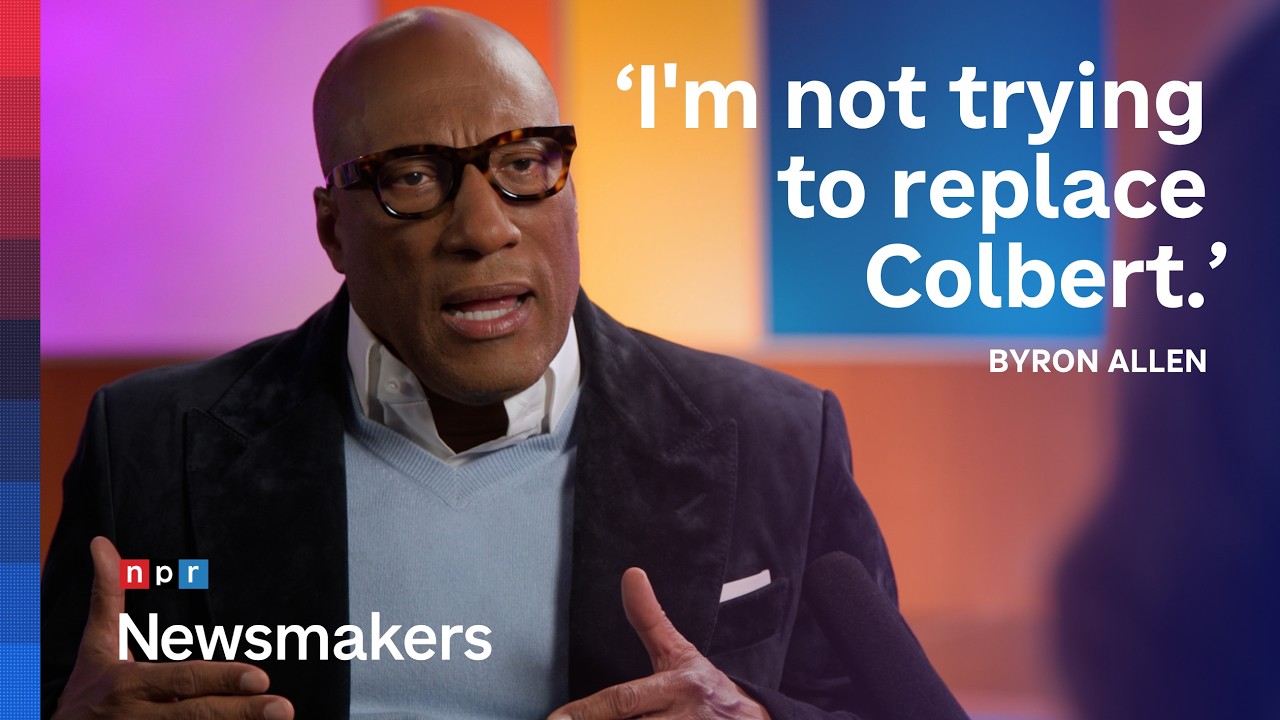
Still, Allen appeared prepared for the comparison long before the ratings surfaced. In interviews leading up to the launch, he repeatedly emphasized that his goal was not to replicate Colbert’s success or inherit the exact audience that had followed The Late Show for years.
Instead, Allen framed Comics Unleashed as a separate identity entirely — a comedy panel program with its own long-standing fan base and style. Having existed for two decades in syndication, Allen argued the show already understood its lane and audience expectations.
CBS’ strategy itself has attracted considerable curiosity throughout the entertainment industry. Earlier this year, Allen reportedly secured the historic late-night time slot for a substantial investment, planning to sell advertising directly while programming back-to-back comedy hours under his company’s control.
That means viewers tuning into CBS after local news now encounter two consecutive Allen-backed programs: Comics Unleashed followed by Funny You Should Ask. The arrangement marks one of the most unusual programming pivots late-night television has seen in years.
The first newly aired Comics Unleashed episode featured comedians Hannah Dickinson, Mark Smalls, Lance Woods, and Joe Sib. The second half-hour reportedly included a previously aired episode, maintaining a format Allen’s company says has remained consistent across recent broadcasts.
Yet perhaps the most surprising comparison emerged outside traditional television entirely. Less than one day after leaving CBS, Colbert resurfaced unexpectedly on Monroe Community Media’s Only in Monroe, a small local-access program in Michigan that quickly generated widespread attention online.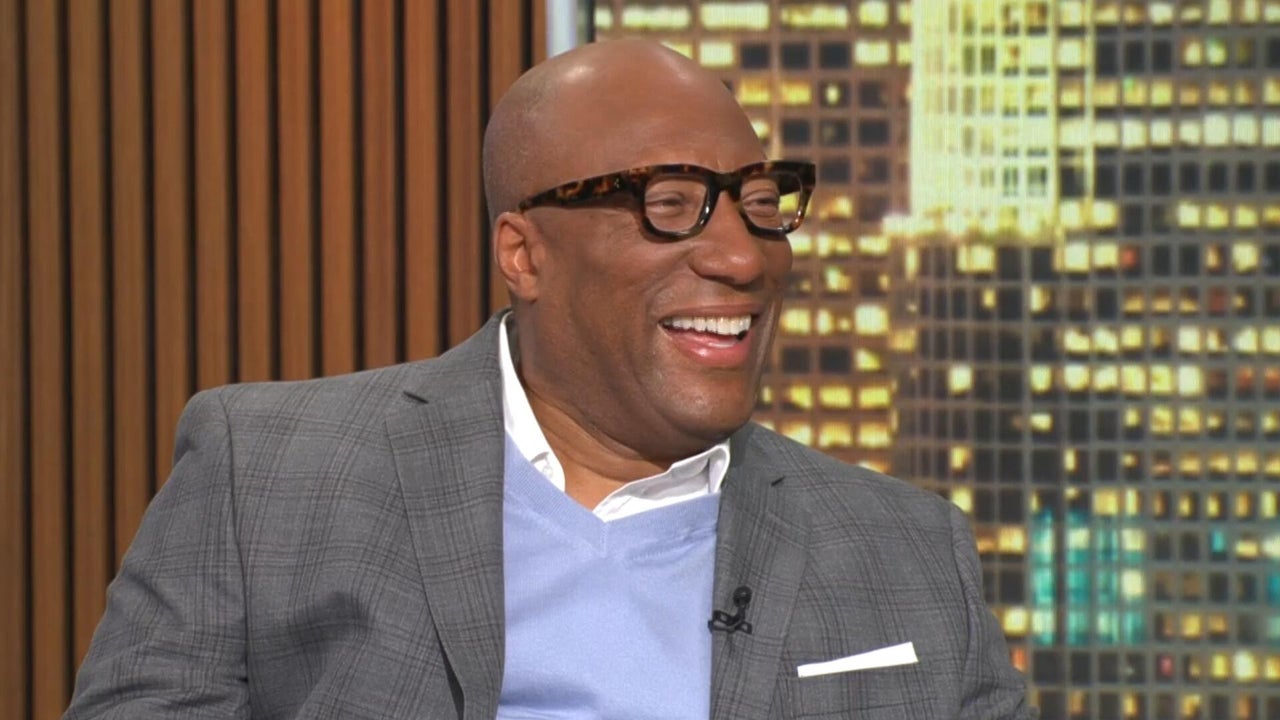
Posted to Colbert’s newly launched YouTube channel, the appearance gained remarkable momentum within days. The episode rapidly approached one million views, placing a modest public-access broadcast in striking proximity to the audience of a nationally syndicated television replacement.
For longtime viewers, the moment felt symbolic. While CBS moved forward with a new business strategy, Colbert appeared to reconnect directly with audiences in a simpler setting — smaller stage, lighter production, but unmistakably familiar humor and personality.
Of course, early ratings rarely tell the full story. Delayed viewing numbers, streaming engagement, and audience habits continue evolving across television. One night alone does not determine the long-term future of a late-night program or the sustainability of a network strategy.
Still, the opening numbers offered an unmistakable reminder: Stephen Colbert’s departure leaves behind an audience built over eleven years, and replacing a familiar late-night voice may prove far more difficult than simply filling the empty chair.