March 20, 2026 – Wellington, New Zealand
Just weeks after direct attacks on energy infrastructure in the Persian Gulf escalated the Middle East conflict, New Zealanders are already feeling the financial pain at the pump, in their mortgages, airfares and everyday costs. The war has triggered sharp rises in global oil prices, with ripple effects now hitting household budgets and broader economic forecasts.
Since the intensification of strikes on Iran’s South Pars gas field and subsequent retaliatory attacks on Gulf energy sites, national average petrol prices have climbed by about 55 cents per litre, while diesel has surged by around 90 cents per litre, according to the latest Commerce Commission fuel monitoring report released on March 19–20, 2026.
In many parts of the country, 91-octane petrol has pushed above $3 per litre, with some forecasts warning of $3.30 or higher if crude prices remain elevated. Diesel prices in some regions are approaching or exceeding $3, compounding costs for freight, logistics and food supply chains.
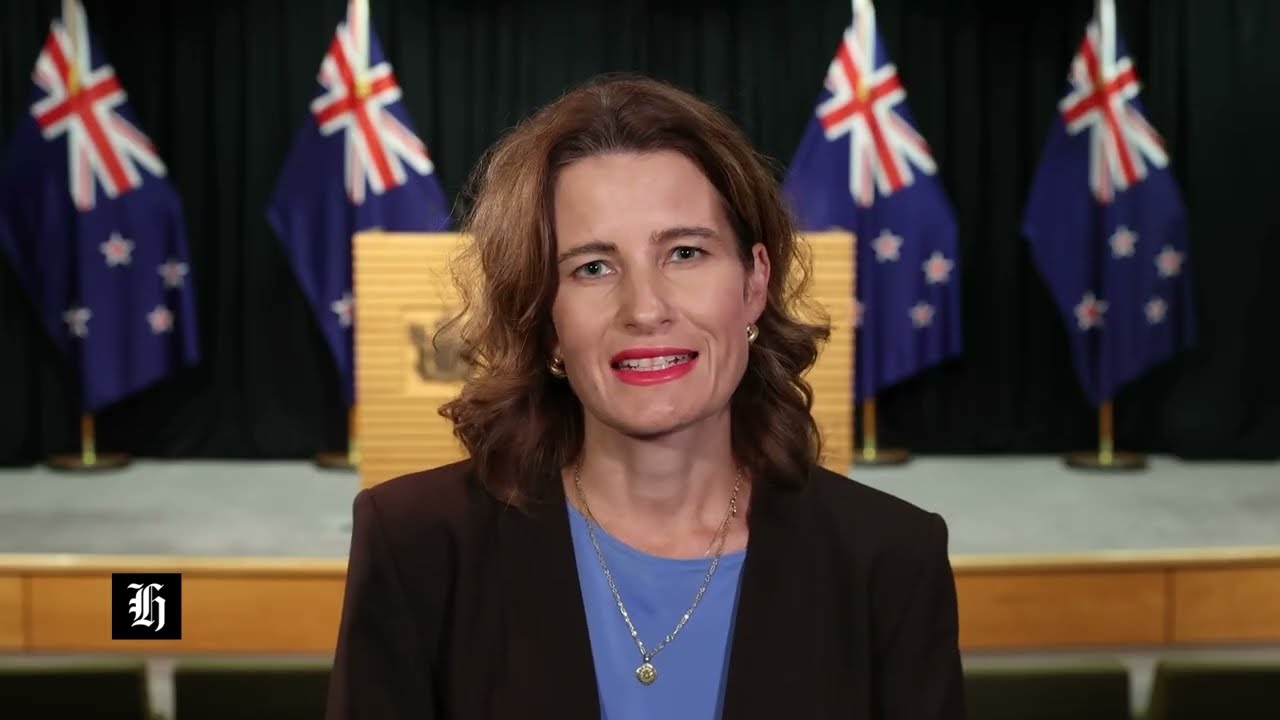
Finance Minister Nicola Willis acknowledged the pressure in a radio interview on March 20. “New Zealanders are feeling real price pain right now that is acute,” she said, “particularly for those families with kids on low incomes.”
Quantifying the Hit: From Fuel to Mortgages and Airfares
The direct impact is already measurable:
- Petrol — Up approximately 55 cents per litre nationally since the conflict escalated.
- Diesel — Up around 90 cents per litre, hitting transport and freight operators hardest.
- Mortgages — Rising swap rates linked to global uncertainty have pushed some home loan rates higher, adding an estimated $1,500 a year for many borrowers, according to mortgage brokers briefing media this week.
- Air travel — Air New Zealand has introduced fuel surcharges of about $10 on domestic flights, $20 on short-haul and up to $90 on international routes. The airline has suspended its 2026 financial guidance because of jet fuel volatility.
- Ride-sharing platforms such as Uber are also increasing fuel charges, while broader knock-on effects are appearing in plastics, packaging, freight and grocery prices.
These increases come on top of New Zealand’s heavy reliance on imported refined fuel. The country closed its Marsden Point refinery in 2022 and now sources roughly half its supply from South Korea and a third from Singapore — both of which depend on Middle Eastern crude vulnerable to disruption in the Strait of Hormuz.
As of March 15, the country held about 49 days of combined petrol, diesel and jet fuel cover, including stocks onshore and cargoes already at sea. The figure has dipped slightly in recent days but remains within normal operating ranges, officials say. No fuel restrictions or rationing are in place, and the government continues to urge against panic buying.
Government Response: Targeted Support Under Consideration
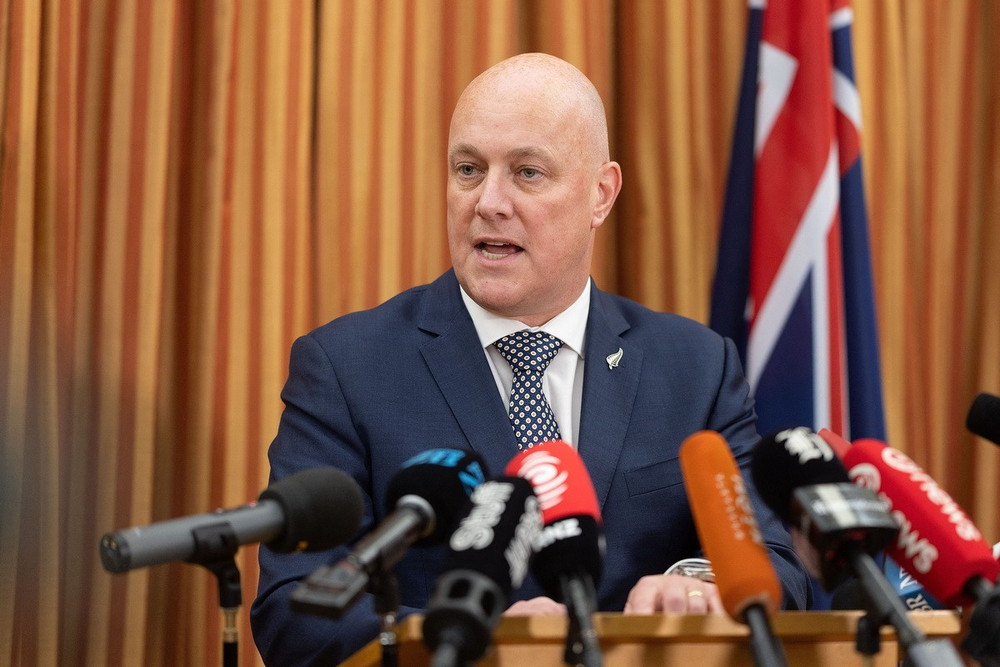
In her interview, Willis stressed the government was balancing two messages: there is no immediate need to panic, but authorities are preparing for potential delays or limitations in refined fuel imports.
“We are preparing for situations which could occur in which New Zealand faces delays or limitations,” she said. “We’re being upfront with New Zealanders that there are a range of scenarios here and some of them would involve disruption to fuel supply.”
Willis confirmed she has prepared advice for Cabinet on targeted cost-of-living support, likely delivered through the tax and transfer system — including possible adjustments to Working for Families and In-Work Tax Credits. Any package would be “timely, temporary and targeted” toward lower- and middle-income families facing the sharpest pain, particularly those with children.
She ruled out broad, universal relief or a blanket fuel tax cut, describing such measures as irresponsible given inflation risks and fiscal constraints. “The only way all of the pain will be relieved is if this war in the Middle East comes to an end,” Willis said.
The government is also working closely with fuel importers and retailers on temporarily relaxing fuel specifications, particularly sulfur content. Current New Zealand standards are ultra-low (10 parts per million). Allowing slightly higher levels — closer to those in the United States or some Asian markets — could broaden sourcing options without compromising vehicle performance, though it would result in marginally higher emissions.
Willis said officials were seeking evidence that relaxed rules would unlock genuinely additional supply before making changes. Discussions with industry are ongoing, with decisions expected in the coming weeks.
On working-from-home arrangements, Willis declined to issue government directives, saying such decisions should rest with individual employers and employees. She noted that many organisations were already showing flexibility, but performance and public service standards must be maintained, especially in government departments.
Inflation Outlook Under Pressure
The conflict is also complicating the Reserve Bank’s inflation battle. Willis noted that recent Treasury and official forecasts did not fully factor in the latest destruction of refinery and exploration infrastructure. She suggested the upper end of the current inflation projection range (around 3.7 percent) may prove conservative, with further upward pressure expected in coming months.
Economists and logistics leaders warn that sustained high fuel prices will flow through to almost every sector — from freight and food to consumer goods and services.
Former Marsden Point refinery manager David Keat, who appeared on the same program earlier in the week, described the disruption as structural rather than temporary. He pointed to a 6-to-12-week lag before full effects reach New Zealand pumps and noted that higher global prices would eventually curb demand while prompting refiners to optimise between fuel types.
Keat also highlighted unused storage capacity at the former refinery site and the trade-offs involved in filling tanks: significant capital and holding costs that ultimately fall on consumers.
A Test of Resilience
As the Middle East conflict shows little sign of quick resolution, New Zealand faces a genuine test of its post-refinery energy security model. With stocks still healthy for now, the immediate challenge is managing price pain rather than physical shortages.
The government’s strategy — calm communication combined with preparation for worst-case scenarios and narrowly targeted relief — aims to protect the most vulnerable without fuelling inflation or unsustainable borrowing.
For many households, however, the numbers are already stark: higher costs at the pump, in the mortgage statement and on the boarding pass. Whether the conflict eases or deepens in the weeks ahead will determine how much more expensive daily life becomes.