Colombia’s political landscape entered a new period of uncertainty after Senator Iván Cepeda delivered one of his strongest public statements since the 2026 presidential election, urging what he described as peaceful civil disobedience if a series of legal and constitutional concerns surrounding President-elect Abelardo de la Espriella are not addressed.
Cepeda argued that several unresolved issues deserve public clarification before the incoming administration formally takes office, saying they involve questions about constitutional obligations, national sovereignty, and the independence of Colombian institutions.
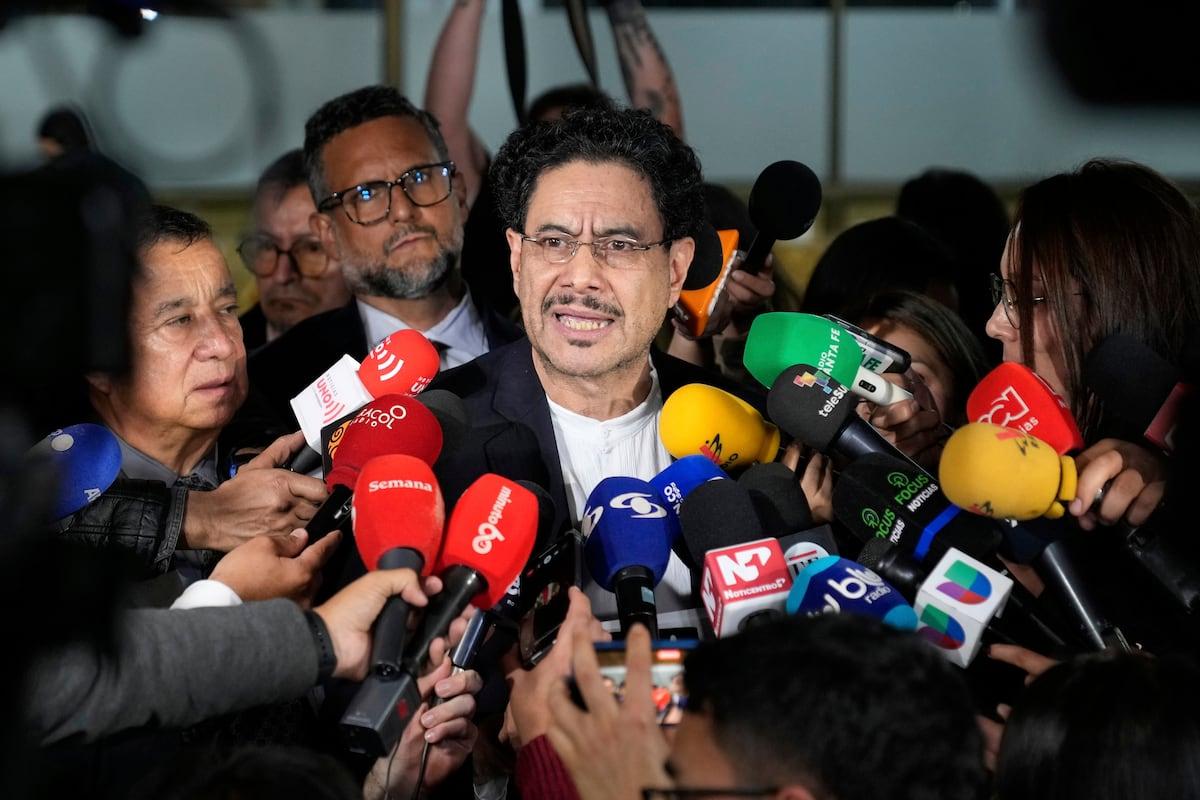
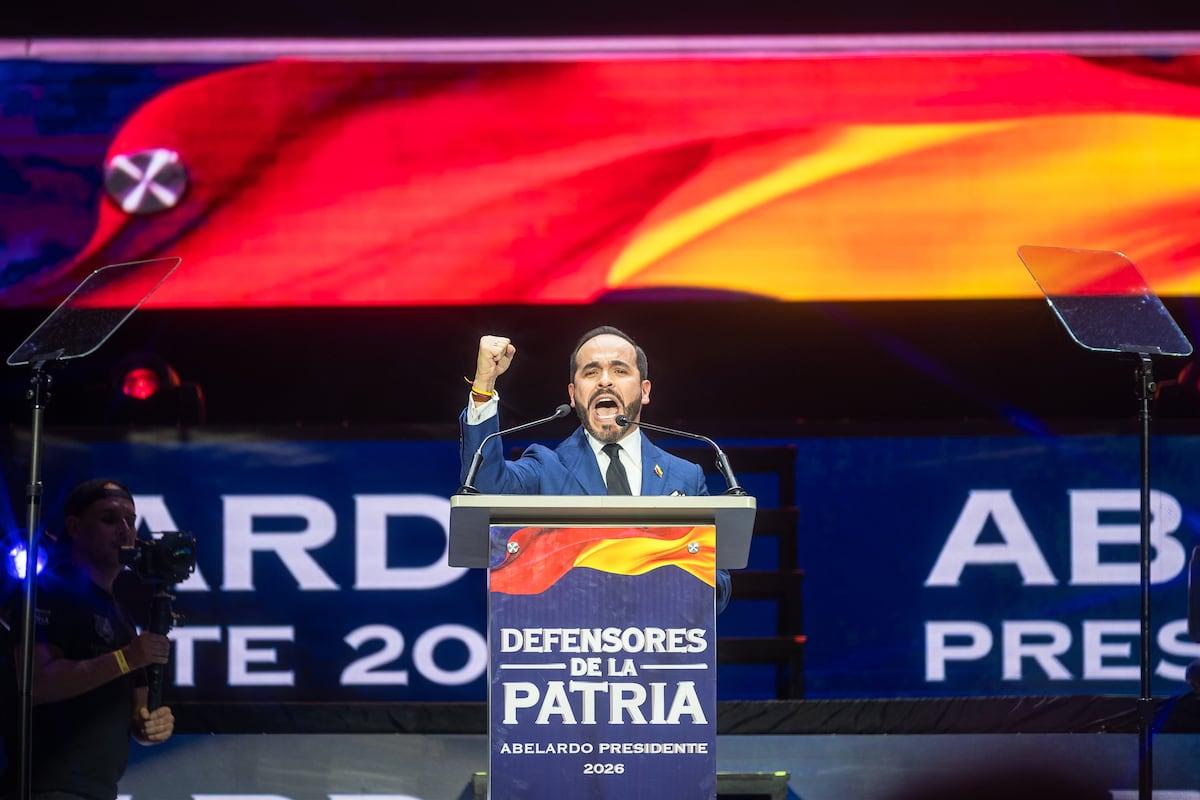
His remarks immediately intensified an already polarized political climate, with supporters describing the speech as a defense of democratic accountability while critics accused him of attempting to delegitimize the election results.
Rather than announcing legal action alone, Cepeda framed his message as a political warning, insisting that citizens have both the right and the responsibility to peacefully oppose actions they believe conflict with Colombia’s constitutional principles.
The statement quickly became one of the country’s most discussed political developments, dominating television debates and social media conversations.
Cepeda’s first concern centered on reports that Abelardo de la Espriella possesses U.S. citizenship.
According to Cepeda, dual citizenship raises constitutional and political questions that deserve public explanation before the transfer of power is completed.
He argued that Colombian citizens deserve clarity regarding how any international legal obligations might interact with the responsibilities of serving as Colombia’s head of state.
Legal experts, however, have noted that questions about eligibility ultimately depend on Colombia’s constitutional framework and any applicable rulings by the country’s competent authorities rather than political statements alone.
At the time of Cepeda’s remarks, no judicial authority had publicly ruled that de la Espriella was constitutionally barred from assuming office.
A second issue raised by Cepeda concerned de la Espriella’s previous legal representation of businessman Alex Saab.
Cepeda argued that the former attorney-client relationship should receive greater public scrutiny because of Saab’s international legal controversies.
He questioned whether additional explanations regarding that professional relationship would help reassure the public about potential conflicts of interest.
However, de la Espriella has previously maintained that his representation of Saab was part of his professional duties as a lawyer and that legal representation does not imply endorsement of a client’s alleged conduct.
Under widely recognized legal principles, attorneys may represent clients accused of crimes without becoming responsible for those allegations themselves.
No court has concluded that de la Espriella committed wrongdoing simply by acting as legal counsel.
Cepeda also referenced reports involving letters from several U.S. lawmakers requesting additional review of financial matters allegedly connected to de la Espriella.
He argued that such reports warrant transparency and should be clarified publicly.
At the same time, no publicly available judicial finding has established that the allegations contained in those political communications constitute proven misconduct.
Political requests for investigations do not, by themselves, establish legal liability.
Another major theme of Cepeda’s speech involved concerns over foreign influence.
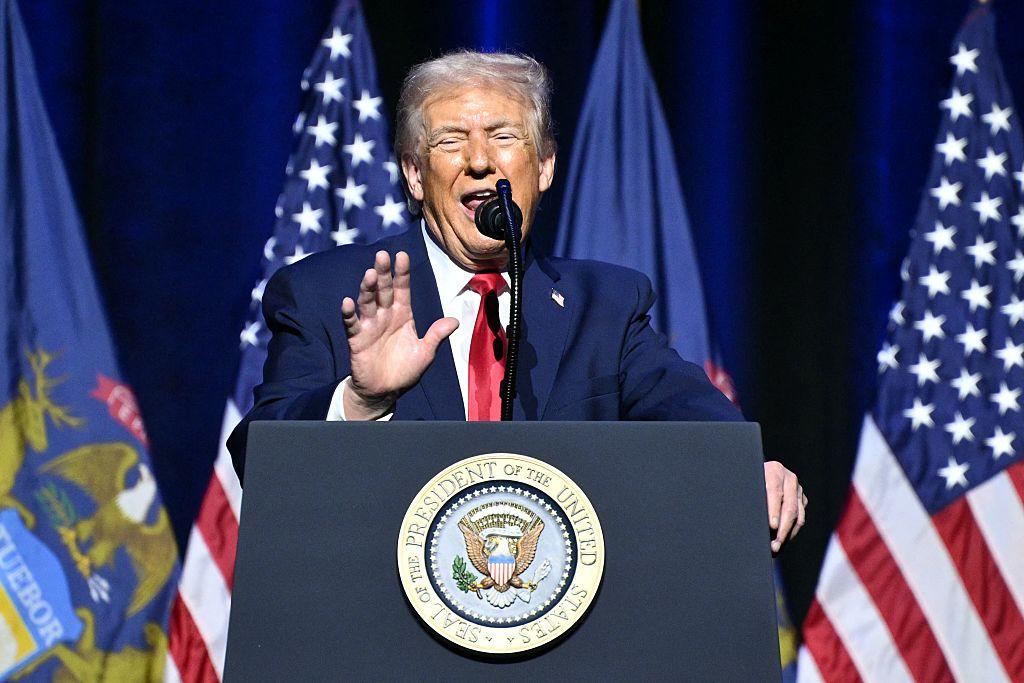
He criticized what he described as inappropriate interference by former U.S. President Donald Trump in Colombian politics.
Cepeda argued that Colombia’s sovereignty should remain independent of any foreign government regardless of political ideology.
He cited comments from Colombian journalist Camila Zuluaga, who publicly expressed concern that outside influence in domestic elections should concern Colombians irrespective of which foreign leader is involved.
According to Cepeda, questions about sovereignty deserve equal attention regardless of whether foreign influence comes from allies or geopolitical rivals.
Perhaps the most controversial portion of Cepeda’s address involved his suggestion that Colombian authorities should seek clarification regarding any possible relationship between de la Espriella and U.S. security agencies.
Cepeda stated that such questions should be answered publicly.
No evidence has been presented by a court or competent authority establishing that de la Espriella is or has been an agent of the DEA, CIA, or any U.S. intelligence agency. Those remarks remain political allegations made by Cepeda and have not been substantiated through judicial findings.
Because of the seriousness of such claims, any conclusions would require credible evidence and official verification.
Cepeda also criticized proposals that he believes could align Colombia too closely with U.S. foreign and security policy.
He argued that major strategic decisions affecting national defense and international cooperation should receive broad institutional debate before implementation.
Supporters of the incoming administration, meanwhile, argue that closer cooperation with the United States strengthens security, investment, and regional stability.
The disagreement reflects broader ideological divisions that have shaped Colombian politics for years.
The speech concluded with Cepeda announcing that, if his concerns remain unresolved, he intends to promote peaceful civil disobedience rather than violence.
He emphasized that any resistance should remain within democratic principles and reject acts of aggression.
Civil disobedience has historically been used around the world as a nonviolent form of political protest, although its legitimacy and application often become subjects of intense legal and political debate.
Whether Cepeda’s proposal gains widespread public support remains uncertain.
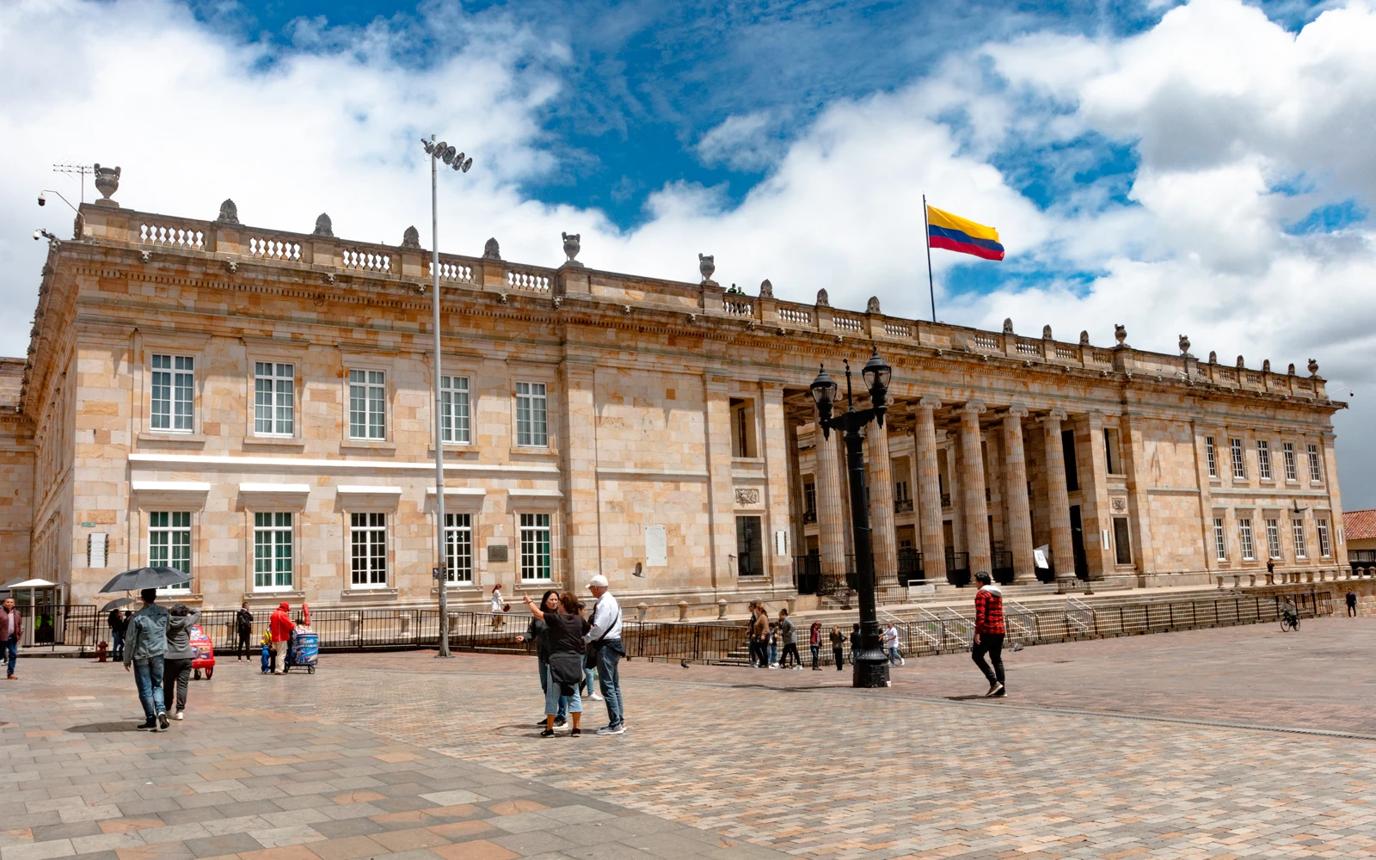
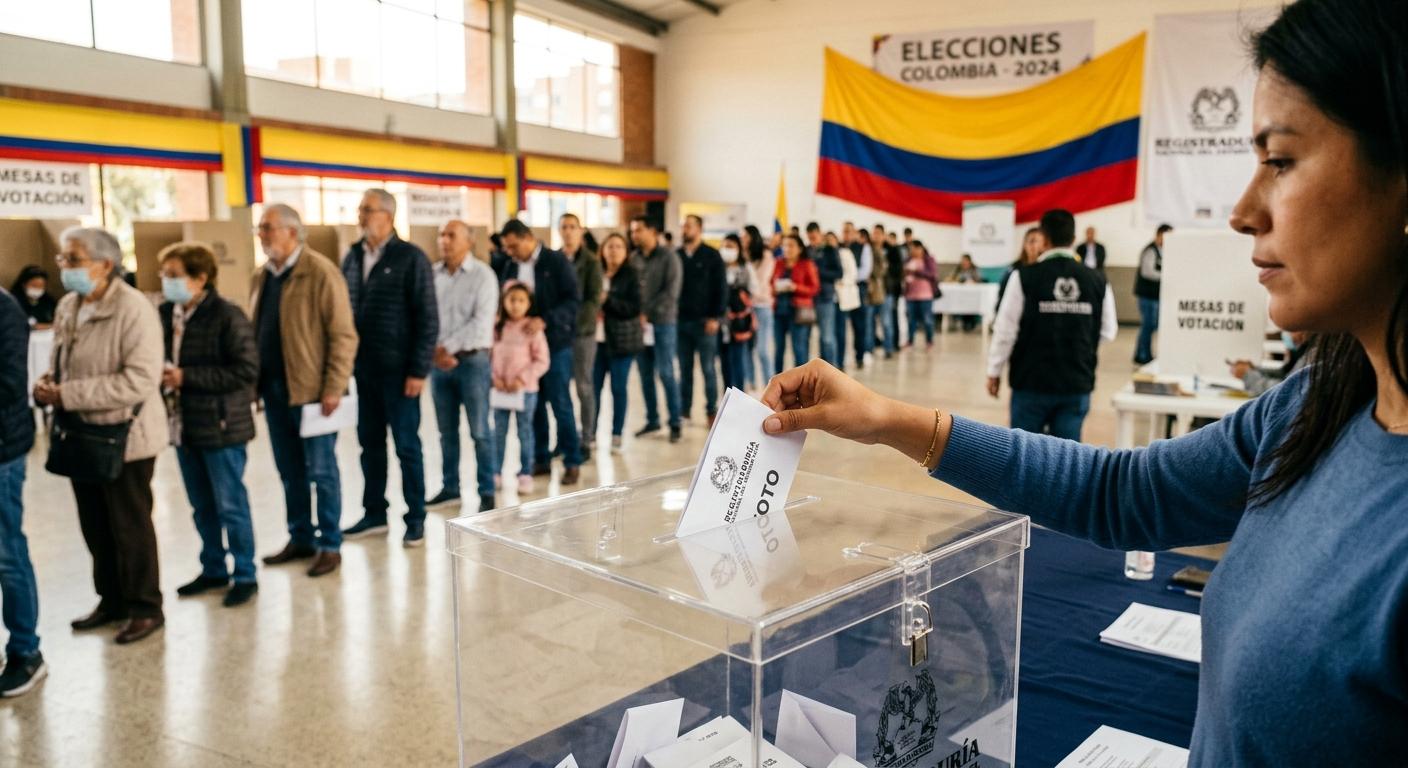
The coming months are expected to test Colombia’s democratic institutions as legal, constitutional, and political debates continue.
For supporters of the incoming government, the election represents a democratic mandate that should be respected unless overturned through lawful constitutional procedures.
For Cepeda and his allies, unresolved questions regarding sovereignty, transparency, and constitutional obligations deserve answers before the next administration fully assumes power.
Ultimately, any determination regarding the legality of the president-elect’s eligibility or conduct rests with Colombia’s competent judicial and constitutional authorities—not with political speeches alone.
As the country prepares for a new administration, the debate illustrates the deep polarization that continues to define Colombian politics, leaving many citizens watching closely to see whether these disputes move from political rhetoric into formal legal proceedings, or whether they remain part of an increasingly heated battle over the country’s future.
