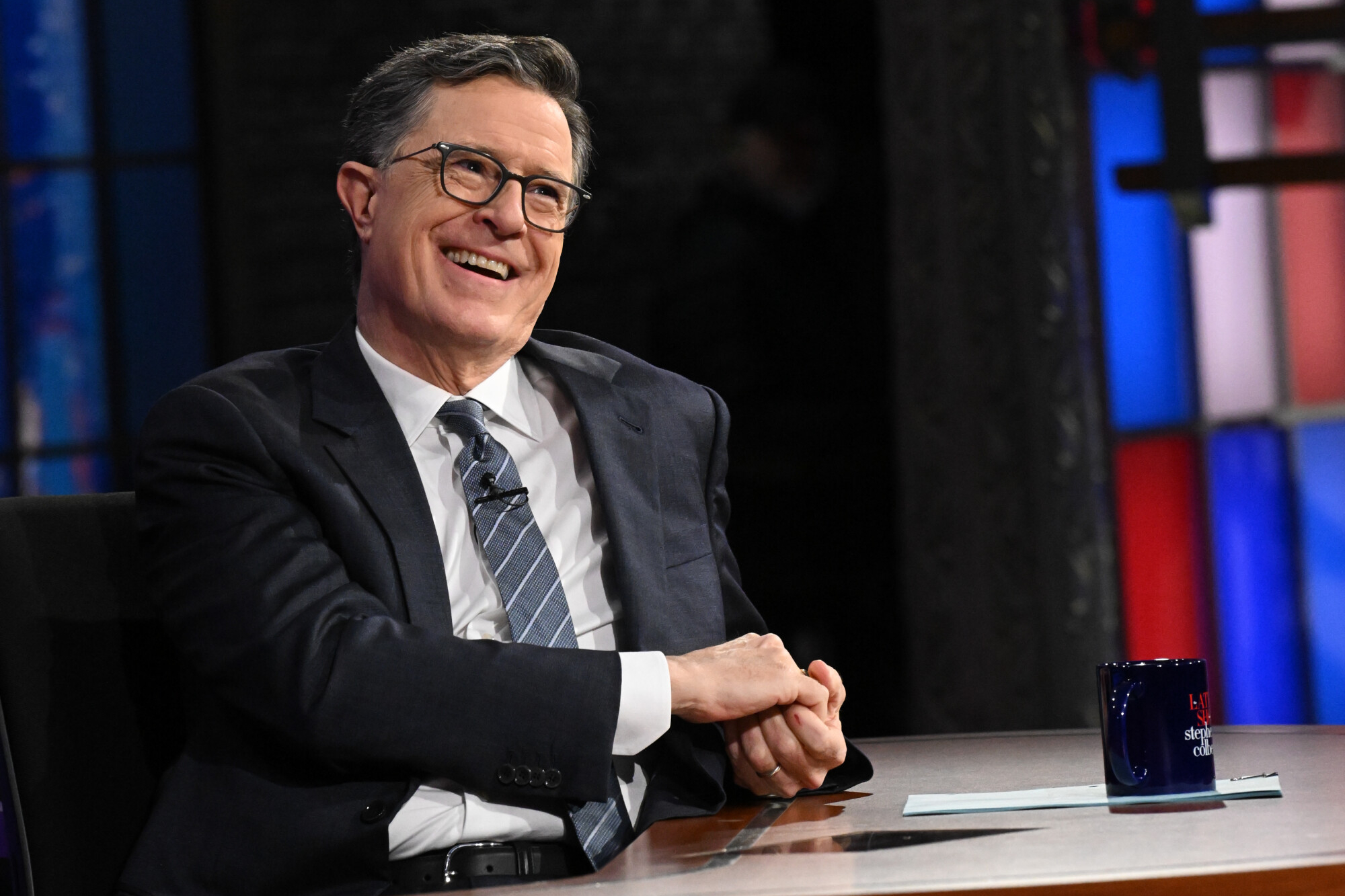
Stephen Colbert may have ended his run on late-night television, but the former host is already drawing major attention with a surprising next move. Less than a week after signing off from The Late Show, Colbert quietly launched a new YouTube channel that quickly attracted thousands of subscribers.

The unexpected debut came without a major announcement or promotional campaign. Instead, Colbert uploaded a single hour-long video titled Only in Monroe — May 22, 2026, instantly sparking curiosity among longtime fans eager to see what his next chapter might look like.
The video featured Colbert returning to Monroe Community Media, a small public-access television station in Monroe, Michigan. For devoted viewers, the appearance felt symbolic. Colbert famously visited the same program back in 2015 before officially launching his version of The Late Show.
Rather than appearing in a polished studio environment, Colbert embraced the local-access atmosphere with humor and familiarity. During the broadcast, he joked about his quick return to television, quipping that being off the air for less than a day already felt unusually difficult.
His comments also carried subtle references to recent media developments. Colbert joked about corporate ownership and industry consolidation, drawing laughter while acknowledging the major business shifts that had surrounded the end of his longtime CBS program.
The timing of the YouTube launch attracted even greater attention because controversy surrounding The Late Show had never fully disappeared. The cancellation of Colbert’s show sparked months of public discussion, especially amid wider conversations involving corporate restructuring and media independence.
Many viewers had questioned whether business considerations influenced programming decisions at major networks. Although official statements described the show’s conclusion as part of broader corporate realities, debate surrounding the timing continued long after the final broadcast aired.

Colbert himself had publicly criticized certain corporate decisions during his final months on television. His on-air remarks became widely discussed, particularly because he delivered them with a mix of humor, frustration, and unmistakable personal disappointment.
Soon after clips from Only in Monroe spread online, another unexpected controversy emerged. Fan uploads of Colbert’s appearance began receiving copyright notices, prompting criticism from viewers who believed the clips should remain easily accessible across social media platforms.
The backlash grew quickly, with some fans accusing media companies of overreaching. Supporters argued that audiences simply wanted to celebrate Colbert’s return and share memorable moments rather than profit from unauthorized content distribution.
In response, CBS later clarified the situation, explaining that the episode had been financed and produced through official channels and uploaded to Colbert’s own YouTube page in partnership with Monroe Community Media and existing CBS-affiliated platforms.
The company also emphasized that copyright notices were part of routine enforcement practices involving studio-owned material. However, after growing public criticism, CBS announced it would pause additional enforcement measures while reviewing the circumstances surrounding the episode.
That decision appeared to calm tensions somewhat, though the controversy only increased attention around Colbert’s new digital presence. Ironically, efforts to control reposted clips may have pushed even more viewers toward seeking out the original upload.
For many fans, the Monroe appearance represented more than nostalgia. It suggested Colbert may be exploring a future outside traditional network television, one where direct connection with audiences matters more than ratings, time slots, or executive oversight.
Whether the channel becomes a regular platform or simply an experiment remains unclear. But one thing already seems certain: Stephen Colbert may have left late-night television, yet audiences are clearly not ready to stop watching what he does next.