Mayor Mamdani LOSES IT After New York Governor REFUSES To Hike Property Taxes New York City Mayor Zohran Mamdani is hitting a wall
In a sharp escalation of tensions between New York City Hall and Albany, Mayor Zohran Mamdani expressed deep frustration after Governor Kathy Hochul firmly rejected his push for state authorization to impose higher taxes on the wealthiest residents and corporations. The standoff has left the mayor confronting a projected $5.4 billion budget gap over the next two years, with his proposed alternative—a 9.5 percent increase in city property taxes—now looming as a politically fraught “last resort” that could burden millions of homeowners and businesses.
The conflict crystallized in mid-February 2026, when Mamdani unveiled his preliminary $127 billion budget for fiscal year 2027, which assumes either new state-approved levies on high earners and profitable companies or, failing that, a significant property tax hike combined with draws from the city’s reserves. Mamdani framed the property tax option as damaging and regressive, arguing it would force working- and middle-class New Yorkers to shoulder costs that should fall on the ultra-wealthy. “If we cannot follow the first path of taxing those who can most afford it,” he said in his budget address, “we will be forced onto a much more damaging path of last resort.”

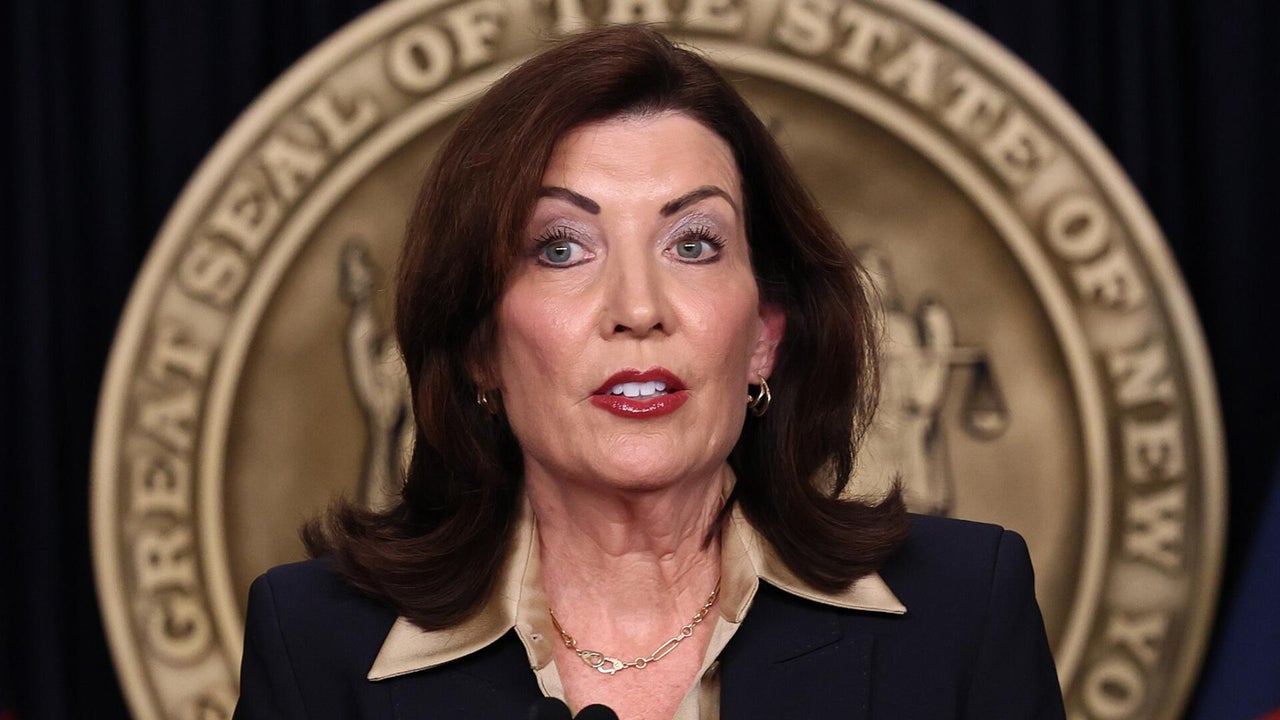
Hochul, facing her own reelection pressures in a high-tax state environment, has shown no signs of yielding. In public statements and private communications reported by aides, she reiterated her opposition to both new income taxes on the rich and any property tax increase that could accelerate out-migration or economic strain. “I don’t support a property tax increase on New Yorkers and I’m not wavering,” Hochul told reporters shortly after the mayor’s announcement. She emphasized that the state had already provided $1.5 billion in additional aid to the city, and suggested other avenues—such as spending restraint or unspecified efficiencies—should be exhausted before resorting to broad-based levies.
The mayor’s frustration has been evident in subsequent public appearances and statements, where he has warned that without Albany’s cooperation, “everyday New Yorkers will feel the financial squeeze” through higher housing costs, potential rent increases passed on by landlords, and reduced services if deeper cuts become necessary. Critics within and outside his administration have questioned whether Mamdani, a first-term mayor who rose from the State Assembly on a democratic socialist platform, possesses the leverage to force Hochul’s hand. Some Democratic allies in the Legislature have expressed private doubts about reviving wealth-tax proposals amid economic uncertainty, while Republicans have seized on the property tax threat as evidence of fiscal mismanagement under progressive leadership.
The city’s budget dynamics add complexity. Mamdani inherited what his team described as a $12 billion structural deficit exacerbated by chronic underfunding in areas like shelter costs, special education, and public assistance. His preliminary plan incorporates agency savings, reserve draws—including $980 million from the rainy day fund—and optimistic revenue projections, yet still leaves a multi-year gap. Budget watchdogs, including the Citizens Budget Commission and Comptroller’s office, have flagged concerns over the math, noting that expenditure growth outpaces revenue forecasts and that reliance on one-time reserves could erode long-term fiscal stability.
Hochul’s resistance reflects broader political calculations. As a moderate Democrat in a party increasingly tugged leftward by figures like Mamdani, she has prioritized business-friendly policies to stem population and corporate flight. A property tax hike, which would require City Council approval but no direct state permission for rate adjustments in certain categories, would hit a wide swath of voters—including suburban-style homeowners in the outer boroughs—potentially complicating her statewide ambitions.
Mamdani’s supporters, including grassroots groups and progressive lawmakers, have mobilized in Albany and city streets to pressure the governor, framing the impasse as a test of whether New York will prioritize equity or protect the affluent. Yet the mayor’s options remain limited: New York City lacks unilateral authority to enact new income or corporate taxes without state enabling legislation, a longstanding structural constraint that has frustrated generations of mayors.
As negotiations drag into spring 2026, the episode underscores the fragile balance of power between the nation’s largest city and its state capital. With the final adopted budget due by July 1, both sides face mounting pressure to find common ground—whether through compromise on spending cuts, targeted aid, or a scaled-back tax measure—or risk a divisive showdown that could define Mamdani’s early tenure and Hochul’s reelection narrative. For now, the mayor’s bold agenda appears stalled at the Hudson River’s edge, testing whether progressive promises can survive the realities of divided government.