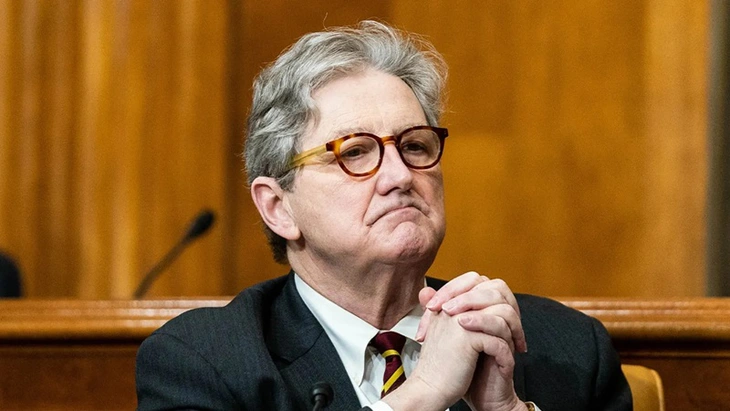
In a tense exchange before the Senate Judiciary Committee, Senator John Kennedy, Republican of Louisiana, sharply questioned Attorney General Pam Bondi about the Department of Justice’s handling of Jeffrey Epstein-related files and broader allegations of institutional reticence surrounding the late financier’s activities. The hearing, part of ongoing oversight into federal law enforcement practices, veered into explosive territory as Kennedy invoked claims that Epstein was “the greatest blackmailer ever,” a phrase drawn from recent public statements by Commerce Secretary Howard Lutnick.
Kennedy pressed Bondi on why the Justice Department appeared reluctant to pursue leads suggesting Epstein operated a sophisticated blackmail operation targeting prominent figures. Citing Lutnick’s description of Epstein—made in a podcast appearance—as someone who “blackmailed people” and amassed wealth through leverage obtained via hidden recordings in locations like massage rooms, Kennedy demanded clarification on the department’s review of such assertions. Bondi responded that she had seen clips of the interview but not the full transcript, and emphasized that existing Justice Department memos from the prior administration concluded there was no credible evidence of widespread blackmail involving high-profile individuals.

The confrontation highlighted lingering frustrations over the slow release of Epstein-related materials. Under the Epstein Files Transparency Act, signed into law last year, the department has been required to disclose millions of pages, photographs, and videos. Bondi acknowledged that roughly half of the estimated six million documents had been turned over, attributing delays to redactions for victim privacy and claims of duplication in remaining files. Kennedy challenged this, noting the presence of victim statements and other potentially non-duplicative records, and suggested the “strategic void” in full disclosure raised questions about selective enforcement or protection of influential associates.
Kennedy also linked the Epstein discussion to separate but parallel concerns about government surveillance of lawmakers. He referenced revelations that, during the Biden administration, Special Counsel Jack Smith’s “Arctic Frost” investigation into events surrounding January 6, 2021, led to administrative subpoenas for phone records of eight sitting U.S. senators—predominantly Republicans—without apparent judicial warrants in some instances. Telecom companies, including AT&T and Verizon, reportedly complied, prompting accusations of overreach and potential civil liability for failing to challenge the requests more vigorously. Kennedy mocked the process, asking hypothetically whether such records could be obtained casually, and suggested FBI involvement in executing those subpoenas might carry liability.
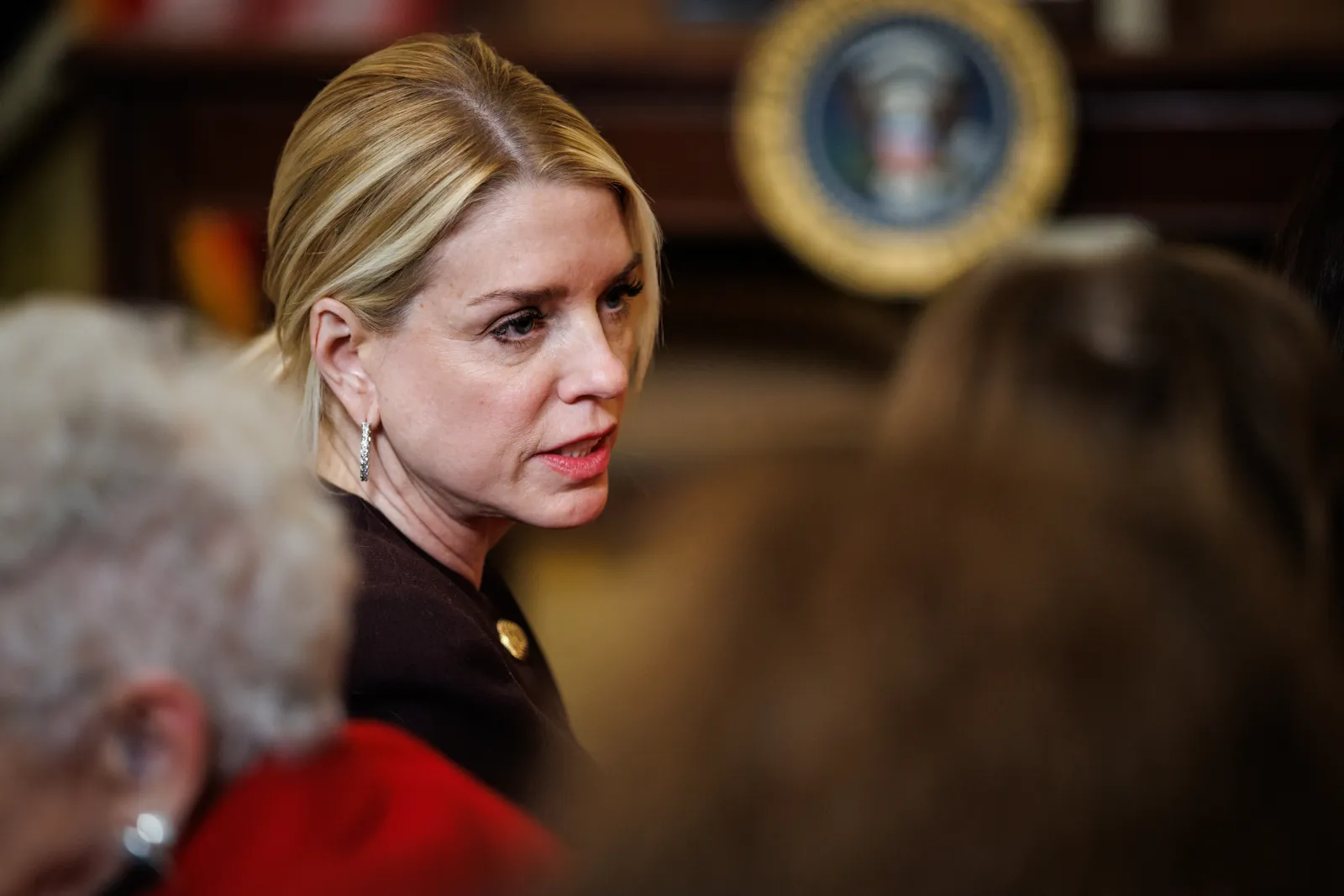
Bondi defended the department’s actions under the current administration, stating that recent leadership, including FBI Director Kash Patel and Deputy Director Dan Bongino, had prioritized transparency and collaboration. She declined to discuss specifics of ongoing or prior investigations, citing standard protocols, but reiterated that no evidence supported claims of Epstein trafficking victims to a network of powerful elites for blackmail purposes. FBI assessments, she noted, found no credible information corroborating such widespread operations beyond Epstein’s documented crimes.
Legal experts following the hearing observed that Kennedy’s line of questioning reflects a broader Republican push to reexamine Epstein’s legacy through the lens of potential elite complicity, contrasting with prior Justice Department findings under Merrick Garland that downplayed blackmail elements. Critics of the department argue the “strategic silence”—a term circulating in conservative circles—stems from institutional caution or protection of connected figures, while supporters maintain that exhaustive reviews have yielded no basis for expansive conspiracy theories.
The episode underscores the enduring political volatility of the Epstein case, more than a decade after his 2019 death in federal custody. With midterm elections approaching and congressional probes intensifying, the hearing illustrated deepening partisan divides over accountability, privacy rights, and the boundaries of federal investigative power. Bondi committed to continued releases of Epstein materials, though she offered no firm timeline for the remaining documents.
Kennedy concluded his remarks by urging a more aggressive posture: if Epstein indeed represented a blackmail empire, he argued, the failure to scrutinize every avenue risked perpetuating injustice for victims and eroding public trust in federal institutions.