WASHINGTON, D.C. — A significant shift in global trade dynamics may be underway as Malaysia moves to distance itself from a previously negotiated trade arrangement with the United States, following a controversial legal ruling that has upended the structure of U.S. tariff policy.
At the center of the issue is a decision by the Supreme Court of the United States, which found that certain emergency tariffs imposed under Donald Trump were unconstitutional. The ruling has forced a recalibration of U.S. trade measures, replacing a system of country-specific tariff arrangements with a more uniform structure.
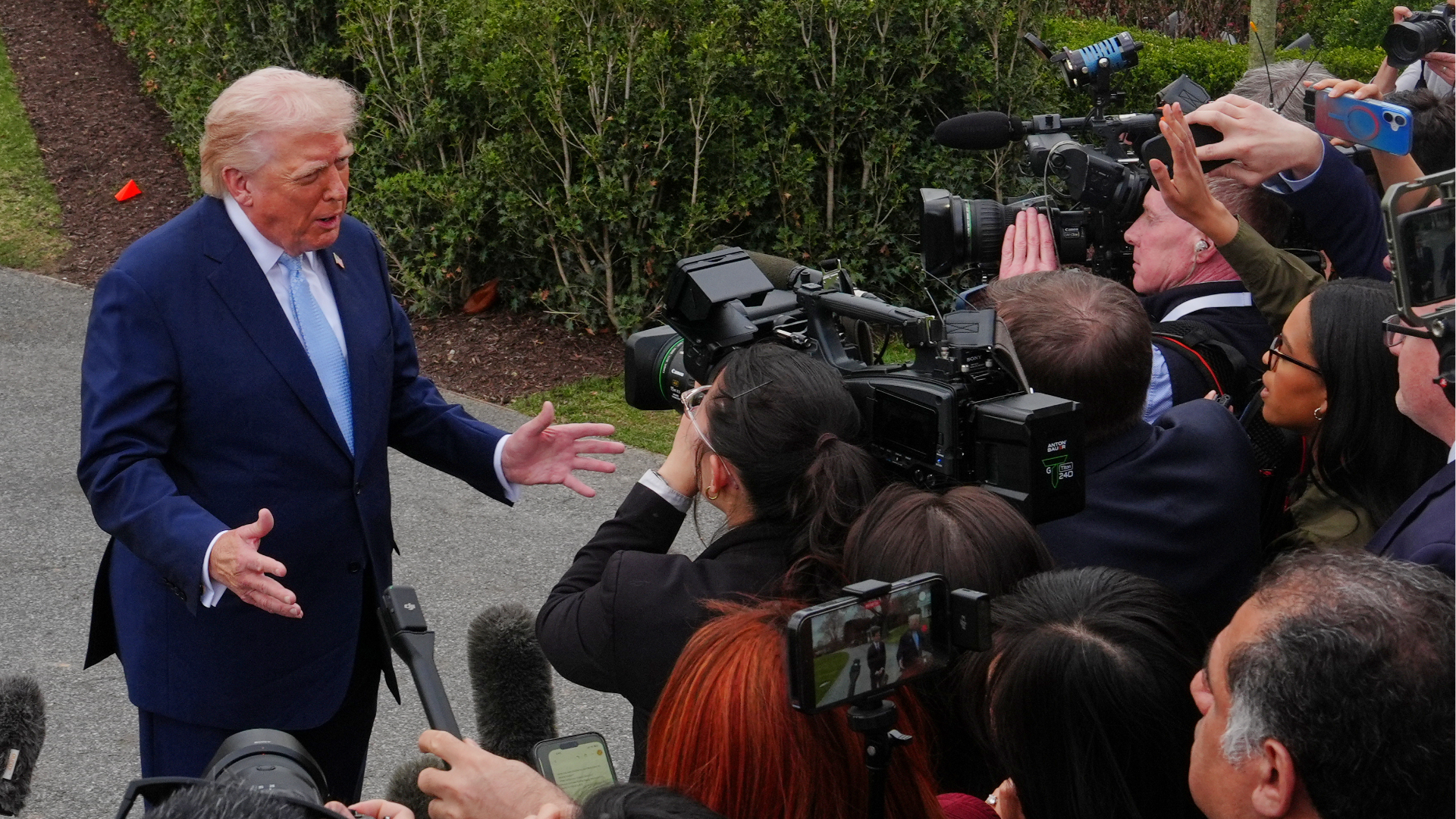
Previously, countries such as Malaysia had entered into negotiations with the United States that involved accepting elevated tariff rates—reportedly in the range of 15 to 20 percent—in exchange for strategic trade concessions and preferential positioning. These agreements were widely seen as part of a broader effort by the Trump administration to restructure global trade relationships through bilateral leverage.
However, in the wake of the court’s ruling, the United States has shifted toward a standardized tariff model, applying a flat rate—reported to be around 10 percent—across multiple trading partners. This change has effectively eliminated the relative advantages that certain countries had secured through earlier negotiations.
For Malaysia, the implications were immediate. Officials reportedly concluded that the original agreement no longer offered meaningful benefits under the revised tariff framework. As a result, the country has moved to treat the deal as effectively void, stepping back from commitments that were negotiated under now-defunct conditions.
While Malaysian authorities have not framed the move as a dramatic “withdrawal,” analysts say the practical effect is the same: a disengagement from a bilateral arrangement that no longer aligns with the country’s economic interests.
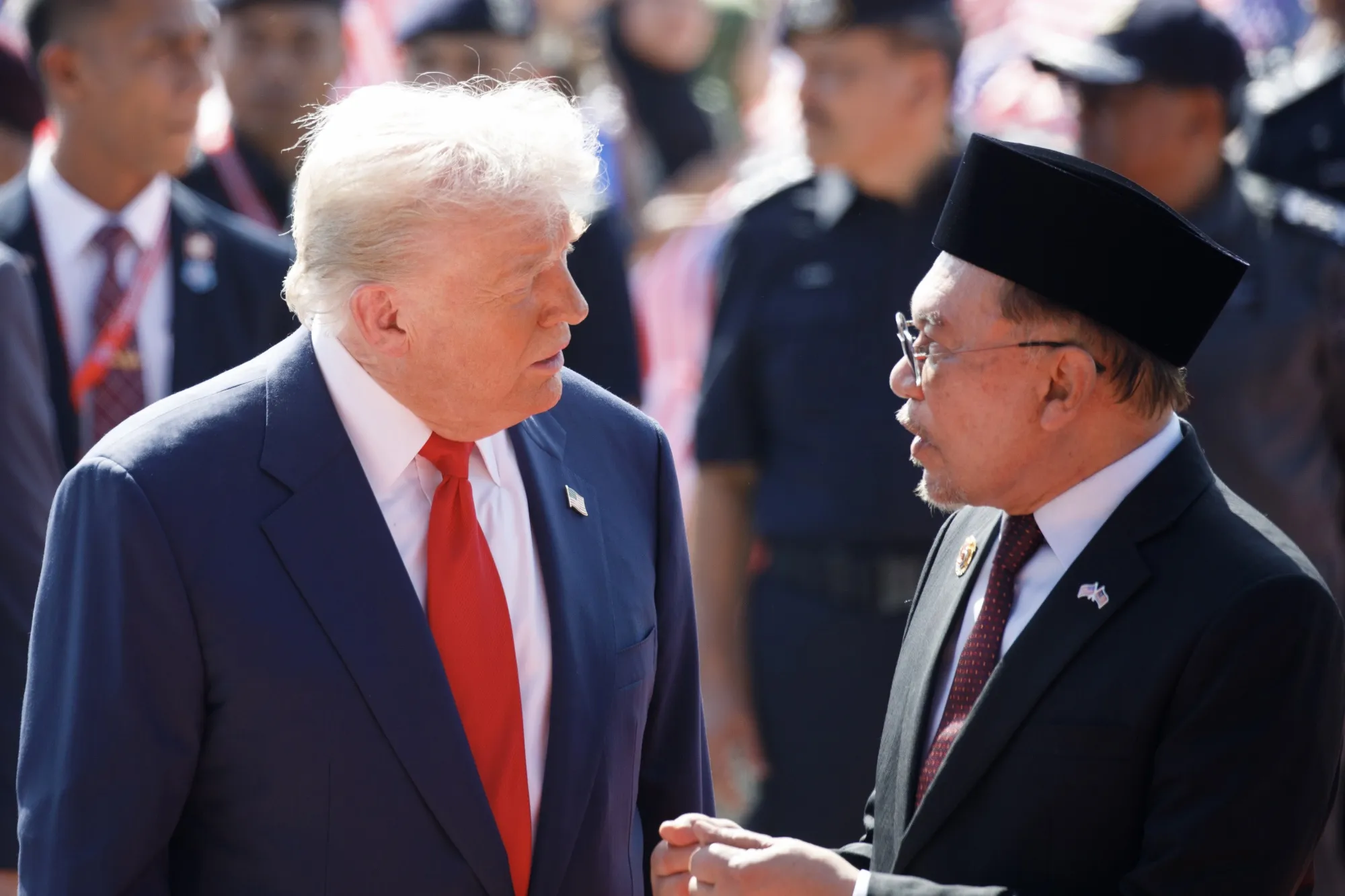
The ripple effects are already being felt across the international stage. Other major economies—including India, the European Union, Japan, and South Korea—are now reportedly reassessing their own trade strategies with the United States. Some are delaying negotiations, while others are seeking clarification on how future agreements will be structured under the new legal constraints.
“The core issue here is predictability,” said one international trade expert. “When the legal foundation of tariff policy changes this dramatically, it introduces uncertainty into every agreement that was built on top of it.”
Compounding the situation are ongoing trade investigations initiated by the United States into various foreign industries and practices. Notably, some of these probes target countries that had previously entered into cooperative trade arrangements with Washington. Critics argue that such actions send mixed signals, potentially undermining trust at a time when clarity is most needed.
From the U.S. perspective, officials maintain that enforcement actions and investigations are separate from broader trade agreements and are necessary to protect domestic industries. However, international partners may view the overlap differently, particularly in light of recent legal and policy shifts.
The broader concern among analysts is that the United States may be losing a degree of negotiating leverage that had previously defined its trade strategy. Under the earlier system, the ability to impose or lift tariffs on a country-by-country basis created incentives for tailored agreements. With a flat tariff structure now in place, that leverage is significantly reduced.
For countries like Malaysia, the calculation has become more straightforward. Without preferential terms to justify higher costs, the rationale for maintaining certain agreements diminishes. In this context, stepping away from prior commitments can be seen less as a political statement and more as a pragmatic economic decision.
Still, the long-term implications remain uncertain. Some experts believe the shift could encourage a more standardized and transparent global trade environment, reducing the complexity of bilateral negotiations. Others warn that it may weaken the United States’ ability to secure strategic concessions in future deals.
“This is a turning point,” said another policy analyst. “We’re seeing a transition from a highly customized trade framework to something more uniform—but potentially less flexible.”
As for what comes next, much will depend on how the United States adapts its trade strategy in response to the court’s ruling. Whether it seeks new mechanisms to regain leverage or embraces a more multilateral approach could shape the trajectory of global trade for years to come.
For now, Malaysia’s decision stands as an early indicator of how countries may respond in this evolving landscape. What was once a carefully negotiated agreement has, in effect, been overtaken by legal and structural changes—highlighting the delicate balance between law, policy, and international economic relations.
The key shift is this: global trade partners are no longer just negotiating with U.S. policymakers—they are also navigating the constraints imposed by U.S. legal institutions. And in that environment, certainty may prove to be the most valuable commodity of all.