A new legal development has sent shockwaves through Washington as former FBI Director James Comey is reportedly facing a subpoena tied to a wide-ranging “grand conspiracy” investigation. The case, which targets former officials involved in probing Donald Trump, is raising serious questions about both its purpose and legality.
According to reports, the subpoena was issued last week and relates to Comey’s role in drafting the January 2017 intelligence community assessment on Russian election interference. That report concluded that Russia favored Trump during the 2016 election — a finding that has long been a source of political tension.
The investigation is reportedly based in Florida and centers on claims that officials from the administration of Barack Obama may have participated in a broader effort to undermine Trump. However, many legal experts and analysts have described the theory as highly questionable and lacking solid evidence.
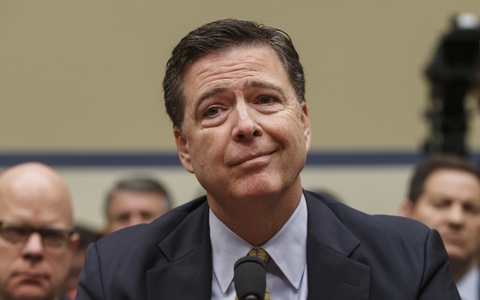
Substantively, the case has raised eyebrows because Comey’s past actions during the 2016 election were often seen as damaging to Trump’s opponent, Hillary Clinton. His public statements and decisions at the time have been widely debated, making the current allegations appear contradictory to some observers.
Adding to the complexity, previous investigations into the same period — including those led by Special Counsel John Durham and the Justice Department’s Inspector General — found no evidence of intentional misconduct by Comey or other officials. These earlier findings are now being revisited in light of the new probe.
Legal experts have also raised serious procedural concerns. Under typical Department of Justice practices, it is unusual to subpoena an individual who may already be a target in a related investigation. Such a move could conflict with established DOJ guidelines and raise constitutional questions, including the right against self-incrimination.
There are also logistical questions surrounding the case. Critics point to the decision to base the investigation in Florida, suggesting it may have been chosen for strategic reasons rather than jurisdictional necessity. Additionally, the events in question date back to 2016, potentially placing them outside the standard statute of limitations.
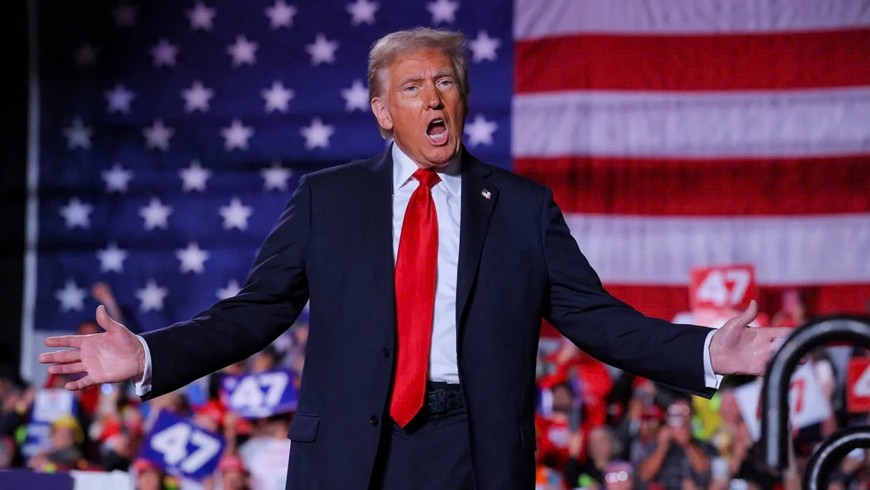
Some analysts believe the case reflects broader political motivations, noting that Trump has repeatedly expressed a desire to hold former officials accountable for investigations into his campaign. The current probe appears to combine long-standing grievances with renewed legal efforts.
Despite the uncertainty, the subpoena has reignited debate over the balance between accountability and political retribution. Supporters argue that all officials should be subject to scrutiny, while critics warn that revisiting settled matters risks undermining trust in legal institutions.
As the situation develops, one thing is clear: the subpoena of James Comey marks a significant escalation in an already contentious chapter of American political and legal history. Whether it leads to new revelations or further controversy remains to be seen, but it has already captured national attention and sparked intense debate.