Minneapolis — The nation is grappling with a wave of grief and political controversy after a 37-year-old woman was fatally shot by an agent from U.S. Immigration and Customs Enforcement (ICE) during a federal enforcement operation in south Minneapolis earlier this week. The incident, which has sparked protests, demands for accountability, and a federal investigation, has also been the subject of unverified social media rumors linking the victim to public figures outside the immediate news context.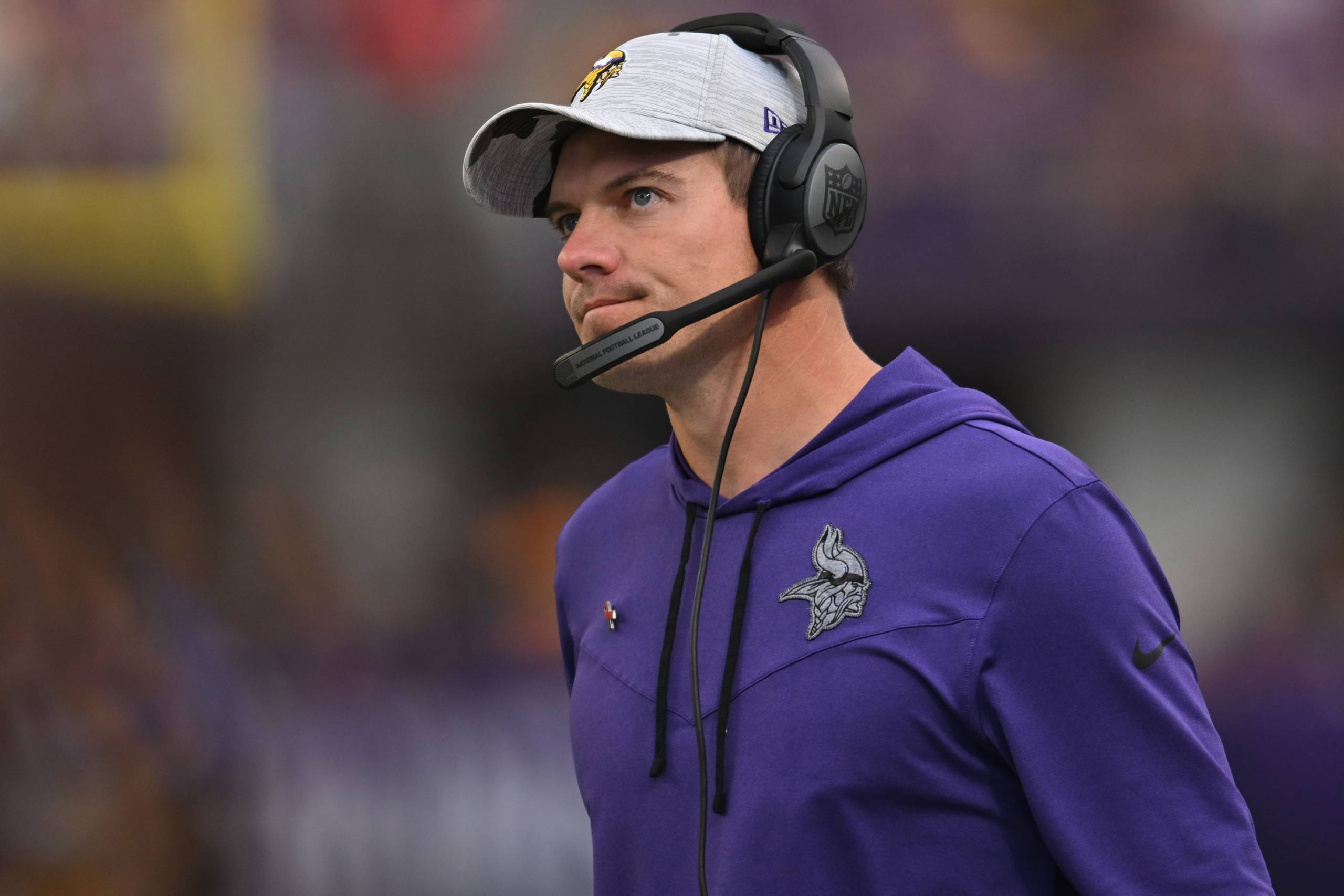
The woman, identified by local officials and her family as Renee Nicole Good, was shot and killed during an encounter with an ICE officer on a residential street. According to witnesses and city leaders, the fatal shot occurred as Good attempted to drive away from a line of officers. Federal authorities have characterized the incident as an act of self-defense, claiming that an agent fired after Good struck or appeared poised to strike officers with her vehicle. Local officials and protesters dispute that narrative, saying the circumstances remain unclear and raising concerns over the use of lethal force.
Good, a 37-year-old mother of three, had recently moved to Minneapolis with her wife and young son. Friends and family describe her as a compassionate, creative, and kind person who was deeply committed to her children and her community. Her wife, Becca Good, released a heartfelt statement describing Renee as someone who “loved fiercely, cared for her neighbors, and believed deeply in community and peace.” Becca emphasized that they had only intended to support neighbors during the federal presence in the area, carrying whistles to protest what they saw as an overreach of authority.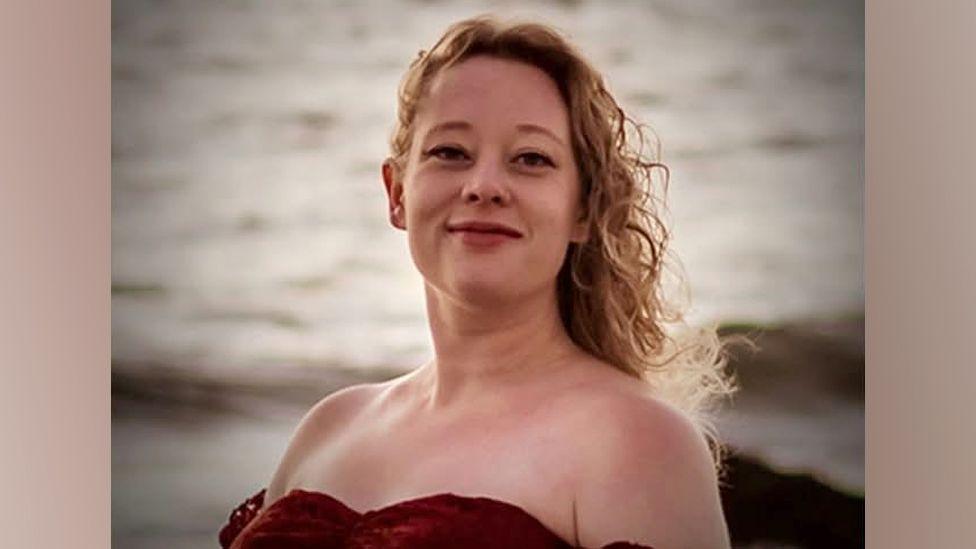
Eyewitness video from the scene showed multiple officers approaching Good’s vehicle before shots were fired. Witnesses report that emergency medical personnel were initially blocked from reaching Good after she was shot, a development that has further inflamed public outrage. Local officials have demanded greater transparency and an independent investigation into both the shooting and the emergency response.
The Minneapolis City Council and the mayor have publicly challenged the federal account of events, calling the shooting “reckless” and urging that ICE operations be halted pending a thorough review. Federal authorities, including the Department of Homeland Security, insist the agent acted within policy guidelines and that he fired to protect himself and fellow officers.
Adding to the tension, the FBI has taken over the investigation, limiting the Minnesota Bureau of Criminal Apprehension’s access to evidence and interviews. This move has drawn criticism from local officials who argue that state authorities should remain deeply involved in the process.
In the midst of these developments, social media and some online outlets have circulated claims that NFL coach Kevin O’Connell is related to the victim and that he and his family will pay for funeral expenses. There is no credible reporting or verified evidence from major news outlets or official statements supporting these assertions. As of this writing, no mainstream news organization or the coach’s representatives have confirmed any personal or familial connection between Good and Kevin O’Connell. Therefore, such claims should be treated as unverified and potentially misleading.
Nationally, the Minneapolis shooting has reignited broader debates around federal law enforcement, immigration policy, and use of force protocols. Civil rights advocates argue that the incident highlights the dangers of militarized policing tactics, especially in residential neighborhoods, while supporters of federal enforcement maintain that agents must be able to act decisively when confronted with potential threats.
In Minneapolis, community members have organized vigils and protests, calling for justice and accountability. Demonstrators have also voiced concerns about the presence of federal agents in their city, especially given its painful history with police violence. Some residents have called for ICE to be removed from Minneapolis entirely, citing deep distrust of the agency’s actions.
Backlash to the shooting has also extended to political arenas, with leaders on both sides of the aisle weighing in. Some state officials demand more oversight of federal operations on local soil, while federal leaders defend the actions of ICE and emphasize the complexity of law enforcement duties.
As the investigation continues and conflicting narratives unfold, the tragic death of Renee Nicole Good remains at the center of a national conversation about power, accountability, and the human cost of law enforcement decisions. Minnesotans and observers across the country will be watching closely as more facts emerge.