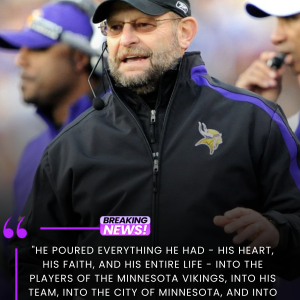
Minnesota Vikings head coach Kevin O’Connell addressed the media Sunday after a gut-wrenching 19–17 loss to the Chicago Bears — but what he said left the press room in stunned silence, hinting at deeper tensions and doubts that have been simmering beneath the surface for weeks.

A Heartbreaking Finish in Minneapolis
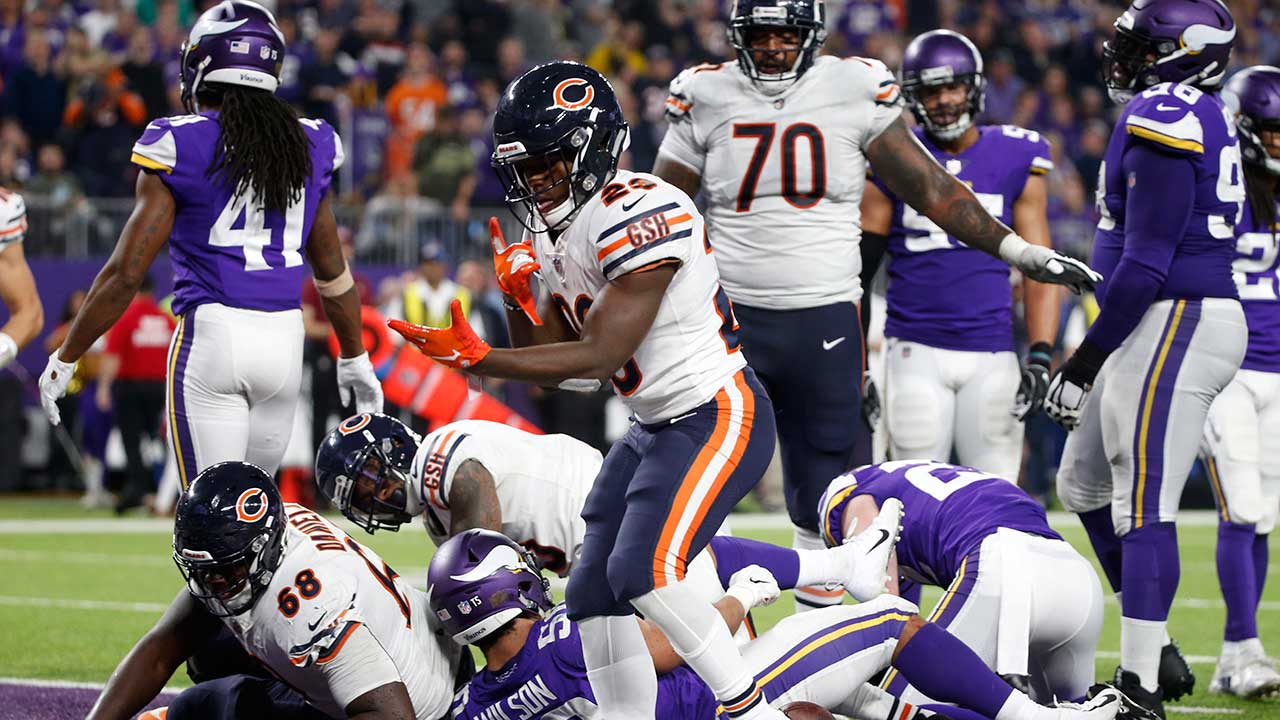
The Vikings appeared ready to complete a dramatic fourth-quarter comeback. Trailing 16–3 entering the final quarter, they mounted a furious rally. A 43-yard punt return set up a 16-yard rushing touchdown, and quarterback J.J. McCarthy later engineered a 10-play, 85-yard drive. With only 50 seconds remaining, McCarthy connected with Jordan Addison for a go-ahead touchdown, putting Minnesota ahead 17–16.
But the joy was fleeting. On the ensuing kickoff, Chicago’s returner ripped off a 56-yard gain, flipping field position and giving their kicker a chance to win it — which he did with a 48-yard field goal as time expired. The Vikings’ late rally had collapsed in a matter of seconds, leaving players, coaches, and fans reeling.
O’Connell’s Stark Admission
In his postgame comments, O’Connell was unflinchingly honest, pointing to mistakes in all three phases of the game. “I think there’s a lot of things, whether that field goal goes through at the end or not, for us to become the team we want to be, we’ve got to work towards those things in all three phases,” he said.

However, O’Connell didn’t stop at execution errors. He revealed a sobering self-reflection about his own leadership. According to him, the defeat exposed more than just missed assignments — it highlighted an underlying issue about team readiness and accountability. He admitted he needed to coach better and ensure his team fully embraced its identity, even when the game swings against them. His words carried the weight of a coach who feels personally responsible for the collapse.
Even more striking was his acknowledgment of tension many had sensed but few publicly admitted. O’Connell suggested that the Vikings haven’t fully internalized their blueprint. The late comeback felt valiant, but it lacked the consistency and discipline needed to secure victory.
The Pressure of “What-Ifs”
For a team now sitting at 4–6, O’Connell’s message resonated beyond postgame rhetoric. Every misstep is magnified, and every mistake feels like it could define the rest of the season. His candor raises difficult questions: Is this a coach “outcoaching himself”? Are the Vikings chasing flashes of brilliance instead of building a sustainable foundation?
While growing pains are expected for any NFL squad, O’Connell’s acknowledgment suggests he sees this moment as pivotal — not just for the season, but for how his leadership will be evaluated. The combination of a blown lead, special teams lapses, and defensive miscues underscores the fragile balance the Vikings must navigate in the coming weeks.

Turning Point or Warning Sign?
By publicly owning his shortcomings, O’Connell may be trying to reset the narrative. He challenged his players to take responsibility for mistakes, but he also challenged himself to deliver clarity, conviction, and composure. This is more than avoiding another blown lead; it is about proving the Vikings can perform under pressure, not just scramble to respond.
O’Connell’s message resonated beyond strategy, touching on identity, accountability, and trust. Sunday’s loss wasn’t simply a collapse. It may very well mark a turning point — a moment to define whether the Vikings rise stronger or continue to stumble under pressure. Fans, analysts, and players alike will be watching closely as Minnesota seeks to regroup, recover, and redefine its path forward.
The Vikings now face the critical task of internal reflection and adjustment. With seven games remaining in the season, every decision, every play, and every leadership choice will matter. O’Connell’s candid remarks may serve as the spark the team needs — or a stark warning that without unity and discipline, late-game heartbreaks could become the norm.