When the Franchise Holds Its Breath: Jordan Love’s Injury and the Moment That Could Redefine Green Bay’s Season
The final minutes of the 16–22 loss to the Chicago Bears did more than seal a painful defeat, because they introduced a silence that felt heavier than the score itself.
Jordan Love went down late, and the stadium atmosphere shifted instantly from frustration to fear, as everyone realized the result might matter less than what followed next.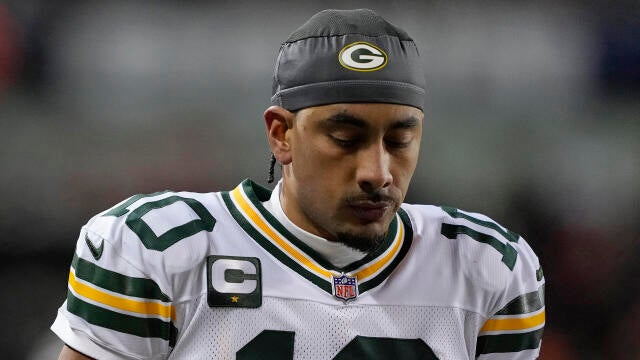
The injury looked serious from the first replay, not because of dramatics, but because of how quickly medical staff surrounded Love without hesitation.
There was no confusion, no waiting, and no attempt to casually walk it off, only urgency that told its own unsettling story.
For a franchise built on quarterback continuity, moments like this echo louder than any loss, cutting directly into Green Bay’s collective memory and anxiety.
Head coach Matt LaFleur did not attempt to soften the blow afterward, choosing honesty over reassurance with a blunt admission that the situation “doesn’t look good.”
Those words spread instantly, amplifying concern across social media and sports media, where speculation thrives whenever clarity is delayed.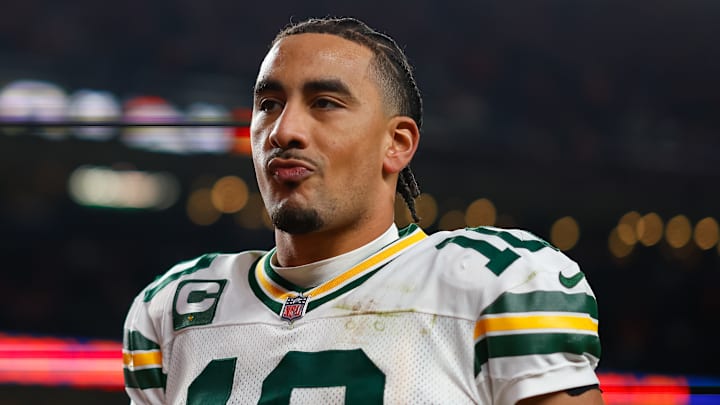
LaFleur’s tone mattered as much as the message, because coaches rarely allow fear to leak publicly unless they believe fans deserve transparency.
As the season enters a critical stretch, Love’s injury arrives at the worst possible time, when momentum, confidence, and rhythm are already fragile.
Green Bay is not simply awaiting medical updates, but confronting the possibility that its season identity may need to change abruptly.
Love has not just been a quarterback this year, but a symbol of transition, trust, and organizational belief after years of uncertainty.
His presence represented stability in progress, not perfection, but enough promise to justify patience and long-term commitment.
That is why this injury feels different, heavier, and more threatening than a standard week-to-week concern.
The Packers are expected to proceed with maximum caution, understanding that rushing answers could risk far more than a single game.
Further medical evaluation will determine the true severity, but until then, uncertainty dominates every conversation around the team.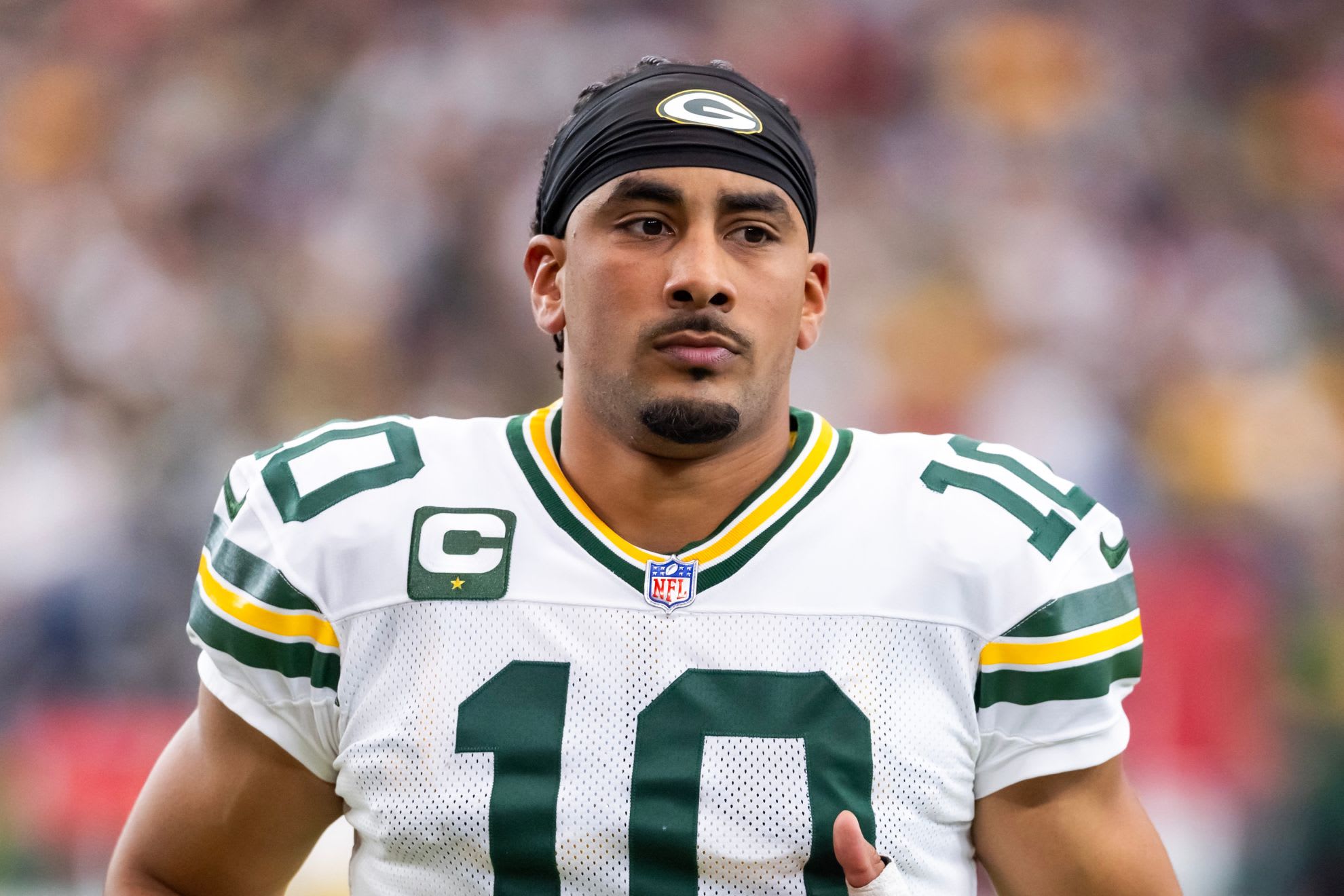
Uncertainty is dangerous in the NFL, because it invites noise, opinion, and panic before facts can catch up.
Fans immediately began debating scenarios, timelines, and contingency plans, each theory reflecting deeper fears about where this season is heading.
Some fear a season-altering outcome, while others cling to optimism, hoping early reactions exaggerate what testing may later clarify.
Both sides share the same core anxiety, because the stakes extend far beyond a single injury report.
Jordan Love’s health influences play-calling, roster confidence, locker room psychology, and the long-term narrative surrounding Green Bay’s rebuild.
The Bears loss already stung, but this injury threatens to reframe it as a turning point rather than a setback.
When quarterbacks go down, teams often discover uncomfortable truths about preparation, depth, and belief.
Green Bay now faces that examination under a spotlight that never dims, especially with divisional pressure intensifying.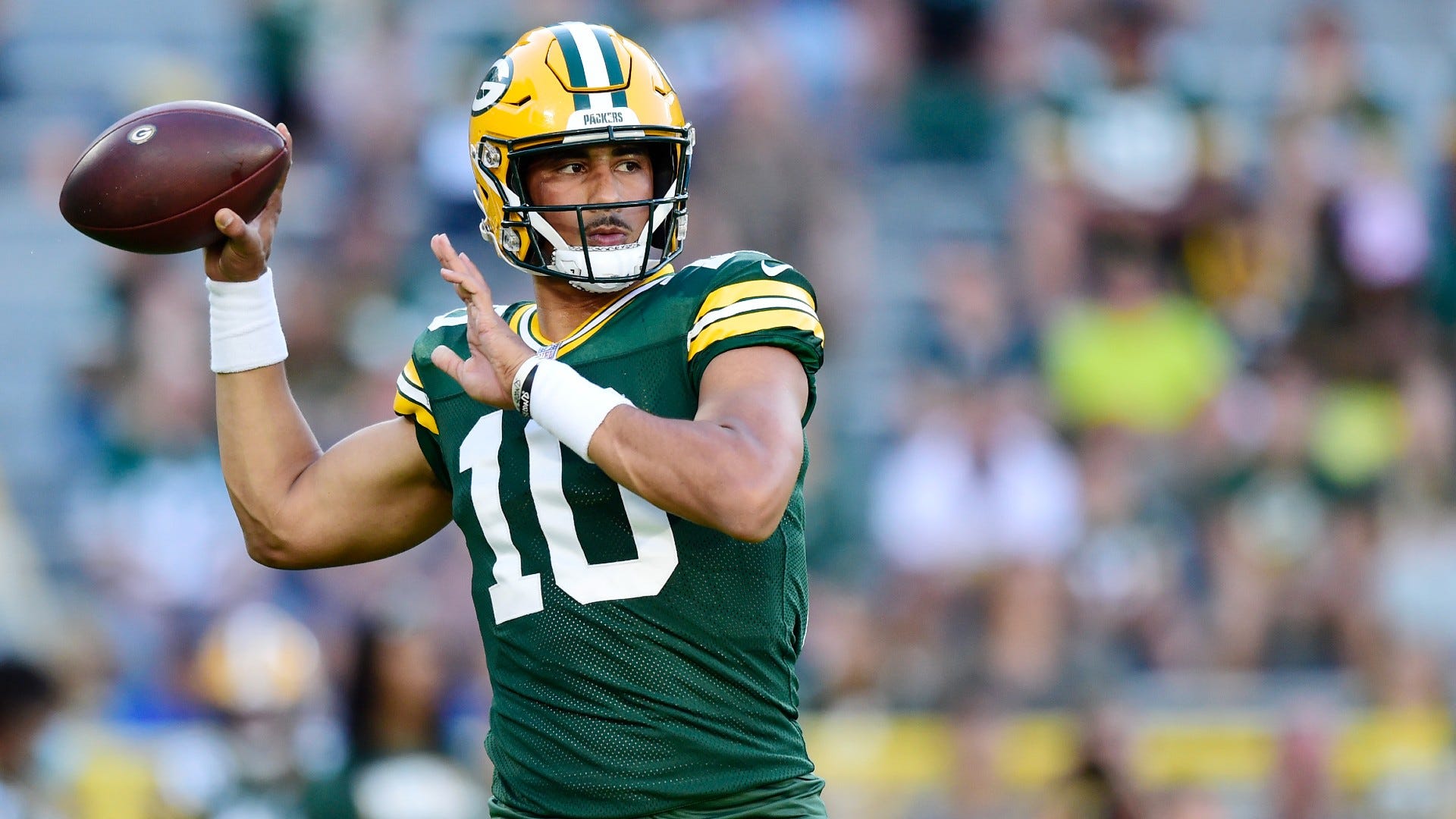
Medical staff acted immediately on the field, a response that suggested caution rather than routine evaluation.
Those visual cues linger longer than official statements, shaping perception before facts are even available.
The Packers organization understands this, which is why communication moving forward will be scrutinized as closely as test results.
Fans want honesty, but they also crave hope, a difficult balance in moments defined by medical uncertainty.
Love’s status could reshape weekly expectations, altering how opponents prepare and how Green Bay protects itself strategically.
If the injury proves severe, the ripple effects will touch every unit, from offensive rhythm to defensive pressure tolerance.
Even special teams feel the consequences when offensive stability disappears, an often overlooked reality in injury discussions.
Matt LaFleur now faces one of the most difficult coaching challenges, leading with calm while privately preparing for unfavorable outcomes.
His words already signaled seriousness, which only intensified debate rather than silencing it.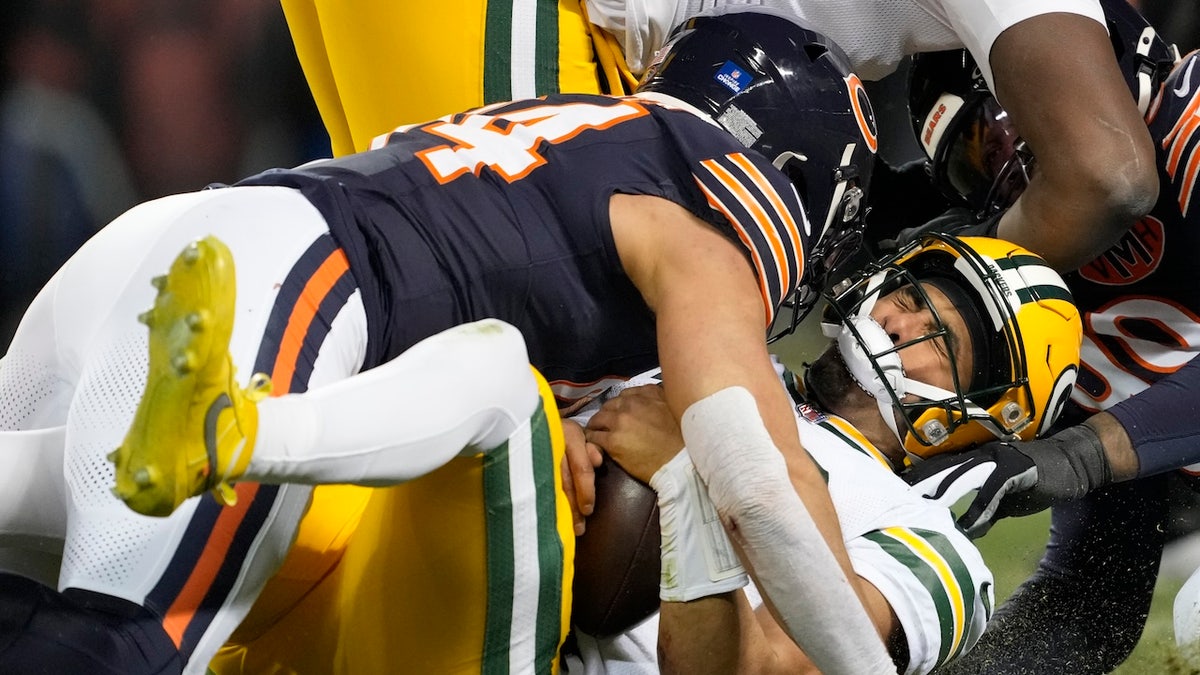
Some fans praised the honesty, valuing transparency over empty optimism.
Others criticized the bluntness, fearing it invited unnecessary panic before official clarity.
This division reflects a broader tension in modern sports culture, where information spreads faster than understanding.
Social media amplified the injury within minutes, turning concern into trending speculation across platforms.
Every angle, slow-motion clip, and screenshot became evidence in arguments about severity and responsibility.
Such analysis often ignores the human element, the reality that injuries are unpredictable and rarely neat.
Jordan Love’s journey with Green Bay has already carried weight, making this moment emotionally heavier for supporters.
He is not a temporary solution, but a quarterback many fans have invested belief in.
That belief now feels fragile, not because of performance, but because availability defines opportunity in this league.
The Packers’ approach of caution suggests they understand the long-term stakes involved.
Short-term wins mean little if long-term trust is sacrificed through impatience.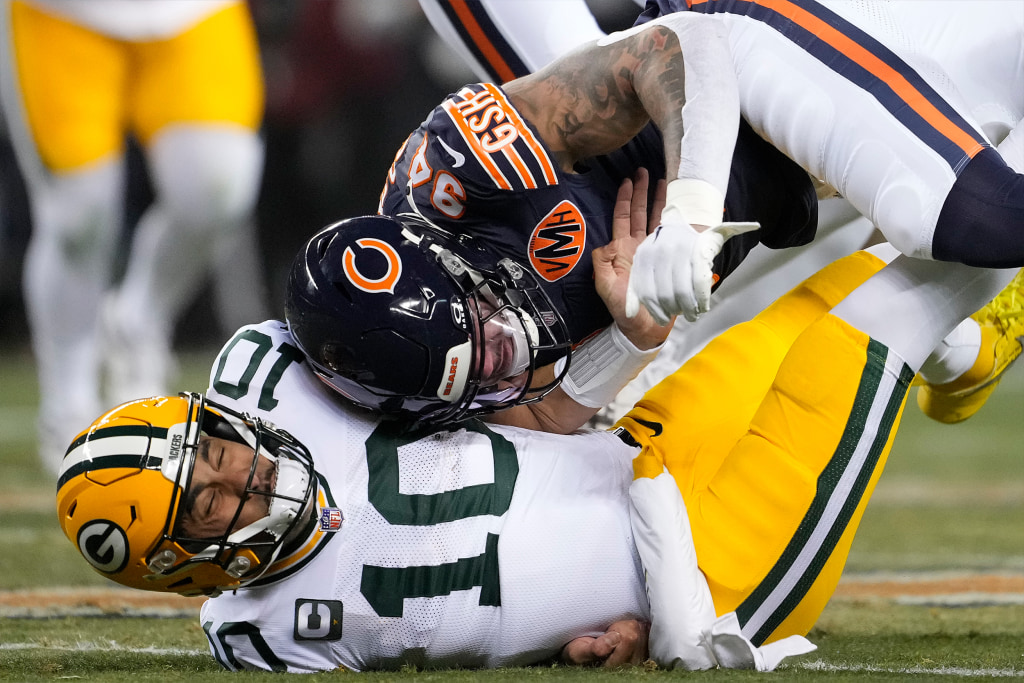
Yet patience is difficult when seasons are short and windows feel constantly threatened.
This tension fuels the debate now raging among fans and analysts alike.
Is Green Bay prepared if Love misses significant time, or has optimism outpaced practical planning?
That question grows louder with every hour without definitive answers.
The locker room also feels this uncertainty, even if players publicly project focus and resilience.
Quarterbacks anchor emotional stability, and their absence forces leadership to redistribute responsibility quickly.
Veterans must speak louder, coaches must simplify, and mistakes become less forgivable.
Love’s injury therefore represents more than health, it represents structural stress.
As evaluations continue, the Packers remain suspended between fear and hope.
Clearer answers are expected only after further testing, extending a waiting period that feels endless to invested fans.
In that waiting, narratives form, opinions harden, and emotions spike.
This is how seasons quietly pivot, not with dramatic announcements, but with unanswered questions.
Jordan Love’s injury has already altered Green Bay’s emotional landscape, regardless of eventual diagnosis.
Whether it proves minor or severe, the moment has exposed how thin the margin truly is.
For now, the franchise holds its breath, aware that the next update could redefine everything.
Because in the NFL, seasons do not always end with losses.
Sometimes, they change forever in a single, silent moment on the field.