Minneapolis, In a stunning twist that has sent shockwaves through the NFL, the Minnesota Vikings are reportedly finalizing a blockbuster trade to bring back veteran quarterback Kirk Cousins from the Atlanta Falcons. This audacious move, dubbed a “homecoming” by fans and analysts alike, comes amid growing concerns over rookie sensation J.J. McCarthy’s rocky start to his professional career. With the Vikings languishing at 4-6 this season after a stellar 14-3 campaign in 2024 under Sam Darnold, the front office is betting big on Cousins’ experience to salvage their playoff hopes and open a Super Bowl window.
The deal, which involves absorbing the remaining years of Cousins’ massive four-year, $180 million contract signed in March 2024, positions the 37-year-old as the immediate starter, effectively benching McCarthy and relegating him to a developmental backup role. Sources close to the negotiations indicate that the trade compensation is minimal—likely a mid-round draft pick or two—given Atlanta’s eagerness to offload Cousins’ hefty salary cap hit amid their own quarterback carousel.
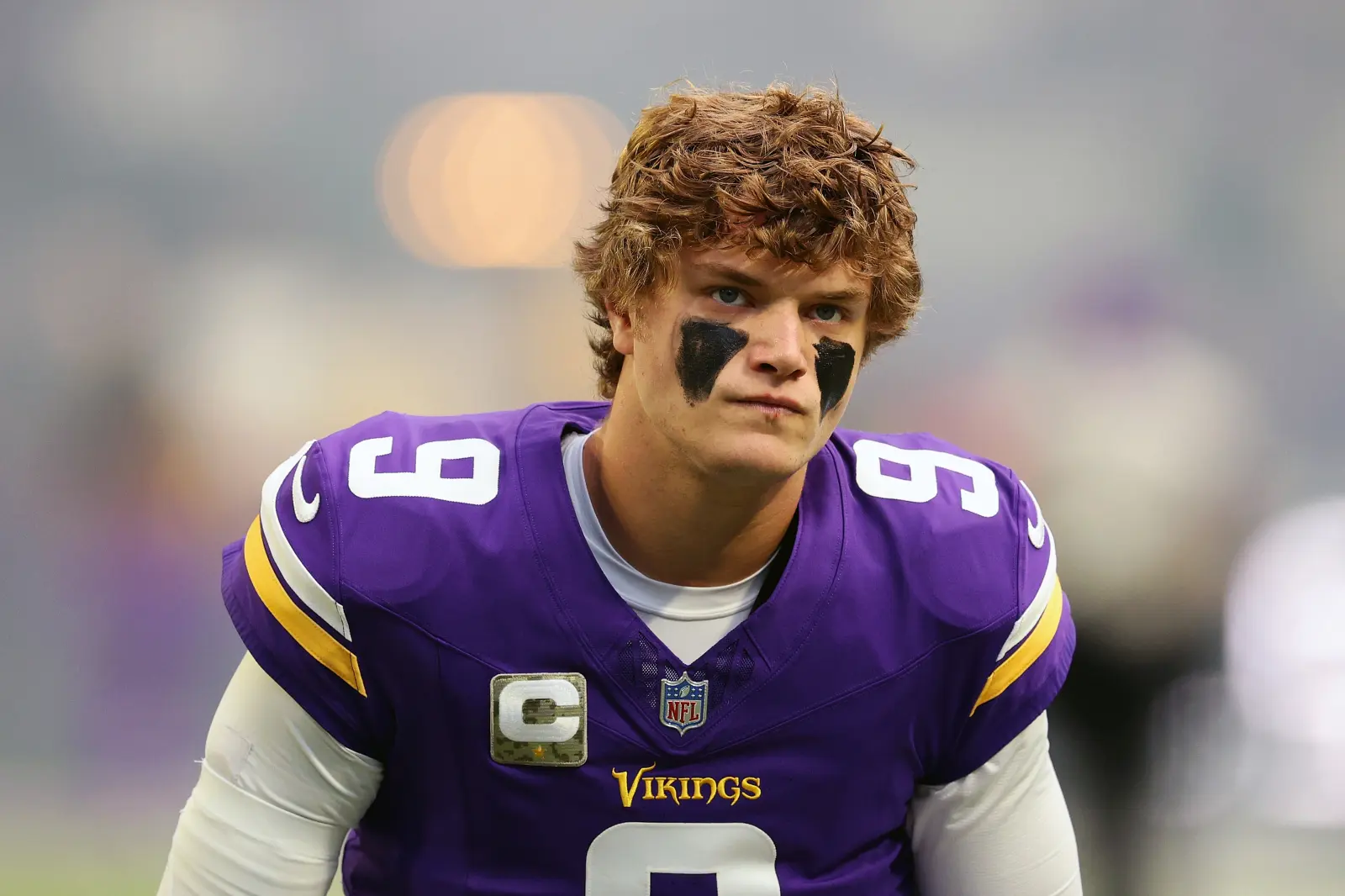
McCarthy’s Turbulent Rookie Journey
J.J. McCarthy, the No. 10 overall pick in the 2024 NFL Draft, entered the league with sky-high expectations as the heir apparent to Minnesota’s quarterback throne. However, his debut has been anything but smooth. Sidelined for the entire 2024 season due to a severe knee injury, McCarthy also battled an ankle issue early in 2025, limiting his on-field opportunities.
When healthy, the results have been underwhelming. Through limited action this year, McCarthy has thrown for just 842 yards, with six touchdowns against eight interceptions. His completion percentage sits at a dismal 52.9%, and his passer rating of 61.7 ranks among the league’s worst for starting quarterbacks. The nadir came in a recent 19-17 loss to the Chicago Bears, where he went 16-for-32 for 150 yards, one touchdown, and two interceptions—highlighting issues with accuracy, decision-making, and poise under pressure.
While it’s premature to label McCarthy a bust—after all, he’s still in the infancy of his career—the Vikings’ brass appears unwilling to wait. “We’re in win-now mode,” a team insider told reporters. “With weapons like Justin Jefferson and a stout defense, we can’t afford to let this season slip away while a young QB finds his footing.”
The Cousins Conundrum: From Atlanta Bench to Minnesota Savior?
Kirk Cousins’ return to Minnesota feels like a full-circle moment. From 2018 to 2023, he was the steady hand guiding the Vikings, earning three Pro Bowl nods and compiling a 50-37-1 record as a starter. His pinpoint accuracy and veteran savvy made him a fan favorite, even if playoff success remained elusive. Cousins departed for Atlanta in free agency, lured by the promise of a fresh start and that lucrative $180 million deal.
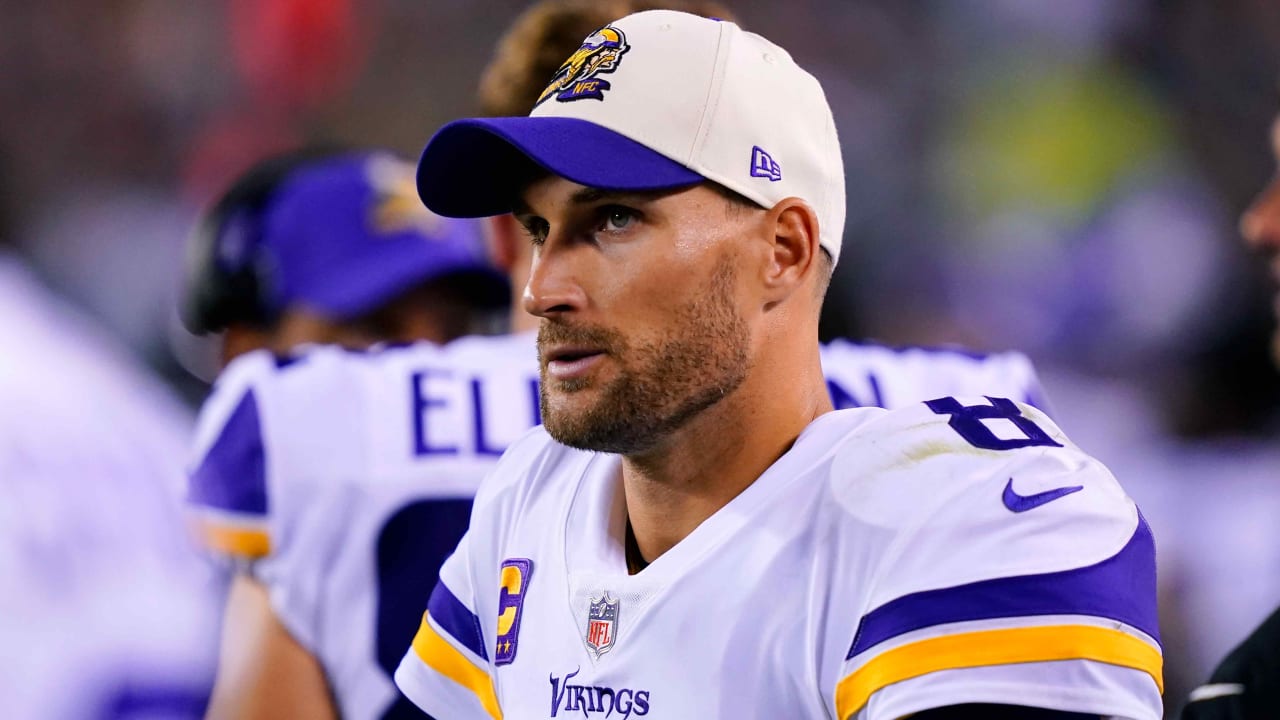
But things soured quickly in the Dirty South. Benched in the second half of the 2024 season amid inconsistent play and the emergence of rookie Michael Penix Jr., Cousins found himself on the sidelines. Now, with Penix on injured reserve, Cousins has been thrust back into the starting lineup for the Falcons—but Atlanta’s long-term plans clearly lie elsewhere. The team, saddled with his contract through 2027, is reportedly thrilled at the prospect of cap relief and draft assets in exchange for the aging signal-caller.
Bleacher Report’s Alex Kay, in a recent column, floated this exact scenario as a lifeline for the Vikings. “While Cousins is under contract with the Falcons through the 2027 season, he’s been languishing on the bench and should be available for the right mix of draft compensation and cap relief,” Kay wrote. “He won’t be the long-term solution to Minnesota’s quarterback troubles, but he could crack open a Super Bowl window for the club while McCarthy spends another season developing and preparing to take back over in 2027.”
Kay’s prediction has proven prophetic, as the Vikings pounce on the opportunity to reunite with their former star.
Trade Details and Strategic Implications
The trade’s low cost is a boon for Minnesota. Atlanta, desperate to shed salary, is accepting a conditional third-round pick in 2026 (potentially upgrading to a second if Cousins leads the Vikings to the playoffs) and perhaps a late-round selection in 2027. The Vikings, with ample cap space thanks to prudent offseason moves, can absorb the deal without major roster upheaval.
For Cousins, this is redemption. At 37, he’s no spring chicken, but his arm strength and football IQ remain elite. In limited action this year, he’s shown flashes of his old self, and a return to familiar surroundings—complete with All-Pro receiver Justin Jefferson and a revamped offensive line—could reignite his career.
Critics, however, question the logic. Is trading for a quarterback on the wrong side of 35 truly “bold,” or merely a desperate patch? Detractors point to Cousins’ injury history (including a torn Achilles in 2023) and his 1-4 playoff record. Yet, supporters argue it’s a calculated risk: Stabilize the position now, mentor McCarthy, and reassess in a year or two.
Fan Reaction and What’s Next
Vikings Nation is buzzing. Social media erupted with memes of Cousins in purple and gold, chants of “You like that!” echoing from the past. Season ticket holders are optimistic, viewing this as a signal that ownership is all-in on contending.
As the ink dries on the deal, all eyes turn to Week 12, where Cousins could make his triumphant return against the Green Bay Packers—a poetic rivalry matchup. If he delivers, Minnesota’s 4-6 record could quickly become ancient history.
In the NFL, bold moves define legacies. For the Vikings, bringing back Kirk Cousins isn’t just a trade; it’s a statement. The homecoming king is back—ready to lead the charge toward glory.