The Green Bay Packers have received heartbreaking news as former tight end Rich McGeorge passed away on Saturday at the age of 77. Over nine seasons in Green Bay, McGeorge became one of the rare bright spots on offense during an era marked by too many losing years, and at the time of his retirement, he held the franchise record for
most career receptions by a tight end.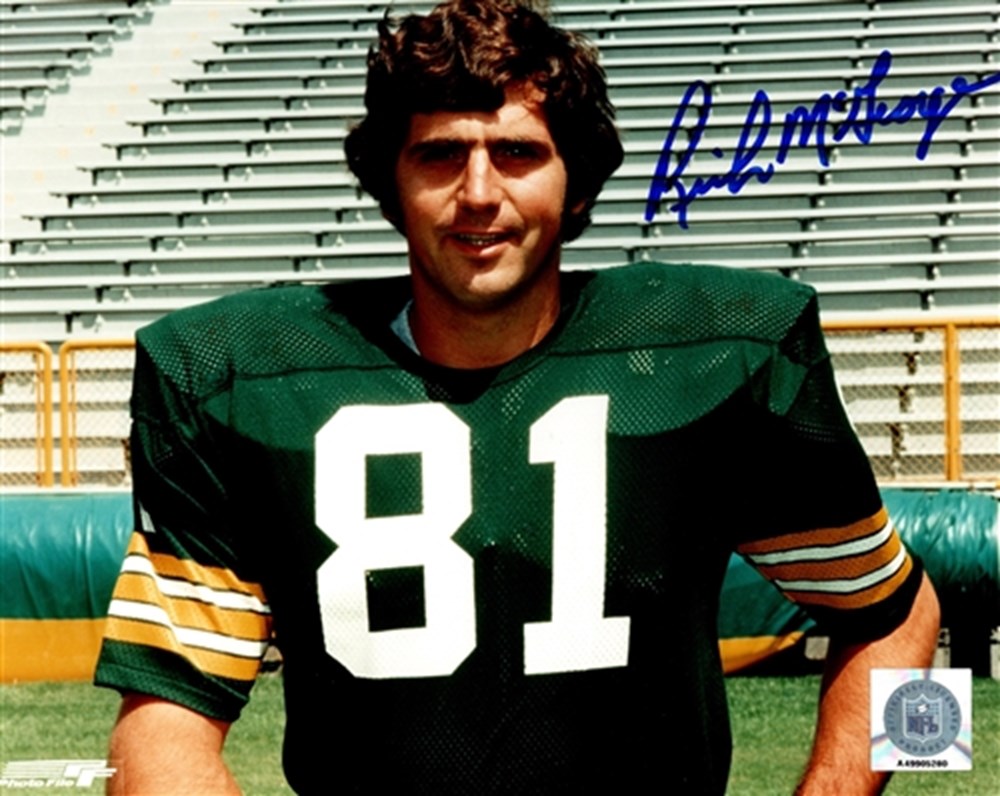
McGeorge was selected by the Packers with the 16th overall pick in the 1970 NFL Draft out of Elon College, where he became such an iconic figure that the school inducted him into its Hall of Fame and later honored him with a retired number.
In Green Bay, McGeorge began to make his mark in 1971 when he became the starting tight end, and after returning from a 1972 injury, he elevated his play to a level that earned him the title of
Packers Offensive Player of the Year in 1973—an honor that captured his consistency, toughness, and importance in the offense of that time.
One of McGeorge’s most unforgettable moments came in
1975, when he caught a last-minute touchdown pass from quarterback John Hadl to seal a stunning 19–17 upset over the Cowboys in Dallas. It also stood as the first coaching win of Bart Starr’s tenure as Packers head coach—an instant piece of Packers history that helped cement McGeorge’s place in Green Bay lore.
McGeorge retired after the 1978 season with 175 receptions, 2,370 yards, and 15 touchdowns
. While those numbers may not jump off the page by today’s standards, the context matters: the NFL was far more run-heavy in that era, and the Packers rarely had elite quarterback play, limiting opportunities for tight ends in the passing game. Even so, McGeorge built his reputation as a
strong blocker, a determined runner after the catch, and a remarkably durable presence who was almost always available when his team needed him.
After his playing days, McGeorge remained in football through coaching, working at the college level and across multiple leagues, including a notable stretch with the
Miami Dolphins. And although he has still not been officially inducted into the Packers Hall of Fame, many fans have long considered him an “unofficial Hall of Famer”—a symbol of professionalism, toughness, and loyalty in one of the most difficult eras the franchise ever endured.