Packers Ownership Pushes Back as NFL Faces Growing Backlash Over Streaming Costs
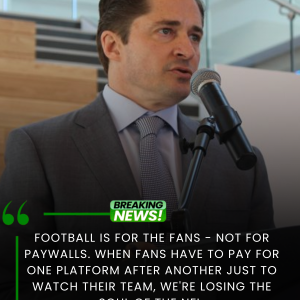
Green Bay, Wisconsin — A growing dispute over streaming access has pushed the Green Bay Packers organization into the national conversation, as team leadership publicly voices concern over rising and fragmented subscription fees that many fans must now pay to watch NFL Wild Card playoff games.

What began as widespread frustration among fans has escalated into a broader debate about accessibility, tradition, and the league’s evolving media strategy. At the center of the issue is whether the NFL’s aggressive expansion into digital streaming has unintentionally placed postseason football out of reach for a significant portion of its audience.
For Packers fans, the issue extends far beyond convenience. In Wisconsin, fandom is deeply woven into the state’s identity, connecting families and communities across generations. For decades, playoff football meant free, shared access—gathering around televisions, listening on radios, and experiencing the postseason together. That tradition, many argue, is now being eroded.
As the NFL continues to diversify its broadcasting partnerships, fans are increasingly required to subscribe to multiple platforms while navigating blackout rules and rising costs. For older fans and working-class households, the financial and technical barriers have become prohibitive.

Sources familiar with league discussions indicate that Packers ownership has expressed growing concern about the disconnect between record NFL revenues and the challenges faced by fans in smaller markets. While the league celebrates historic profits and expanding global reach, many local supporters are finding themselves unable to watch critical postseason games.
Green Bay has reportedly emerged as one of the more vocal organizations in league meetings, advocating for a model that balances revenue growth with fan accessibility. The criticism is not directed at technology itself, but at exclusion. As the NFL’s only publicly owned franchise, the Packers place particular emphasis on accessibility as a foundational principle.
Wild Card weekend has become a focal point of the backlash. Fans have taken to social media to share stories of discovering—often just days before kickoff—that their existing subscriptions were insufficient. Some scrambled to sign up for unfamiliar services, while others followed games through highlights or radio broadcasts instead of live television.
Packers leadership has reportedly warned that fans who lose access to games risk disengaging altogether, particularly younger viewers who may never form lasting emotional connections if access feels conditional on disposable income. In a league built on generational loyalty, that concern carries long-term implications.
In response to mounting pressure, league insiders say the NFL is now considering the possibility of launching a direct-to-consumer streaming platform. Early discussions suggest such a service could include select games—potentially even playoff matchups—available free to viewers. While still preliminary, the idea represents a significant shift from the league’s long-standing reliance on large-scale broadcast and streaming rights deals.

Supporters of the concept argue that accessibility strengthens loyalty, engagement, and long-term relevance. Critics caution that free streaming could disrupt existing partnerships. However, many within the league acknowledge that fan frustration over fragmented access has reached a critical point.
The controversy highlights a broader divide within the NFL between data-driven monetization strategies and the lived experience of fans. While streaming platforms offer flexibility and analytics, they have also introduced confusion and uncertainty about where games air and how much access will cost.
For Packers fans, the message is clear: loyalty should not require navigating multiple apps or absorbing unexpected fees. As Wild Card weekend approaches, questions remain unresolved, but the debate has taken on broader significance.
The NFL now faces a defining decision—continue down a path of fragmentation and rising costs, or recalibrate toward accessibility and trust. The Packers have made their stance clear: postseason football should remain a shared experience, not a gated one.
Whether the league responds with meaningful change may shape not only how games are watched, but how deeply they continue to matter to the communities that have long sustained the sport.