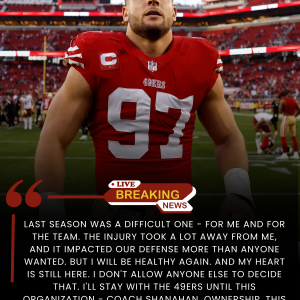
Kansas City, Missouri — In a move that could reshape the NFL’s approach to player wellness, Kansas City Chiefs owner Clark Hunt announced the launch of a pioneering mental health initiative designed to provide comprehensive support to professional football players. The announcement came during a press conference at Arrowhead Stadium, where Hunt emphasized the importance of addressing mental health challenges head-on.
“No one should ever endure what Marshawn Kneeland did,” Hunt said, referencing the former NFL star whose struggles with emotional trauma and personal crises captured national attention. “Athletes face incredible pressures — both on and off the field. It’s our responsibility as a league, and as an organization, to ensure that help is accessible, comprehensive, and destigmatized.”
The program, officially named the Chiefs Player Wellness Initiative, is designed to provide players with resources that go beyond traditional physical care. In addition to counseling and therapy services, the initiative includes life skills workshops, stress management programs, and educational resources for players and their families.
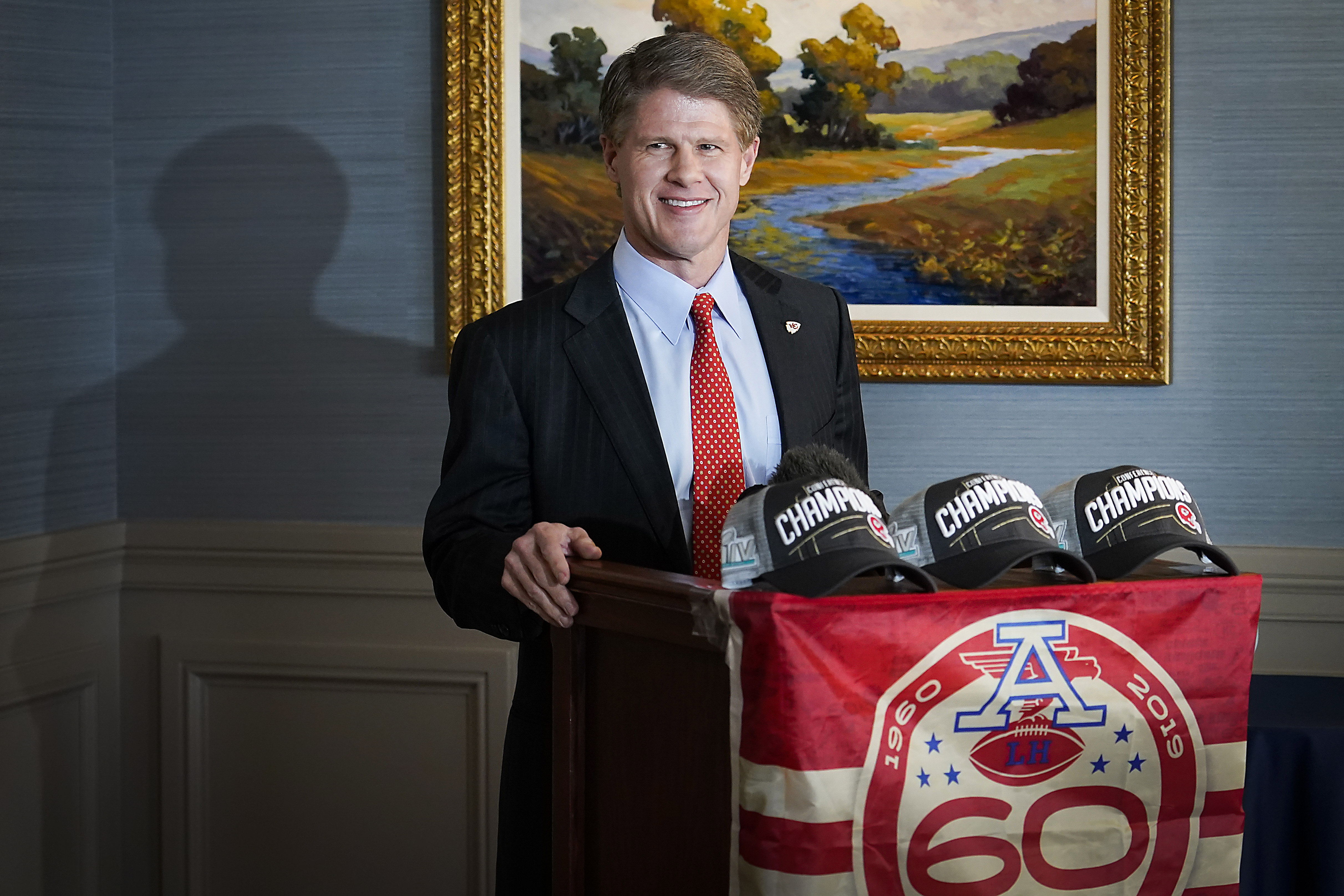
According to Hunt, the goal is twofold: first, to strengthen the mental resilience of players, and second, to cultivate a culture of trust and openness within the team environment. “Football is demanding,” Hunt continued. “The highs are exhilarating, and the lows can be devastating. We want our players to know they are never alone, and that support is always available — whether they are facing injury, personal hardship, or mental health struggles.”
The timing of the announcement is significant. NFL players are increasingly speaking out about the toll that professional football can take on mental health, including anxiety, depression, and the pressure to perform under intense scrutiny. The Chiefs’ initiative sets a new benchmark for player support, acknowledging that mental strength is as critical as physical performance.
Marshawn Kneeland’s case has become a touchstone for the NFL’s growing recognition of mental health issues. After facing personal betrayal and emotional challenges, Kneeland’s story sparked conversations across sports media about the importance of mental well-being for professional athletes. Hunt’s initiative seeks to ensure that no player has to navigate such difficulties without guidance and support.
The program will employ licensed psychologists, trauma specialists, and licensed clinical social workers, all experienced in working with high-performance athletes. In addition, the Chiefs are collaborating with academic institutions and nonprofit organizations to develop evidence-based approaches tailored to the unique stresses of football.
Players have already expressed optimism about the initiative. Chiefs linebacker Micah Parsons commented: “It’s powerful to know that the organization has your back, not just physically but mentally. Football can be intense — the pressure is real. Knowing there’s someone to talk to makes a huge difference.”
Veteran quarterback Patrick Mahomes echoed the sentiment: “We all face challenges. It’s easy to focus only on stats, wins, and losses. This program reminds us that it’s okay to take care of your mind, and that seeking help is a sign of strength, not weakness.”
Hunt also emphasized that the initiative extends beyond current players. Alumni support programs will connect former Chiefs players with resources to cope with post-career transitions, including financial stress, identity changes, and mental health challenges associated with retirement.
Media analysts have lauded the announcement as a significant step for the NFL. Sports psychologist Dr. Lauren Sterling noted: “This program recognizes the unique pressures athletes face in elite sports. Clark Hunt is setting a new standard, showing that mental health is not optional — it is central to both personal well-being and professional performance.”
The Chiefs organization plans to measure the initiative’s success through regular player feedback, anonymous surveys, and program participation rates. Hunt emphasized that transparency and adaptability are key to ensuring the initiative evolves alongside player needs.
Fans, too, have responded positively. Social media platforms were flooded with praise for the Chiefs’ commitment to their players’ mental health, with hashtags like #ChiefsCare and #MindMatters trending across Twitter and X. Many called it “a model for the entire league,” noting that mental health programs for athletes have historically lagged behind other professional sectors.
Hunt concluded the press conference by highlighting the long-term vision: “We want every player who puts on the Chiefs jersey to feel supported, empowered, and valued — not just as athletes, but as people. This initiative is a promise to them, and to the future of our team, that their mental well-being matters just as much as their performance on the field.”
With the Chiefs leading the NFC in both talent and innovation, Hunt’s initiative marks another milestone in the franchise’s commitment to excellence — not only in football but in fostering a culture that prioritizes human dignity, resilience, and holistic success.
In a league where physical injuries dominate headlines, the Chiefs Player Wellness Initiative is a bold reminder that mental health matters just as much as touchdowns, tackles, or championships. And for players like Marshawn Kneeland and countless others, it represents hope, healing, and a path forward.
As Hunt said, “We will never allow any player to suffer in silence. The Chiefs are more than a team — we are a family, and families take care of each other.”
This initiative could well set a precedent, reshaping how the NFL supports its athletes both during and after their playing careers, proving that true leadership extends far beyond the gridiron.