Brett Favre’s 2009 season with the Minnesota Vikings remains one of the most polarizing and electrifying chapters in modern NFL history, blending defiance, brilliance, betrayal narratives, and football artistry into one unforgettable campaign.
At age forty, an age when most quarterbacks are broadcasters or memories, Favre didn’t merely survive another season, he dominated defenses with a confidence that mocked time itself.
Skeptics laughed when Minnesota signed a rival legend, predicting injury, regression, or locker room chaos, yet Favre turned doubt into fuel and transformed a talented roster into a legitimate Super Bowl threat.
With 4,202 passing yards and 33 touchdowns, Favre delivered numbers that embarrassed younger quarterbacks, forcing analysts to reconsider every assumption about age, durability, and decline in professional football.
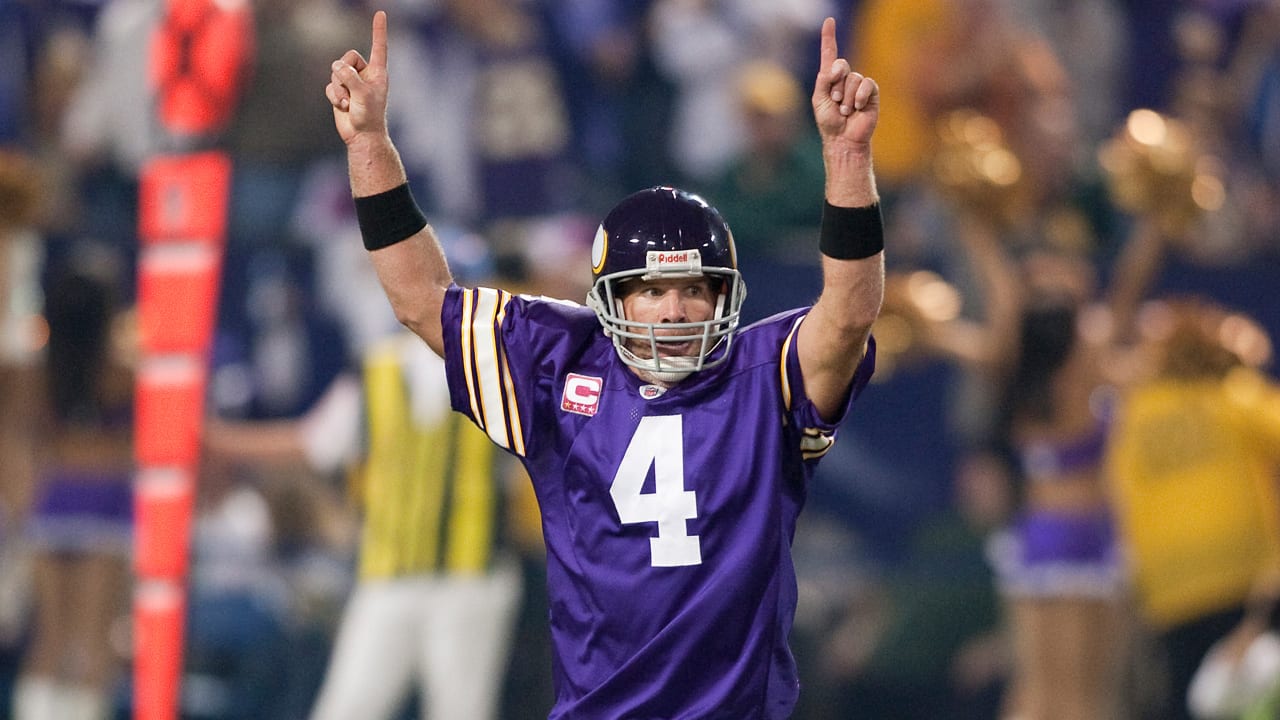
Each Sunday felt like a referendum on football orthodoxy, as Favre attacked coverages fearlessly, throwing with anticipation, rhythm, and a reckless courage rarely seen even among quarterbacks half his age.
The Vikings offense, once conservative and predictable, suddenly became aggressive, creative, and confident, because Brett Favre demanded belief through his arm, his swagger, and his refusal to play scared.
Fans across Minnesota witnessed something surreal, a Packers icon wearing purple, orchestrating comebacks and late-game drives that ignited stadiums and divided households across the Upper Midwest.
For Packers loyalists, Favre’s success in Minnesota felt like betrayal layered upon betrayal, reopening wounds that never healed and reigniting debates about loyalty, legacy, and emotional ownership of athletes.
For Vikings fans, it felt like poetic justice, finally wielding the very quarterback who tormented them for years, now leading their own franchise toward long-awaited championship glory.
Favre’s Pro Bowl selection wasn’t sentimental nostalgia, it was validation, confirmation that elite performance doesn’t always follow linear timelines or obediently decline when conventional wisdom demands it.
Week after week, Favre delivered clutch throws in critical moments, standing tall against pressure, absorbing hits, and responding with lasers into tight windows that younger quarterbacks hesitated to attempt.
His chemistry with Sidney Rice, Visanthe Shiancoe, and Percy Harvin reshaped Minnesota’s aerial identity, proving that timing, trust, and experience can overwhelm raw speed and defensive complexity.
The 2009 Vikings didn’t just win games, they captivated neutral fans, becoming must-watch television because Favre’s presence guaranteed drama, volatility, and the possibility of greatness on every snap.
Yet beneath the highlight reels lived tension, because Favre’s aggressive style flirted constantly with disaster, reminding critics that brilliance and recklessness often share the same throwing motion.
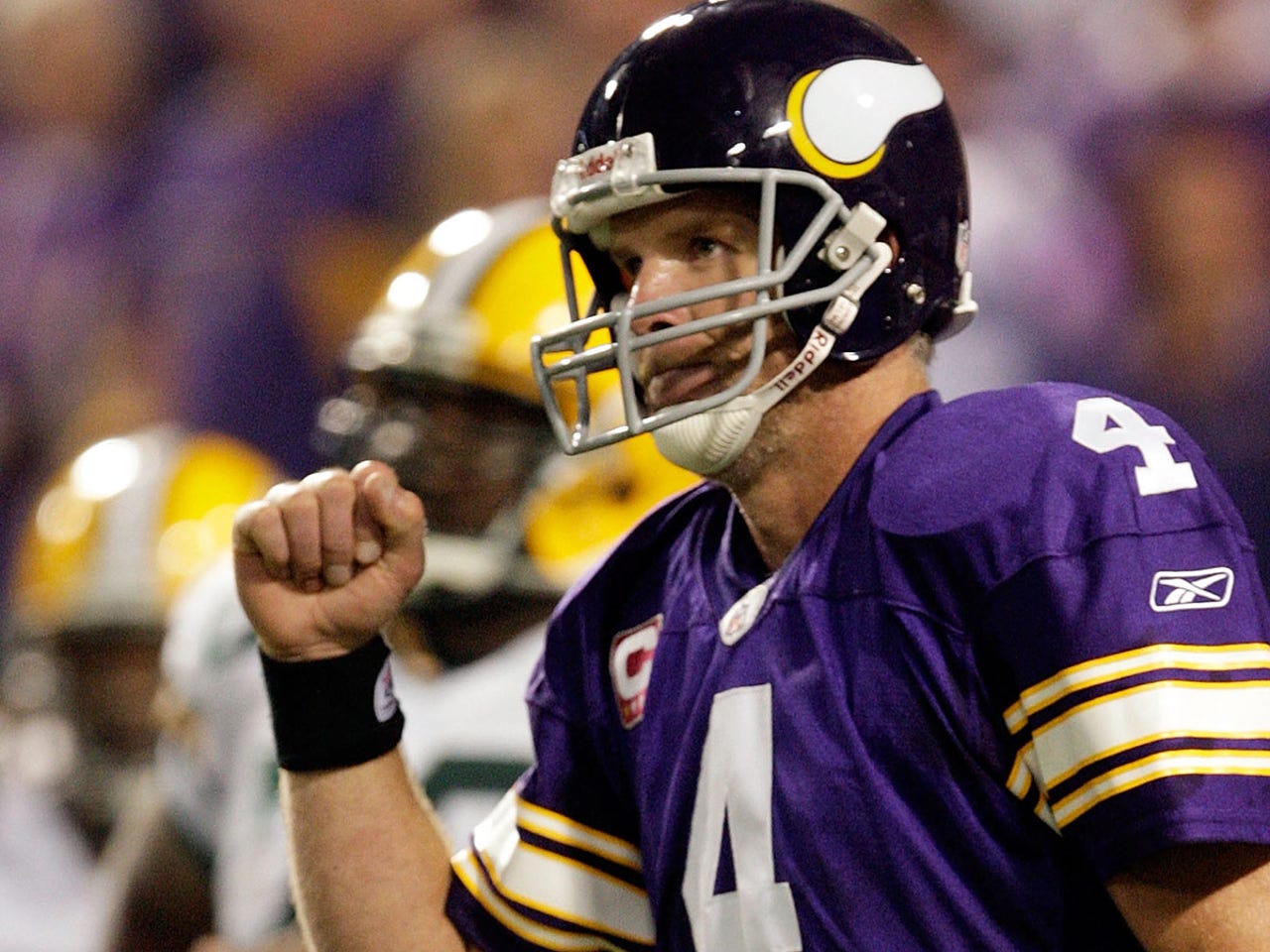
That tension climaxed in the NFC Championship Game, a night remembered equally for Favre’s excellence and the single decision that changed the season, the franchise, and countless legacies.
Favre had driven Minnesota into position, moving the offense with calm authority, reading defenses like a veteran chess master, when one ill-fated throw rewrote the narrative entirely.
The interception against New Orleans remains one of the most dissected plays in NFL history, endlessly debated as either unacceptable hubris or tragic consequence of competitive fire.
Supporters argue that Favre’s aggression defined the very reason Minnesota reached that moment, insisting that conservative caution would never have brought them so close to the Super Bowl.
Critics counter that true greatness demands restraint, claiming that Favre’s refusal to protect the ball betrayed his team at the exact moment leadership mattered most.
This argument fuels ongoing discourse, because Favre’s career itself represents that paradox, a quarterback who chased impossible throws and achieved impossible victories through sheer belief.
Leadership, in Favre’s case, wasn’t about perfection or emotional speeches, it was about audacity, about showing teammates that fear had no place in decisive moments.
At forty, Favre’s durability became symbolic, each hit survived reinforcing the myth that experience, preparation, and stubborn will can rival youth and athletic advantage.
Defensive coordinators, frustrated and exposed, admitted privately that Favre’s pre-snap intelligence dismantled disguises before routes even developed, neutralizing complex schemes through mental mastery.
The Vikings’ locker room rallied around him, because players sensed history unfolding, a fleeting opportunity to chase immortality alongside a quarterback refusing to surrender relevance.
Media narratives struggled to keep pace, oscillating between celebration and condemnation, unsure whether Favre’s renaissance represented inspiration or dangerous precedent for aging athletes.
Television ratings surged whenever Minnesota played, proving that controversy combined with excellence remains the most powerful engine in professional sports entertainment.
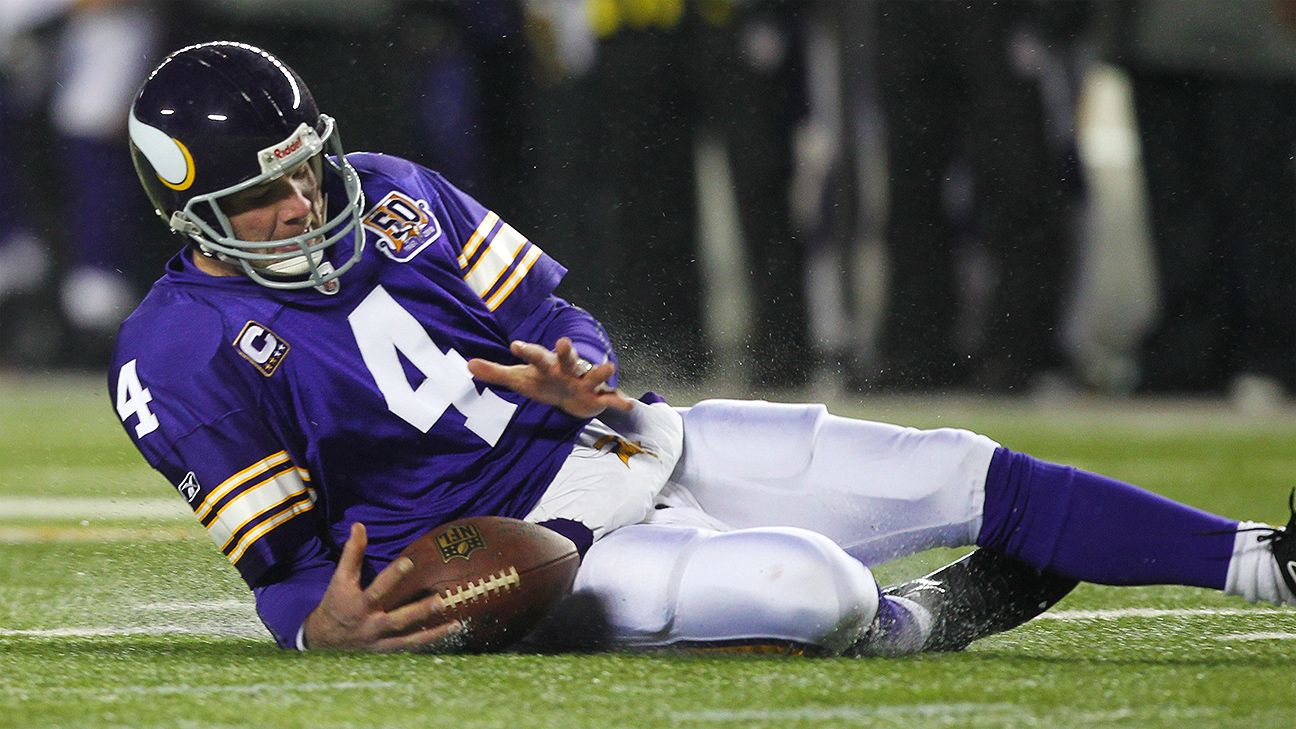
Favre’s 2009 season forced uncomfortable questions about quarterback evaluation, development timelines, and whether modern systems undervalue experience in favor of theoretical upside.
Young quarterbacks studied his film, not for mobility or arm strength, but for anticipation, deception, and the courage to throw receivers open rather than waiting for separation.
Coaches quietly reassessed practice habits, recovery routines, and mental preparation, recognizing that Favre’s longevity wasn’t accidental but obsessively cultivated.
The season also reopened ethical debates, because Favre’s cross-divisional journey challenged romantic notions of loyalty that fans project onto professional contracts.
Was Favre a mercenary chasing relevance, or a competitor seeking the purest expression of football joy wherever opportunity allowed it to survive?
Minnesota’s fanbase, long scarred by postseason heartbreak, embraced Favre as both savior and risk, knowing the ending could be glorious or devastating.
That emotional volatility amplified engagement, making every game feel consequential, every throw emotionally charged, and every outcome deeply personal.
In retrospect, the lack of a Super Bowl appearance doesn’t diminish the season’s impact, because legacy isn’t solely defined by rings but by resonance.
Favre’s 2009 campaign resonates because it shattered boundaries, proving that narrative ceilings are often illusions maintained by fear rather than evidence.
Analysts still reference that season when discussing late-career resurgence, using Favre as the benchmark against which all improbable comebacks are measured.
Social media debates reignite annually, with fans arguing whether Favre’s Vikings season surpassed some championship runs in cultural significance.
Statisticians acknowledge that efficiency, volume, and situational performance aligned in rare harmony, creating one of the most complete veteran quarterback seasons ever recorded.
Opposing defenders later admitted intimidation, not because of physical dominance, but because Favre never stopped attacking even after mistakes.
That psychological pressure altered game plans, forcing defenses into conservative shells that Minnesota exploited with precision passing and calculated aggression.
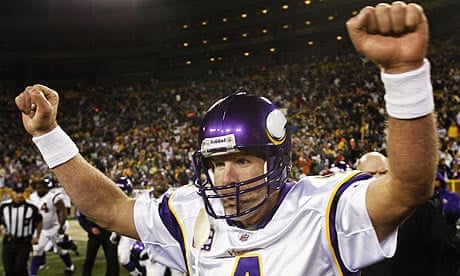
The Vikings became belief-driven, playing faster and freer, because their quarterback modeled unshakeable confidence regardless of circumstance.
Even critics concede that Favre restored relevance to a franchise often overshadowed by postseason misfortune and divisional rivals.
His presence reframed Minnesota’s identity nationally, transforming them from perennial contenders into legitimate headline makers.
The season’s mythology continues to grow, fueled by nostalgia, debate, and the human desire to believe that time can be challenged.
Favre’s performance didn’t deny aging, it confronted it directly, proving that decline isn’t uniform and greatness doesn’t obey expiration dates.
Every generation of fans discovers that season differently, through highlights, arguments, and emotional retellings passed down like football folklore.
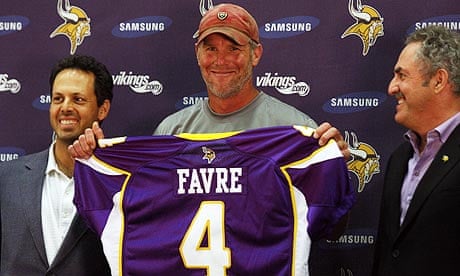
The NFC Championship loss ensures eternal debate, because unfinished stories invite imagination, speculation, and alternate histories.
What if the throw never happened, what if Minnesota advanced, what if Favre lifted the Lombardi in purple?
Those questions sustain the season’s relevance, ensuring its place in conversations far beyond box scores and standings.
Ultimately, Brett Favre’s 2009 Vikings season wasn’t about perfection, it was about defiance, daring, and refusing to fade quietly.
It stands as a reminder that sports endure because of stories like this, flawed, controversial, exhilarating, and impossible to forget.
And that is why, years later, fans still argue, share, repost, and relive every throw from that unforgettable season.