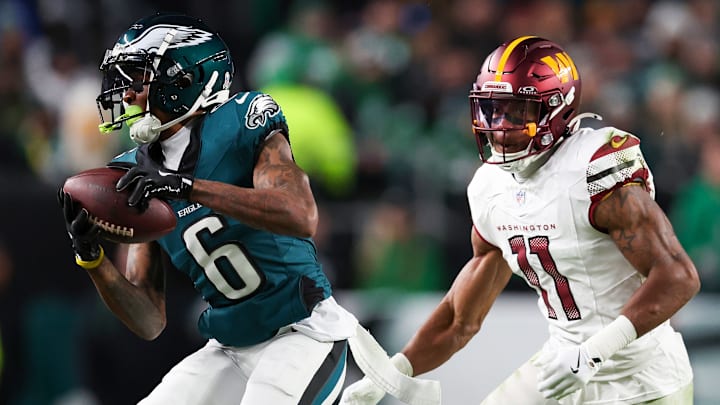
The fallout from the Philadelphia Eagles’ controversial 24–17 loss to the Washington Commanders continues to ripple across the NFL, and now the league’s highest authority has weighed in.
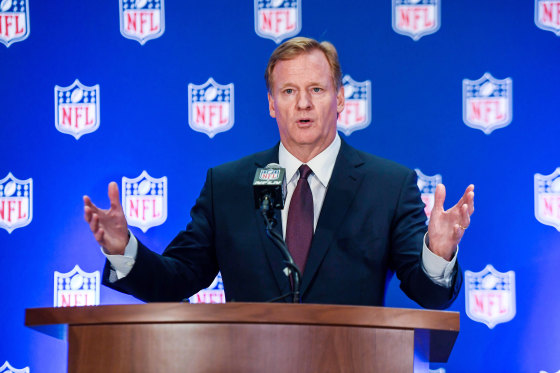
On Tuesday, NFL Commissioner Roger Goodell publicly addressed the growing backlash from fans following Sunday night’s game, responding to a wave of online outrage centered on officiating decisions, late-game penalties, and the emotional intensity that followed the final whistle. While Goodell acknowledged the frustration surrounding the outcome, he delivered a firm message condemning hostile reactions and reaffirming the league’s core priorities: player safety, competitive integrity, and respect for the game.
“The passion of our fans is one of the NFL’s greatest strengths,” Goodell said in a statement released by the league office. “But that passion must never cross into hostility, harassment, or threats directed at players, officials, or anyone involved in the game. That behavior is unacceptable and does not reflect what this league stands for.”
The statement came amid a surge of criticism across social media platforms, where Eagles fans and neutral observers alike questioned several key calls made during the game’s decisive moments. Video clips circulated widely, dissecting penalties that extended Washington drives and non-calls that appeared to halt Philadelphia momentum late in the fourth quarter.
While Goodell did not comment on specific officiating decisions, his remarks were widely interpreted as an attempt to calm tensions without directly reopening the debate over the game’s most disputed moments.
A Game That Sparked League-Wide Debate
The Eagles entered the matchup with playoff positioning on the line and left the field visibly frustrated. Players, coaches, and former Eagles legends voiced concerns in the hours following the loss, carefully choosing their words while making clear their dissatisfaction.
Several late-game sequences — including a controversial defensive holding call and a missed pass interference flag — became focal points of discussion. Analysts debated whether the officiating met the league’s standards, while fans accused the NFL of inconsistency in how rules are enforced in high-leverage situations.
The emotional response extended beyond Philadelphia. Former players, media personalities, and fans from across the league weighed in, reigniting long-standing concerns about transparency and accountability within NFL officiating.
Goodell acknowledged the intensity of the discussion but emphasized that the league conducts internal reviews of every game.
“Our officiating crews are evaluated weekly, and every call is reviewed through established processes,” Goodell said. “That work happens regardless of public reaction, and it will continue.”
Condemning Hostility While Defending the Process
At the center of Goodell’s response was a strong condemnation of hostile fan behavior that followed the game. Reports surfaced of officials being targeted online with personal attacks, while some players from both teams faced harassment on social media.
Goodell was unequivocal in his stance.
“Disagreement is part of sports,” he said. “Abuse is not. We will not tolerate threats or harassment toward officials, players, or their families.”
The commissioner also reiterated that the NFL remains committed to ensuring fair competition, particularly as the league continues to emphasize player safety and rule enforcement consistency.
“Our responsibility is to protect the integrity of the game,” Goodell said. “That means prioritizing player safety and ensuring that competition is conducted fairly, even when decisions are difficult or unpopular.”
A Tense Moment for the League
The Eagles–Commanders game has become a flashpoint in a broader conversation about officiating across the NFL this season. Several high-profile games in recent weeks have ended amid controversy, fueling fan skepticism and placing additional scrutiny on the league office.
Critics argue that the NFL has failed to adequately modernize officiating transparency, calling for expanded replay authority, clearer explanations of calls, or postgame officiating reports similar to those used in other professional leagues.
Supporters of the league counter that the speed and complexity of the game make perfection impossible, and that public attacks on officials undermine the sport’s foundation.
Goodell appeared to strike a careful balance between those viewpoints.
“We understand the desire for clarity,” he said. “We also understand that the human element is part of the game. Our job is to continuously improve while protecting those who officiate it.”

Impact on the Eagles and the Road Ahead
For the Eagles, the loss remains a painful one — not only because of the playoff implications, but because of the emotional toll it took on players and leadership.
Quarterback Jalen Hurts was visibly subdued after the game, shouldering responsibility while declining to publicly criticize the officiating. Head coach Nick Sirianni echoed a similar tone, expressing frustration without crossing the league’s strict guidelines on public comments about officials.
Inside the locker room, the focus has reportedly shifted toward regrouping and controlling what can be controlled.
“We can’t change what happened,” one team source said. “What we can change is how we respond.”
That sentiment aligns closely with Goodell’s broader message to the league.
A Message Beyond One Game
While the controversy surrounding the Eagles–Commanders matchup may eventually fade, Goodell’s comments underscore a larger issue facing the NFL: how to manage fan passion in an era where instant reactions can quickly turn toxic.
As the league pushes deeper into the season, the commissioner’s message was clear — debate is inevitable, emotion is natural, but respect remains non-negotiable.
“The NFL belongs to everyone who loves this game,” Goodell concluded. “Protecting it means holding ourselves — and each other — to a higher standard.”
For now, the scoreboard will remain unchanged. The arguments will continue. But the league’s stance has been drawn — firmly — as it navigates yet another moment where football, emotion, and accountability collide.