According to league sources, the Minnesota Vikings are expected to move on from quarterback J.J. McCarthy this offseason following a 2025 campaign derailed by injuries, durability concerns, and broader roster-building considerations. While the organization has not made a public announcement, the report signals a pivotal moment for a franchise evaluating its long-term direction at the game’s most important position.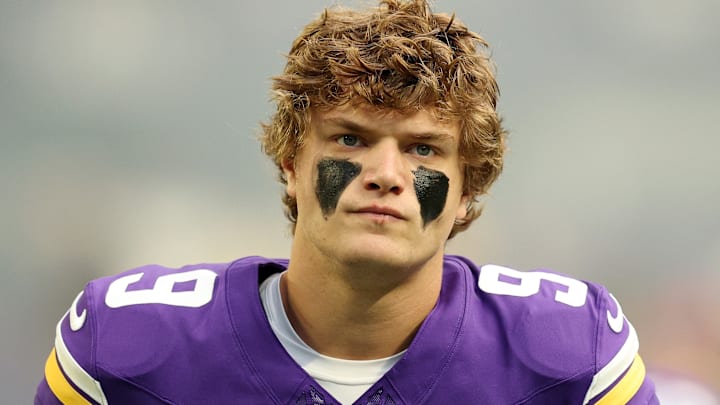
McCarthy’s 2025 season never fully stabilized. Interrupted availability limited continuity within the offense and made it difficult for coaches to assess sustained progress. In today’s NFL, where timing, repetition, and leadership under center are non-negotiable, availability often weighs as heavily as arm talent or schematic fit. Sources indicate that Minnesota’s internal review has focused less on isolated performances and more on the cumulative risk profile tied to durability.
Financial strategy is also part of the discussion. A potential post–June 1 decision would allow the Vikings to manage cap implications more flexibly, spreading dead money across seasons and preserving options during a crucial offseason window. With multiple roster needs to address and a competitive NFC landscape, front offices increasingly prioritize flexibility—especially when uncertainty exists at quarterback.
The calculus reflects a broader league trend. Teams are more willing than ever to make decisive calls at quarterback when the balance of risk and reward tilts unfavorably. Development timelines have compressed, and patience often gives way to pragmatism when injuries disrupt evaluation windows. For Minnesota, the question appears to be whether continued investment aligns with a win-now approach or whether reallocating resources offers a clearer path forward.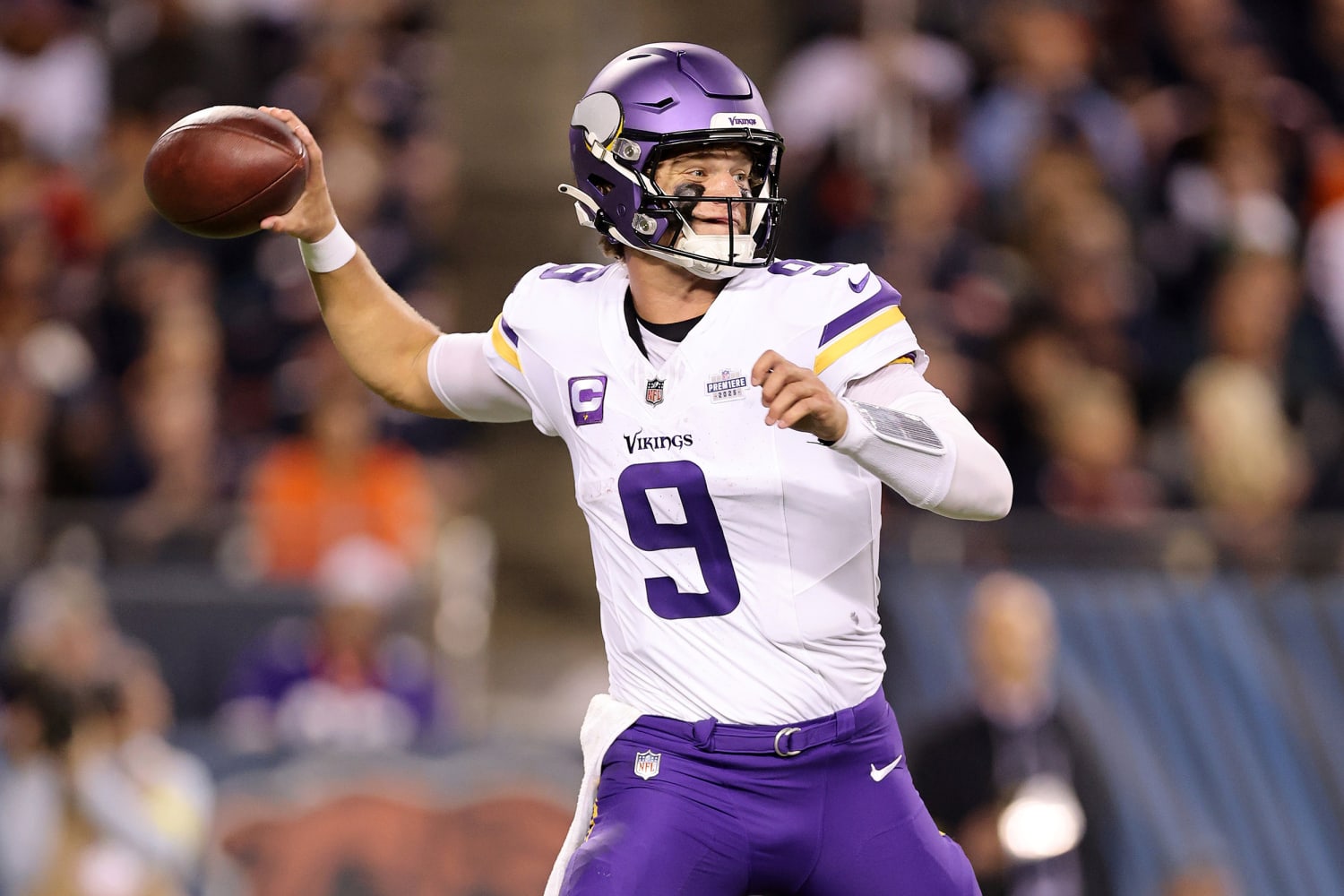
Reaction around the league has been mixed. Some executives view a potential move as disciplined roster management, arguing that uncertainty at quarterback can stall progress across the offense. Others caution against moving on too quickly from a young passer whose development was hindered by health rather than performance alone. The truth likely sits between those poles: durability matters, but context does too.
Inside the building, any quarterback decision carries ripple effects. Offensive identity, leadership dynamics, and offseason planning all hinge on clarity under center. How the Vikings communicate their direction—both internally and publicly—will shape the transition. Teams that manage such moments well often emphasize process over blame, framing changes as strategic rather than reactive.
For McCarthy, a possible change of scenery would not end his NFL prospects. Quarterbacks with pedigree and upside frequently find second opportunities, particularly in systems better tailored to their strengths or with clearer developmental pathways. A post–June 1 move could open doors elsewhere, offering a reset that many passers have used to reestablish momentum.
The timing is notable. As the league approaches free agency and the draft, decisions tend to accelerate. Quarterback markets move quickly, and clarity can be an asset—both for teams seeking stability and for players seeking opportunity. Whether Minnesota finalizes a move or reassesses its stance, the report has already reframed offseason conversations.
Ultimately, this moment underscores how thin the margin can be at quarterback. Talent, fit, health, and finances intersect in ways that leave little room for ambiguity. The Vikings appear to be weighing those variables with an eye toward the future, recognizing that the choices made this spring will shape not only the 2026 outlook, but the broader arc of the franchise.
For now, the situation remains fluid. But the message from league sources is clear: Minnesota is at a crossroads, and a defining decision at quarterback may be imminent.