The disappointment was still fresh when Randy Moss decided he had seen enough. Following another crushing blow to the Minnesota Vikings’ playoff hopes, the Hall of Fame wide receiver didn’t aim his frustration at coaches, quarterbacks, or play-calling. Instead, Moss turned his attention to a different target altogether: the so-called fans who disappear the moment adversity arrives.
In a raw and unapologetic message that quickly spread across social media, Moss questioned the definition of fandom itself. He criticized those who celebrate loudly when the team wins but retreat into silence—or worse, public criticism—when the season goes off the rails. For Moss, loyalty isn’t situational. It’s revealed in the hardest moments, not the easiest ones.
“This is when it shows,” Moss said in remarks that struck a nerve across the league. “Anybody can cheer when things are good. But when it’s tough, when it hurts, that’s when you find out who’s really with you.”
The timing made the message hit even harder. Minnesota’s playoff aspirations had just taken a devastating hit, leaving players and fans grappling with another familiar feeling: what might have been. For a franchise long defined by near-misses and heartbreak, the emotional toll is heavy—and Moss knows that better than most.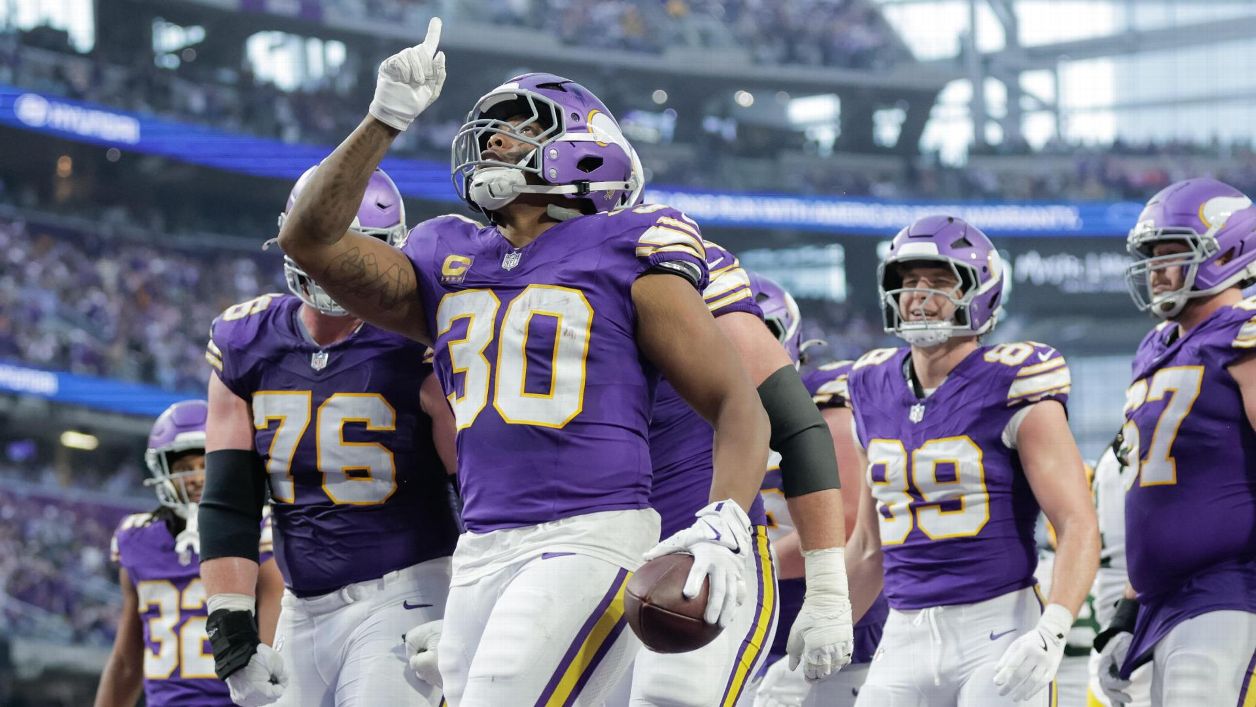
During his playing days, Moss embodied both the brilliance and the frustration of Vikings football. He delivered jaw-dropping performances, redefined the deep threat position, and gave fans unforgettable moments. But he also experienced seasons where expectations collapsed under pressure. Through it all, Moss remained fiercely connected to the fanbase that embraced him, even when the results fell short.
That history gives his words weight.
Moss made it clear that his message wasn’t about blind optimism or pretending failure doesn’t matter. Accountability, he emphasized, is part of loving a team. But there’s a difference between constructive criticism and abandonment. Turning your back when the storm hits, only to return when the sun comes out, is not loyalty—it’s convenience.
The reaction was immediate and polarized. Many Vikings fans applauded Moss for saying what they’ve felt for years, arguing that negativity and bandwagon behavior have grown louder in the age of social media. Others pushed back, insisting that frustration comes from passion, not disloyalty. The debate itself underscored Moss’s point: fandom is emotional, messy, and deeply personal.
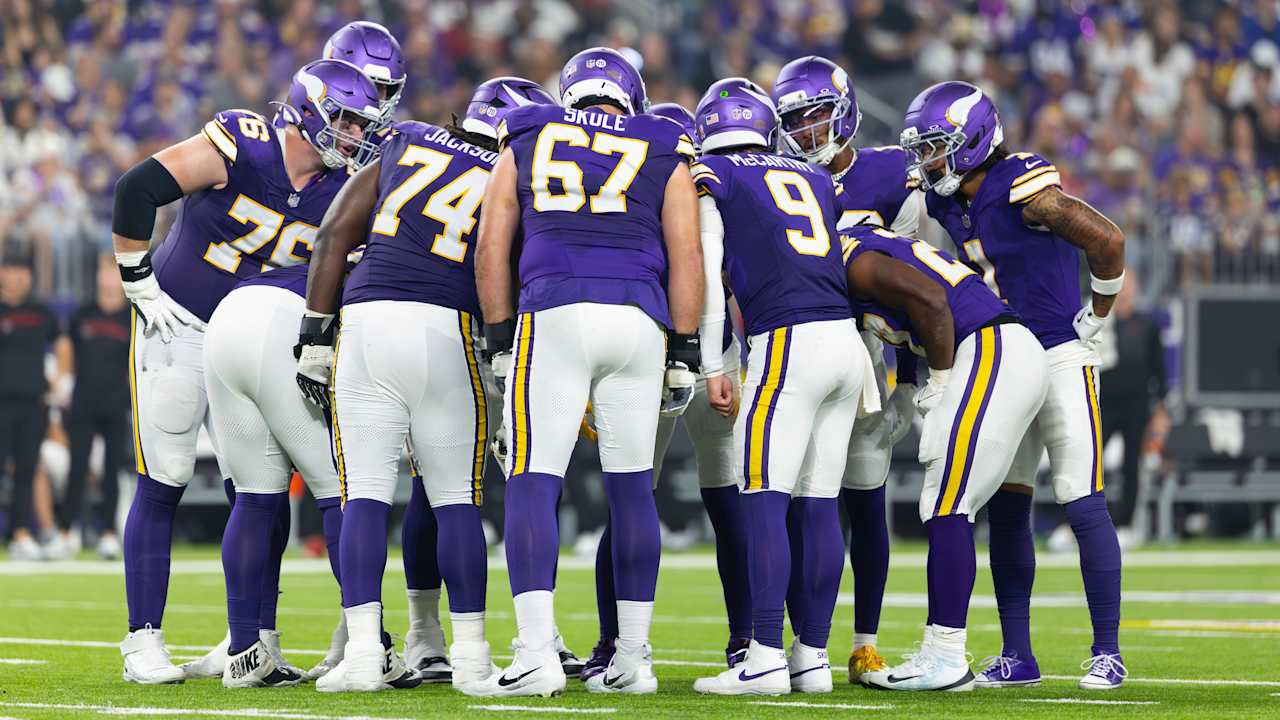
Former teammates and NFL analysts largely sided with the spirit of Moss’s message. Several pointed out that players feel the shift in energy more than fans realize. Empty seats, muted crowds, and online backlash don’t go unnoticed in the locker room. For athletes grinding through injuries and pressure, unwavering support can be a powerful force—even in losing seasons.
“This league humbles you fast,” one former player noted. “When a legend like Randy Moss talks about sticking together, he’s speaking from scars, not slogans.”
For Minnesota, the moment arrives at a crossroads. The franchise continues to search for consistency and postseason success, while its fanbase wrestles with hope and fatigue in equal measure. Moss’s words don’t promise a turnaround. They don’t guarantee trophies. What they offer instead is a challenge—to redefine what it means to stand with a team.
In the end, Moss wasn’t shouting. He didn’t need to. His message was direct, calm, and unmistakable: real fans don’t vanish when things fall apart. They stay, they endure, and they believe—sometimes painfully—that loyalty matters most when it’s hardest to give.
For a franchise built on passion and perseverance, Randy Moss’s reminder may linger long after the playoff math fades.