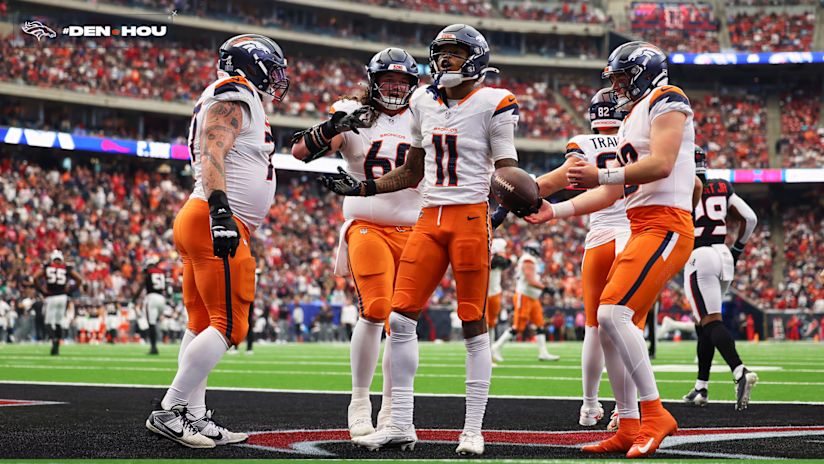
In an NFL world filled with fierce rivalries, loud celebrations, and competitive intensity, a moment of genuine human empathy stood out after the Denver Broncos’ 18‑15 victory over the Houston Texans on Sunday. While most eyes were on the scoreboard and the post‑game scenes, one Broncos player quietly diverted from the usual festivity—skipping the celebratory locker‑room pictures and pats on the back—to walk over to check on C.J. Stroud, the Texans’ young quarterback, who had been knocked out of the game earlier with a concussion.

The context: injury and victory
C.J. Stroud, just 24 years old and firmly regarded as one of the NFL’s rising stars, appeared in Week 9 carrying the heavy burden of expectations. During the second quarter, the Texans’ QB suffered a brutal hit while attempting to slide for a first down, resulting in his head striking the turf. He was later ruled out with a concussion. Meanwhile, the Broncos held on to their narrow 18‑15 win in a game that turned into one of attrition and resilience.
With the game’s outcome secured, Denver’s locker‑room buzz should have been purely celebratory. Instead, the sideline scene also featured a quiet detour: a Broncos veteran, widely respected in his locker room for leadership, consciously skipped the standard high‑fives and back‑slaps to walk the few yards over to Houston’s locker area, making sure Stroud was okay.
A gesture of respect
According to sources, the player approached Stroud with a handshake and quiet words of encouragement. Stroud, still shaken from the hit, looked surprised by the gesture. Teammates say the moment visibly affected him, a rare scene captured off the field that offered a reminder: despite the brutality of the game, respect and empathy still linger.
One eyewitness described the interaction like this: “He could have stayed in the celebration, but he chose to go check on his opponent. It took everyone by surprise—even the Texans staff in that locker room.” Whether it was a sense of solidarity among players, the shared risk they face every Sunday, or simply human decency, the moment resonated.

Why it matters
In an era when the NFL is often criticized for player injuries, head‑trauma concerns, and the hyper‑commercialization of the spectacle, this moment stood out as an unexpected counter‑narrative. For fans used to seeing roaring celebrations, flashy scoreboard shots, and triumphant poses, this gesture offered something different: sportsmanship. It reminded the audience that behind the helmet and pads are young men who risk life‑changing injuries, and that sometimes respect matters more than the stat sheet.
For Stroud, whose career trajectory has soared since entering the league, the hit and subsequent exit raised immediate concern. It marked his second concussion in under two years. The visit from the Broncos star seemed to reinforce that even on opposing sides, players understand the fragility of the moment.
Reactions and ripple effects
The scene has already stirred social‑media chatter. Fans of both teams posted photos of the player’s detour toward Stroud’s locker. Texans fans thanked the gesture; Broncos fans applauded their teammate’s class. League insiders noted that while the win will be remembered in the standings, this moment may linger longer in memory because of its symbolism.
Coaches from both sides declined to single out the visit in their post‑game remarks, preferring to focus on execution, next week’s opponent, and roster health. But one analyst commented: “The highlight of the week won’t be the 18‑15 final, it will be that moment of pause mid‑celebration. It’s rare.” The player’s identity has not yet been officially confirmed, adding a layer of mystery to the story.
What’s next?
For Stroud, the next few days will be spent recovering and undergoing the league’s concussion protocol. The Texans will monitor his status closely, and his possible return could be a major storyline for the club. For the Broncos, the win bolsters their playoff aspirations, but the quieter moment of the visit may define the week more than the W in the record book.
Importantly, this scene may have ripple effects on how celebrations and post‑game protocol are viewed. Teams, leagues, commentators alike may begin asking: should there be more structured inter‑team respect moments after games? Could the league emphasize more empathy? While that may seem far‑fetched in the moment of high performance, the visit shows that even at the highest level of sport, the human side of football still holds weight.
The takeaway
Sunday’s game will be logged in stats, spreadsheets, and analyses of quarterback pressures, missed assignments, and red‑zone execution. But for many observers, the image of the Broncos star walking away from jubilation to check on C.J. Stroud will linger. It’s a subtle reminder that even in the fiercest competition, a moment of kindness can transcend the scoreboard.
The NFL may keep moving at breakneck speed—plays, penalties, highlights, crashes—but sometimes, the most talked‑about moment is the one that happened off the field, between uniforms and opposing benches. And that’s exactly what made this week’s story a little bit different.