At Heated Hearing, Ted Lieu Presses Marco Rubio on Questions Surrounding Trump’s Public Appearances

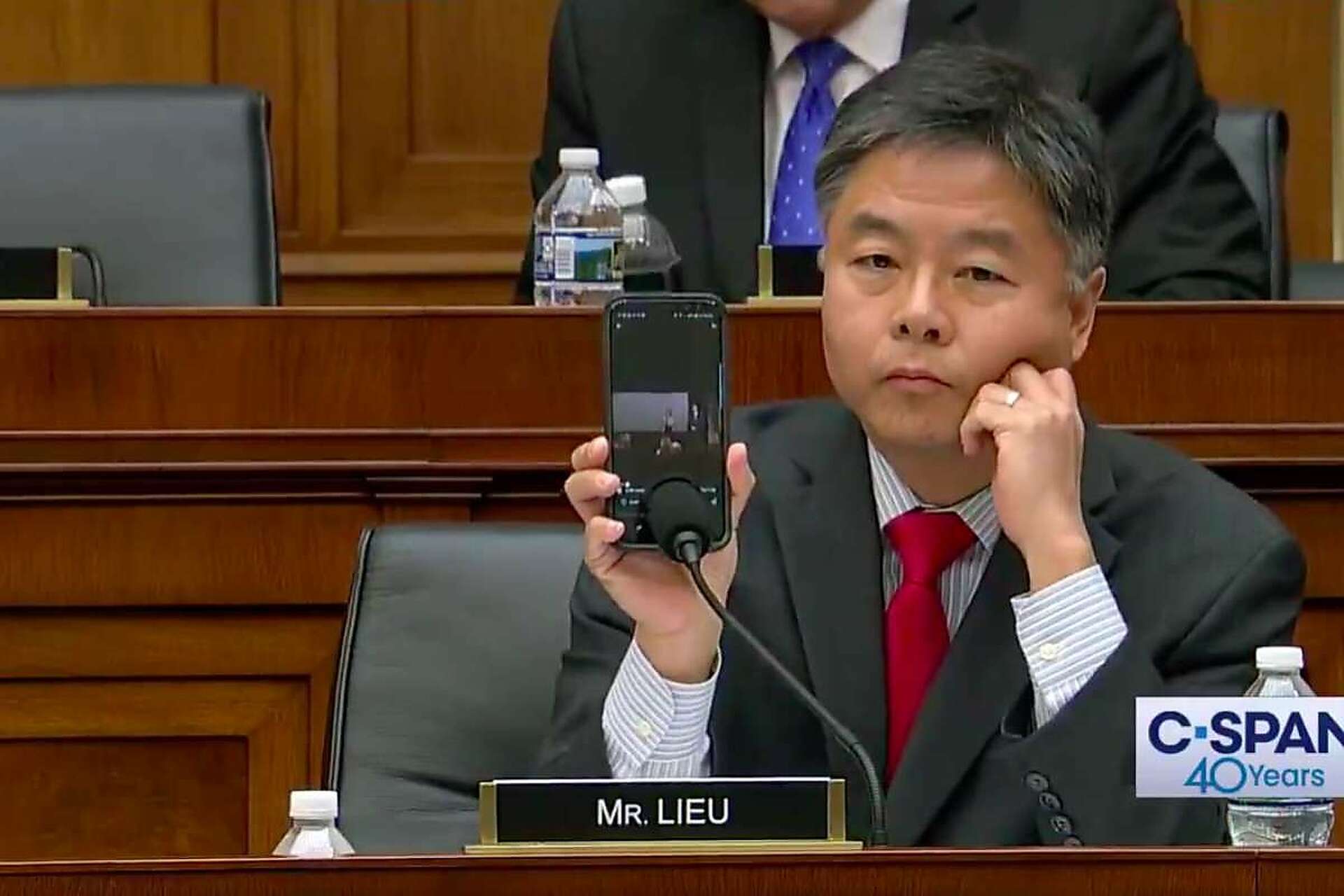
WASHINGTON — A tense exchange unfolded during a congressional hearing this week as Representative Ted Lieu challenged Secretary of State Marco Rubio over public concerns surrounding President Donald Trump’s recent appearances and level of engagement during high-pressure moments.
The hearing, focused primarily on Iran, diplomacy, and national security, shifted unexpectedly when Lieu used part of his allotted time to raise broader questions about presidential readiness and public confidence during periods of international instability.
Rather than focusing solely on foreign policy, Lieu referenced widely circulated video clips that have drawn attention online in recent weeks. Some commentators interpreted the footage as showing moments in which Trump appeared tired or less visibly engaged during public events.
Among the examples cited was Memorial Day footage from Arlington National Cemetery, where online observers debated Trump’s demeanor during a wreath-laying ceremony. Supporters dismissed criticism as politically motivated, while critics argued the clips deserved public discussion.
Lieu also referred to a separate Cabinet meeting video in which critics said Trump appeared unusually quiet while senior officials spoke. He framed the issue not as partisan theater but as a question of transparency during consequential geopolitical decisions.
Turning directly toward Rubio, Lieu asked whether concerns about presidential focus should be addressed more openly, particularly at a moment when tensions involving Iran continue to shape military and diplomatic strategy.
Rubio rejected the implication, defending Trump’s leadership and insisting the president remains actively involved in national security briefings. He described suggestions of diminished focus as exaggerated and politically driven interpretations of isolated moments.
The exchange quickly grew sharper. Lieu argued that public concerns cannot simply be dismissed when millions of Americans are already debating the issue online and across traditional media, particularly during periods of military uncertainty.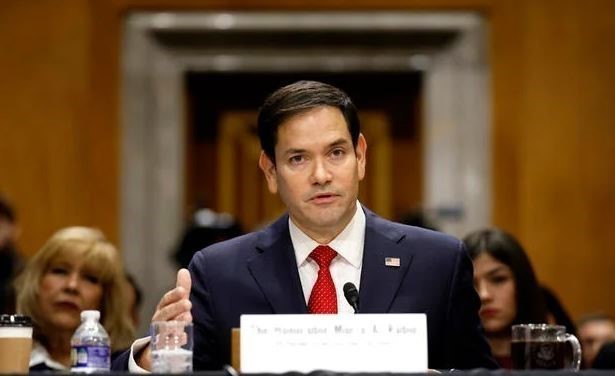
For many observers, the moment reflected a broader political shift. Questions about the age, stamina, and readiness of national leaders have increasingly become central topics in American politics, cutting across party lines and ideological divides.
Political strategists note that public confidence often hinges not only on policy decisions but also on appearances, tone, and perceptions of steadiness during moments of crisis. Small moments on camera can quickly become major political flashpoints.
The White House has previously pushed back against criticism tied to Trump’s public appearances, characterizing such concerns as partisan narratives amplified through selective video clips and political opposition.
At the same time, critics argue that transparency matters most during international conflicts, particularly when military decisions may involve rapid escalation, diplomatic negotiations, or potentially life-and-death consequences affecting service members and civilians alike.
What made the hearing especially notable was not simply the disagreement itself, but the contrast in framing. Rubio emphasized confidence and continuity, while Lieu stressed scrutiny and public accountability during a period of elevated geopolitical tension.
Analysts say moments like these often resonate because they touch larger anxieties voters carry into election cycles: trust, leadership, transparency, and whether institutions are providing sufficient clarity about decisions made at the highest levels of government.
By the hearing’s conclusion, no consensus had emerged. Yet the confrontation underscored an enduring reality of American politics: in moments of uncertainty, questions about leadership rarely remain confined to policy alone — they inevitably become questions of public confidence.