Trump’s Attack on Jimmy Kimmel BACKFIRED — Late-Night Mockery Collides With Mounting Legal Pressure
In the modern political era, few public figures have treated comedians as direct political opponents quite like Donald Trump. For years, his clashes with late-night television hosts have evolved beyond entertainment into a recurring contest over influence, narrative control, and public perception. But a recent escalation involving Jimmy Kimmel appeared to reveal something larger than another celebrity feud. It exposed the growing limits of outrage as a political strategy.
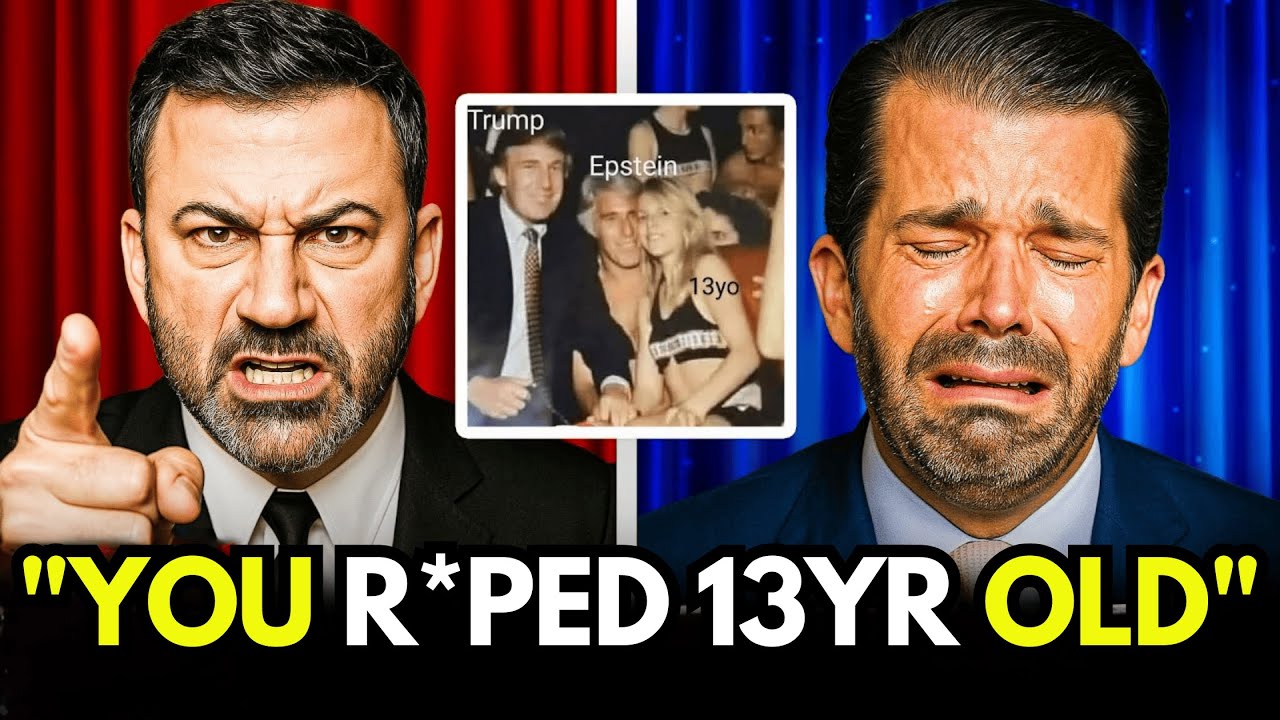
The dispute intensified after Trump publicly criticized Kimmel in a series of online posts and campaign-style remarks, accusing the ABC host of bias, declining ratings, and using political attacks to remain relevant. Trump also encouraged supporters to pressure the network and advertisers, framing Kimmel as part of a broader media establishment hostile to his movement.
The strategy was familiar. Throughout his political career, Trump has often responded to criticism with direct confrontation, turning adversaries into rallying points for supporters. In earlier years, such campaigns occasionally led corporations, media figures, or political opponents to retreat under public pressure. But the latest confrontation with Kimmel appeared to unfold differently.
Rather than responding immediately, Kimmel remained publicly silent for several days, fueling speculation online about whether the host would address the attacks directly. When he eventually returned to air, the atmosphere surrounding the show carried the feeling of a nationally anticipated confrontation.
Kimmel approached the moment not with outrage, but with theatrical restraint. He read portions of Trump’s statements aloud, exaggerating their tone for comedic effect while allowing the wording itself to become the punchline. The audience responded with sustained laughter, but the segment quickly evolved into something more pointed.
The host noted that the attacks had coincided with a sharp rise in viewership and social media engagement for the program. ABC publicly reaffirmed support for Kimmel, while advertisers reportedly maintained their partnerships despite calls for boycotts. In effect, the attempted pressure campaign had produced the opposite outcome: increased attention, renewed institutional backing, and expanded visibility for the comedian Trump had attempted to diminish.

Political analysts and media observers increasingly argue that this pattern reflects a broader transformation in the American media environment. Aggressive public attacks that once overwhelmed opponents can now amplify them instead, especially when audiences interpret the reaction as excessive or personal.
The episode also highlighted the unusual degree to which Trump remains engaged with late-night comedy culture. Presidents have long been mocked by television hosts, but critics say Trump’s responses often elevate satire into a perceived political threat. To supporters, his willingness to confront hostile media demonstrates authenticity and combativeness. To critics, it reflects a deeper sensitivity to ridicule and public mockery.
Kimmel’s monologue focused less on Trump’s politics than on the mechanics of intimidation itself. He framed the attacks as evidence that ridicule still has the power to unsettle political figures who rely heavily on dominance and spectacle. By refusing to react defensively, Kimmel attempted to reposition himself not as a victim of political pressure, but as someone benefiting from it.
The confrontation unfolded against a wider backdrop of legal scrutiny and political turbulence surrounding the Trump family and several associates. Court proceedings, financial investigations, and renewed public attention toward previously reported connections to Jeffrey Epstein have contributed to an atmosphere in which public image management has become increasingly difficult.
Late-night comedians have seized on that environment. Kimmel, Stephen Colbert, and others have increasingly blended political satire with commentary on court filings, testimony, and public records. Their segments frequently reach millions online, extending beyond traditional television audiences and becoming part of broader political discourse.
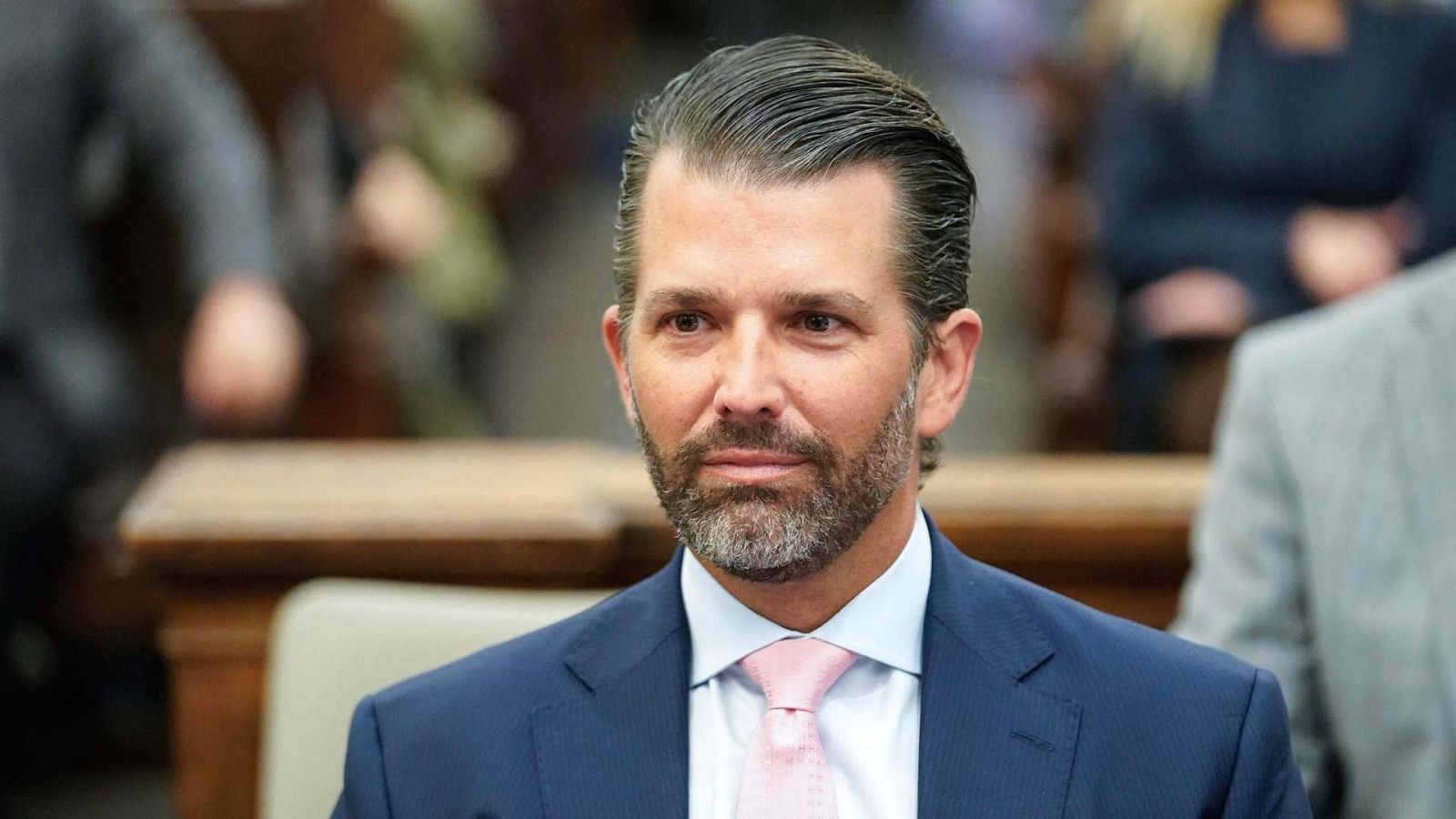
Critics of Trump argue that his reactions often reinforce the very narratives he seeks to suppress. Each angry response, they contend, draws renewed attention to accusations, investigations, or criticisms that might otherwise fade from public focus. In that sense, the backlash itself becomes part of the story.
Supporters of the former president, however, view these media confrontations differently. Many see late-night television as openly partisan, accusing hosts of disguising political activism as comedy while selectively targeting conservative figures. To them, Trump’s willingness to fight publicly against entertainment institutions reflects resistance rather than insecurity.
Still, the Kimmel episode demonstrated how quickly the balance can shift in an era driven by viral media. The conflict no longer remained confined to a single television monologue or social media post. Instead, it became a larger cultural moment about who controls attention, who benefits from outrage, and whether aggressive political counterattacks still produce the fear they once did.
By the end of the week, what began as an attempt to undermine a comedian had instead elevated him. Trump’s criticism gave Kimmel his largest audience in months and transformed a routine late-night segment into a national political talking point.
For both men, the exchange ultimately served as a reminder of how modern political conflict increasingly plays out not only in courtrooms or campaign rallies, but under studio lights, in viral clips, and in the uneasy space where entertainment and power collide.