The Paper Trail: FBI Director Kash Patel, the “CI-12” Purge, and the Ethics of the Global Jet
The transition of power within America’s premiere law enforcement agency has moved from a period of administrative shift to a full-blown constitutional and ethical crisis. While viral claims of an “immediate arrest” for FBI Director Kash Patel remain factually unverified today, the legal “walls” surrounding the Director are becoming increasingly visible. Following a formal complaint filed by a prominent watchdog group and explosive testimony regarding the “gutting” of elite intelligence units, Patel find himself at the center of a storm involving the alleged misuse of government assets and the strategic removal of Iran experts during an active military conflict.

The $60 Million Taxi: The Milan and Maldives Allegations
The most immediate threat to the Director’s standing is a formal complaint filed with the FBI’s Inspector General. The filing alleges that Patel misused government aircraft on more than ten occasions for personal or tenuously “official” travel.
Specific instances cited in the complaint include a trip to Milan, where Patel reportedly attended the Olympic hockey gold medal game following a brief 20-minute briefing, and a $60 million jet acquisition that whistleblowers claim has been used for “personal travel” to destinations like Scotland. Most concerningly, these flights reportedly delayed the Bureau’s response to major domestic incidents, including a high-profile shooting at Brown University, as the Director’s security detail and transport were occupied elsewhere.
The Purge of CI-12: Expertise vs. Loyalty
While the travel allegations center on ethics, a second development carries implications for national security. New reporting indicates that Patel has fired a dozen experienced agents from CI-12, an elite counter-espionage unit specializing in Iranian military capabilities and intelligence.
These firings occurred just days before the launch of “Operation Epic Fury”—the U.S. bombing strikes that resulted in the death of Iran’s Supreme Leader. The removal of these “rainmakers”—veteran analysts with deep knowledge of Iranian decision-making structures—at the exact moment their expertise was needed most has left the intelligence community “bracing” for further purges. If these specialists were removed because their assessments regarding Iran’s nuclear program contradicted the administration’s public narrative, the issue shifts from an internal HR matter to a potential “weaponization” of the Bureau.

Shouting Matches and “Hypocrisy”
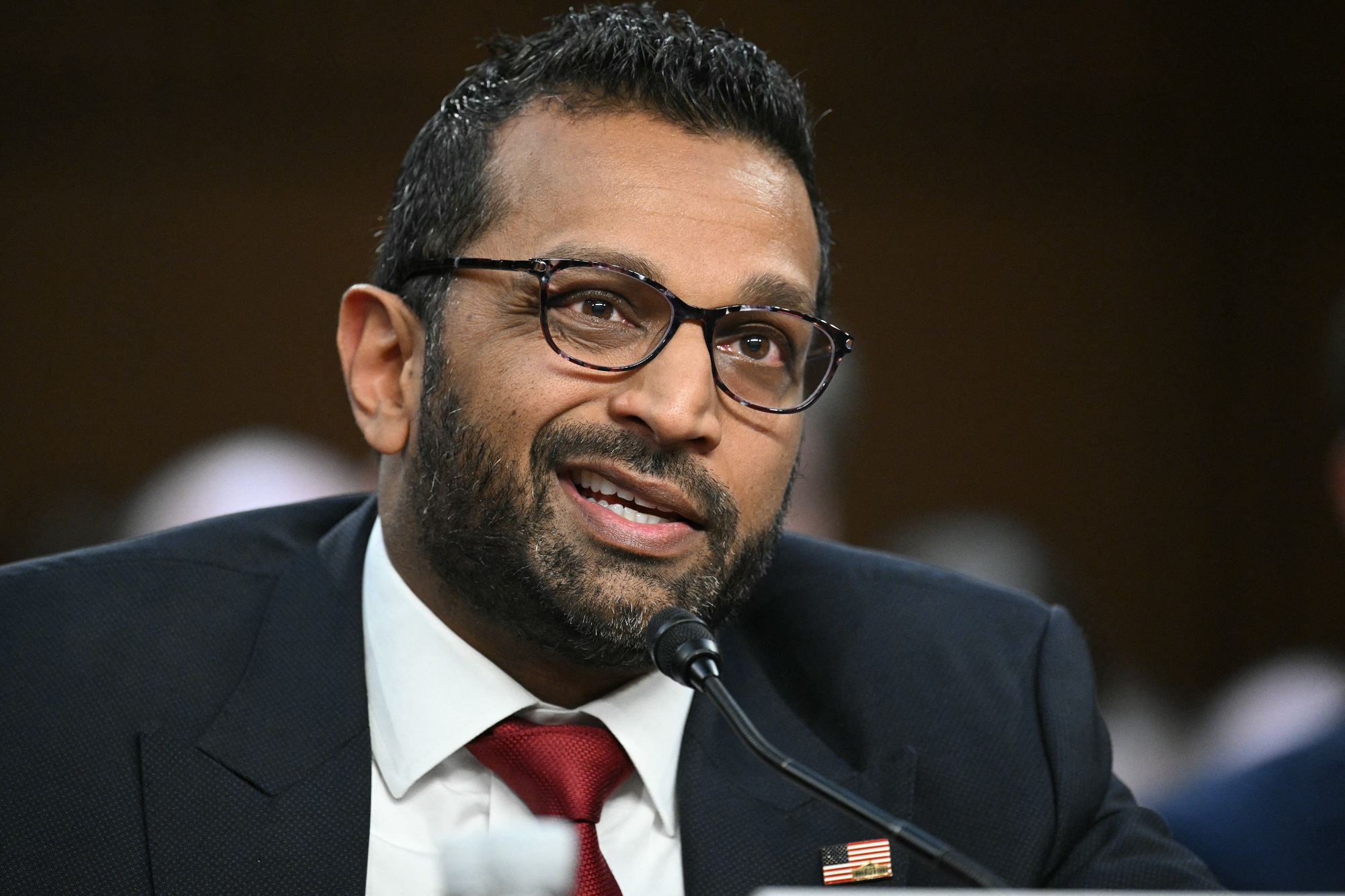
During a recent Senate hearing, the atmosphere turned volatile as Patel engaged in verbal shouting matches with lawmakers. Adopting a defiant posture, the Director stated he does “not give a damn” about criticism as long as he is “succeeding in the mission.”
However, his selection of the word “hypocrite” to describe his critics has raised eyebrows among legal analysts. Patel had previously testified under oath that there would be “no retributive actions” taken by the FBI under his leadership. Yet, the specific dismissal of agents who had previously participated in the investigation of the President’s mishandling of classified information suggests a pattern of retaliation that directly challenges his sworn statements.
The Leaderless Agencies
The instability at the FBI is mirrored across the broader intelligence community. Both the National Security Agency (NSA) and the Defense Intelligence Agency (DIA) were reportedly left leaderless for months after the President fired their directors. One dismissal was allegedly at the behest of a 9/11 conspiracy theorist, while another followed a “fact-based assessment” that contradicted the administration’s claims about having “obliterated” Iran’s nuclear capabilities.
As the Bureau’s budget is slashed by over $500 million—with the deepest cuts hitting cyber and counter-espionage—highly trained SWAT units have reportedly been reassigned to “chauffeur” duties for non-government personnel. This “creeping normalization” of dysfunction suggests a department being redirected away from its core mission of hunting terrorists and towards a role defined by political alignment.
A Process in Motion
The Inspector General complaint is the “beginning of a process, not the end of one.” While these investigations can take months or years, every document produced and every whistleblower account verified creates a paper trail that is difficult to erase.
As the administration continues its military excursion in Iran, the “Eiffel Tower of silence” regarding the missing Iran analysts remains a primary concern for the Senate Judiciary Committee. Kash Patel is not being arrested today, but the administrative and legal mechanisms that produce such outcomes are being methodically assembled, one filing at a time. The question of “who investigates the investigator” has become the most urgent query in Washington.