President Donald Trump has authorised the temporary deployment of Immigration and Customs Enforcement (ICE) personnel to major U.S. airports to supplement Transportation Security Administration (TSA) screening operations, the White House confirmed on March 23, 2026. The decision follows more than five weeks during which thousands of TSA officers have continued working without regular pay due to a lapse in Department of Homeland Security (DHS) appropriations.

The funding impasse stems from congressional disagreement over border-security measures that Republicans have sought to attach to the annual DHS spending bill. House Republicans, backed by the White House, have insisted on language that would reinstate certain Title 42-style expulsion authorities, expand detention capacity and accelerate removal proceedings for individuals deemed inadmissible. Senate Democrats, led by Appropriations Committee Chair Patty Murray (D-WA), have countered that such provisions represent policy changes that should be considered separately from routine funding legislation. The resulting deadlock has prevented passage of a full-year appropriations measure, forcing the department to operate under a series of short-term continuing resolutions that have now expired.
TSA, which employs approximately 60,000 transportation-security officers nationwide, has been particularly affected. While the agency has utilised existing contingency funds and management reserves to maintain basic operations and issue partial pay advances, many frontline officers have gone without full bi-weekly paychecks since mid-February. Union representatives from the American Federation of Government Employees and the National Treasury Employees Union have described morale as “severely strained,” with some officers reporting financial hardship that has led to increased absenteeism and reliance on food banks or community assistance programmes.
In response, the Trump administration invoked emergency authorities under the Homeland Security Act to reassign ICE enforcement and removal officers to airport security lanes. ICE, which maintains a workforce of roughly 20,000, has begun deploying agents with appropriate training and credentials to assist with passenger and baggage screening, identity verification and crowd management. Department officials stress that ICE personnel will not perform law-enforcement functions unrelated to aviation security during the assignment and that the measure is intended solely to prevent operational degradation at major hubs.
White House press secretary Karoline Leavitt described the deployment as a necessary step to protect public safety and travel flows while Congress resolves the funding dispute. “The president will not allow partisan gamesmanship to jeopardise the security of American airports or the livelihoods of dedicated federal employees,” she said in a written statement. Administration officials also pointed to recent increases in traveller volume during spring-break season as justification for immediate action.
Democrats have criticised the move on both procedural and substantive grounds. House Minority Leader Hakeem Jeffries (D-NY) called the deployment “a transparent political stunt” that circumvents Congress’s power of the purse and fails to address the underlying funding crisis. Senate Majority Leader Chuck Schumer (D-NY) argued that redirecting ICE resources from immigration enforcement priorities to TSA duties creates unnecessary strain on other DHS missions. Several Democratic lawmakers have also raised concerns about whether ICE officers, whose primary training focuses on immigration and customs violations, are adequately prepared for the specialised demands of passenger screening.
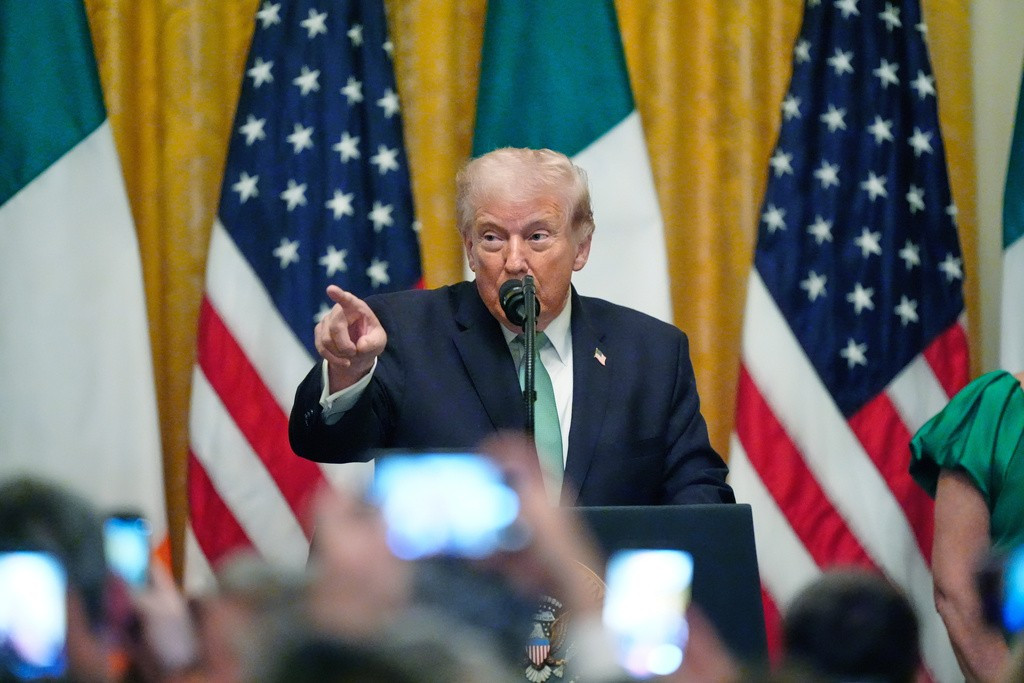
Republicans, meanwhile, have defended the administration’s action while renewing pressure on Democrats to accept border-security concessions. House Speaker Mike Johnson (R-LA) stated that the deployment underscores the consequences of prolonged funding uncertainty and accused Senate Democrats of holding TSA workers “hostage” to extract immigration-policy changes that lack majority support in the upper chamber. Several GOP senators have suggested that a clean continuing resolution — without additional policy riders — could pass quickly if Democrats drop their insistence on linking funding to broader reforms.
The standoff reflects deeper partisan divisions over immigration enforcement that have repeatedly disrupted DHS funding cycles. Since 2018, short-term resolutions and partial shutdowns have become recurring features of the appropriations process whenever border-security language is included in must-pass legislation. The current impasse is particularly notable because it has extended beyond the typical few days or weeks, raising questions about the sustainability of relying on continuing resolutions for an agency responsible for aviation security and disaster response.
Travel-industry groups, including Airlines for America and the U.S. Travel Association, have expressed concern about potential passenger delays and reduced screening capacity at peak times. While no widespread disruptions have been reported to date, airport operators in major hubs — including Atlanta, Chicago O’Hare, Dallas-Fort Worth and Los Angeles — have indicated that they are monitoring staffing levels closely and preparing contingency plans should the situation persist.
Union leaders representing TSA officers have welcomed any additional personnel that can reduce workload pressures but have urged Congress to pass a full appropriations bill that restores regular pay and benefits. “Our members are patriots who show up every day to keep the travelling public safe,” said J. David Cox Sr., national president of the American Federation of Government Employees. “They deserve timely paychecks, not stopgap measures.”
The deployment of ICE personnel is expected to remain in place until Congress passes either a full-year DHS appropriations bill or another continuing resolution that restores regular funding mechanisms. Negotiations between House and Senate appropriators are continuing behind closed doors, with both sides indicating a desire to avoid a broader government shutdown that would begin affecting other departments in mid-April.
Analysts note that the current crisis illustrates the increasingly frequent intersection of fiscal policy and immigration politics. With border encounters remaining elevated — though below pandemic-era peaks — and public opinion polls showing immigration among the top voter concerns, both parties face pressure to demonstrate progress. For Republicans, the impasse provides leverage to push enforcement-focused reforms; for Democrats, it offers an opportunity to highlight what they describe as hostage-taking tactics on essential government services.
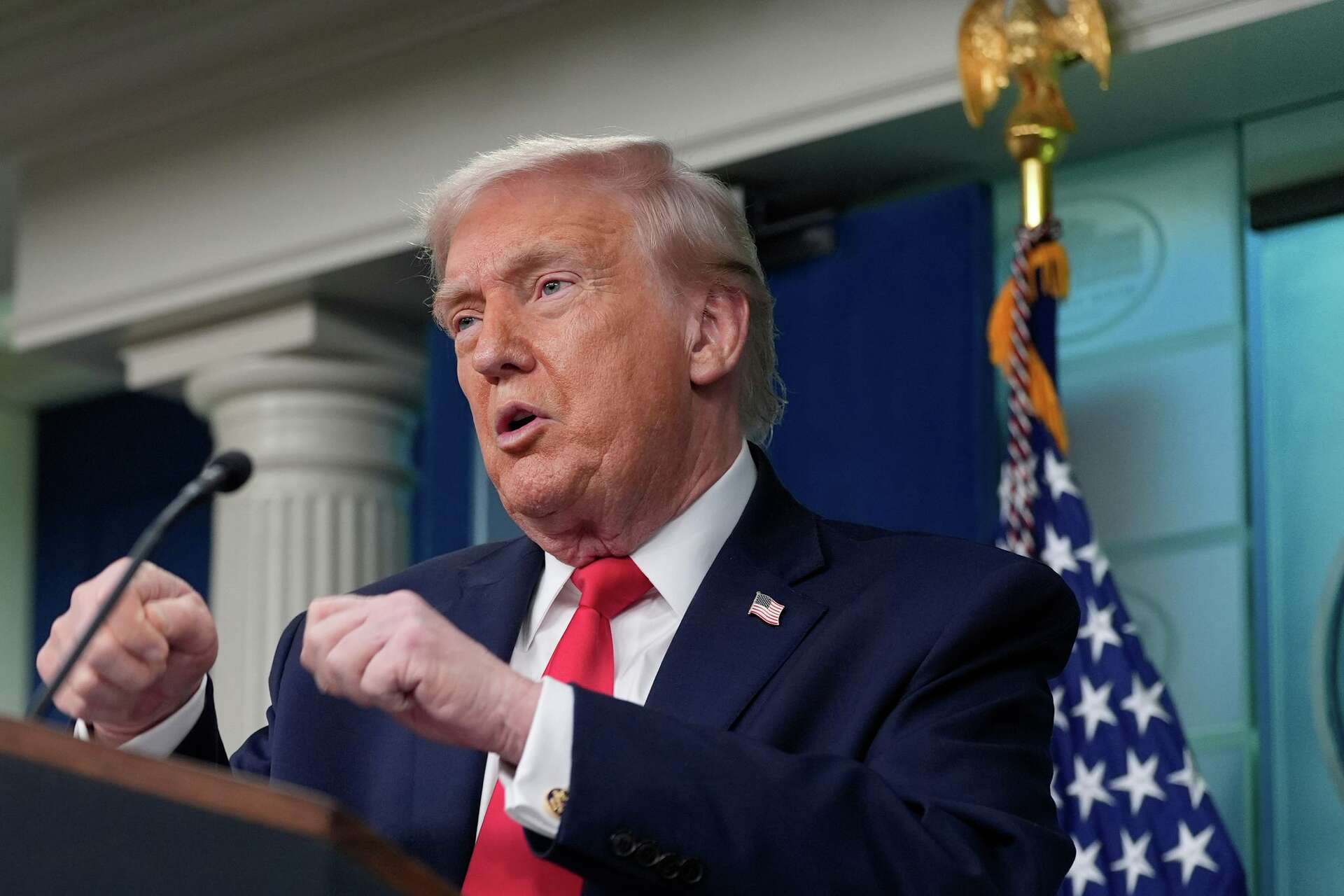
Whether the deployment ultimately accelerates a resolution or hardens negotiating positions remains uncertain. For now, ICE officers at airport checkpoints represent a visible reminder of the human and operational costs that accumulate when routine funding lapses stretch into months. As spring travel volumes rise, the stakes for a timely legislative breakthrough continue to grow.