President Donald Trump’s speech before the United Nations General Assembly has generated significant pushback from a range of member states, international organizations, and foreign-policy analysts, marking one of the more contentious U.S. appearances at the annual high-level debate in recent years. Delivered on September 24, 2025, the address focused heavily on themes of national sovereignty, criticism of multilateral institutions, trade imbalances, and U.S. positions on several active conflicts, drawing both applause from certain delegations and visible disapproval from others.
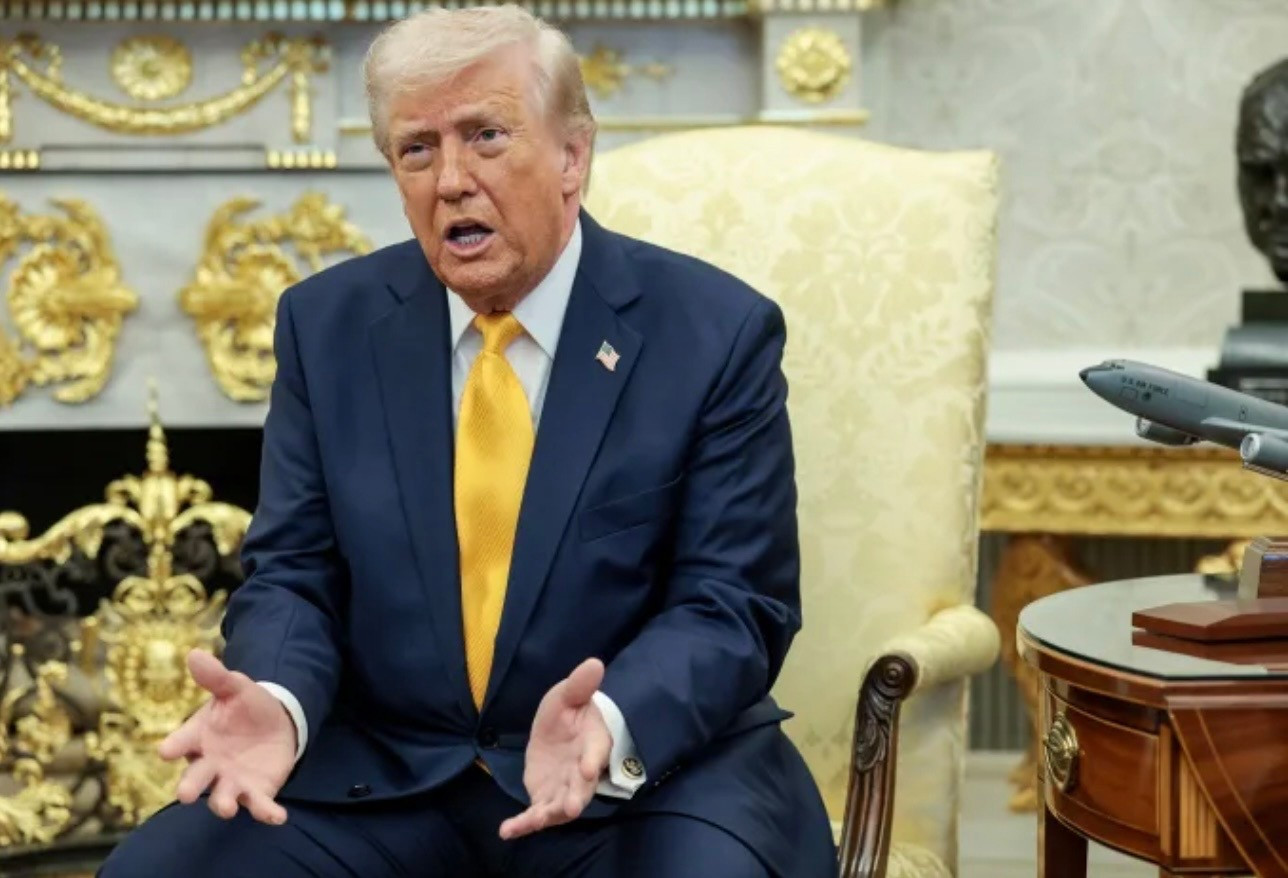
The speech opened with a strong assertion of American primacy in global affairs, reiterating the administration’s view that the United States has borne disproportionate costs in maintaining international security and economic stability. Trump highlighted recent military operations in the Middle East, describing them as decisive actions that eliminated long-term threats and protected global energy markets. He contrasted U.S. contributions with what he characterized as insufficient burden-sharing by certain allies, singling out NATO partners for failing to meet agreed defense-spending targets and questioning the value of some longstanding security commitments.
Several passages drew particular attention. The president expressed skepticism toward UN mechanisms for conflict resolution, arguing that prolonged negotiations often benefit adversaries while constraining decisive action by responsible powers. He also renewed criticism of international trade frameworks, asserting that previous agreements had disadvantaged American workers and industries. References to specific countries—including China, Iran, and certain European states—were delivered in blunt terms, with Trump accusing unnamed actors of undermining U.S. interests through economic coercion, support for terrorism, or reluctance to confront shared threats.
Reactions from the floor and in subsequent statements were swift and varied. Delegations from several Western European countries issued measured but firm rebuttals, emphasizing the importance of collective security arrangements and multilateral diplomacy in addressing global challenges. France, Germany, and the United Kingdom released coordinated remarks underscoring their commitment to NATO while expressing concern over language that appeared to question the durability of alliance obligations. Canada’s representative highlighted the mutual benefits of North American economic integration and urged continued dialogue rather than unilateral approaches.
Developing nations and members of the Non-Aligned Movement offered a broader spectrum of responses. Some welcomed the emphasis on sovereignty and non-interference, while others criticized what they viewed as selective application of those principles in U.S. foreign policy. Representatives from Latin American and African states expressed unease over the tone toward multilateral institutions, arguing that global problems—climate change, pandemics, and debt sustainability—require inclusive cooperation rather than dominance by any single power.
The Middle East drew particular focus. Arab League members and Gulf Cooperation Council states offered mixed assessments: appreciation for actions against Iranian capabilities was tempered by concern over escalation risks and the absence of a clear diplomatic off-ramp. Israel’s delegation welcomed the reaffirmation of U.S. support, while Palestinian representatives condemned the lack of reference to a two-state framework and ongoing settlement activity.
Behind the scenes, diplomatic sources indicate that the speech prompted a flurry of bilateral meetings and corridor conversations during the General Assembly week. Several foreign ministers sought clarification from U.S. counterparts on the practical implications of certain statements, particularly regarding alliance commitments and trade policy. U.S. diplomats worked to frame the address as a candid expression of long-standing administration priorities rather than a departure from established partnerships.
The domestic U.S. reaction split along familiar lines. Supporters praised the speech as a necessary assertion of American strength and a corrective to perceived weakness in prior administrations’ multilateral engagements. Critics, including prominent Democrats and some Republican foreign-policy figures, described the tone as unnecessarily confrontational and potentially damaging to long-term U.S. influence. Congressional leaders from both parties called for hearings on the administration’s broader UN strategy and its alignment with legislative oversight of foreign policy.
Media coverage reflected the polarized environment. Outlets aligned with conservative viewpoints highlighted applause from certain delegations and framed the address as a bold defense of national interests. Progressive and centrist publications emphasized walkouts by small groups of delegates, visible expressions of disapproval during certain passages, and warnings from European capitals about alliance cohesion.
The speech occurred against a backdrop of active U.S. military engagement in the Middle East, elevated global energy prices, and ongoing trade frictions with multiple partners. Administration officials have since reiterated that the United States remains committed to its alliances while expecting reciprocal contributions and fair economic treatment. They pointed to recent bilateral agreements and defense-cooperation initiatives as evidence of continued engagement.
For the United Nations itself, the address underscored perennial tensions between the organization’s universalist mandate and the realities of power politics among permanent Security Council members. Secretary-General António Guterres, in his own remarks, called for renewed multilateralism to address shared threats, implicitly contrasting with portions of the U.S. presentation.
Analysts note that while sharp rhetoric at the General Assembly is not uncommon, the cumulative effect of repeated questioning of institutional legitimacy can erode diplomatic capital over time. The current moment tests whether the administration can translate strong public positions into concrete negotiating leverage without alienating partners whose cooperation remains essential on issues from climate finance to nuclear non-proliferation.
As the high-level week concludes, attention shifts to follow-up engagements: bilateral summits on the margins, Security Council meetings, and preparatory work for future multilateral conferences. The degree to which the speech’s fallout influences those interactions will provide an early indicator of its lasting diplomatic impact.

The broader transatlantic relationship, already navigating post-election adjustments and divergent threat perceptions, faces added strain from the public divergence on display. Yet historical precedent suggests that such episodes, while disruptive in the moment, rarely sever underlying strategic alignments when core security and economic interests converge.
For now, the address stands as a clear articulation of the current administration’s worldview—one that prioritizes unilateral freedom of action and reciprocal burden-sharing over consensus-driven multilateralism. Whether that approach ultimately strengthens or diminishes U.S. global standing will depend on outcomes in the months and years ahead.