The conflict in the Middle East has entered a dangerous new phase, with direct attacks on critical energy infrastructure now threatening global oil and gas supplies and driving prices sharply higher. On March 18, Israel struck facilities linked to Iran’s South Pars gas field — the world’s largest natural gas reserve, shared with Qatar — marking a significant escalation in the U.S.-Israeli campaign against Iran that began in late February.

Iran responded with missile and drone strikes on energy sites in Qatar, Saudi Arabia, the United Arab Emirates and Kuwait, including damage to the vital Ras Laffan LNG complex. Tehran declared Gulf energy assets legitimate targets, raising fears of a broader “energy war” that could disrupt roughly 20 percent of global oil flows through the Strait of Hormuz.
Brent crude futures surged more than 5 percent overnight, pushing toward $110–$113 per barrel, the highest levels in years. Analysts warn that sustained disruption could send prices even higher, with some forecasts reaching $135 or more if the Hormuz chokepoint remains restricted for weeks.
For a small, import-dependent nation like New Zealand, the developments are particularly concerning. The country closed its last refinery at Marsden Point in 2022 and now imports 100 percent of its refined fuel, with roughly half coming from South Korea and about one-third from Singapore. Those Asian refineries, in turn, rely heavily on Middle Eastern crude.
As of March 15, New Zealand held approximately 49 days of combined petrol, diesel and jet fuel cover — including stocks onshore and cargoes already at sea — according to the latest figures from the Ministry of Business, Innovation and Employment. Petrol stood at 51.3 days, diesel at 47.1 days and jet fuel at 49 days. The numbers dipped slightly from the previous week but were described by officials as “healthy” and “stable.”
Government Urges Calm, Experts Warn of Structural Shortfall
In a radio interview on March 19, Associate Energy Minister Shane Jones sought to reassure the public. “There is no need to panic,” he said, noting that up to 10 vessels were en route and no ships had been diverted to higher-paying buyers. He acknowledged, however, that New Zealand sits “at the end of the railway track” and would feel global price increases fully.
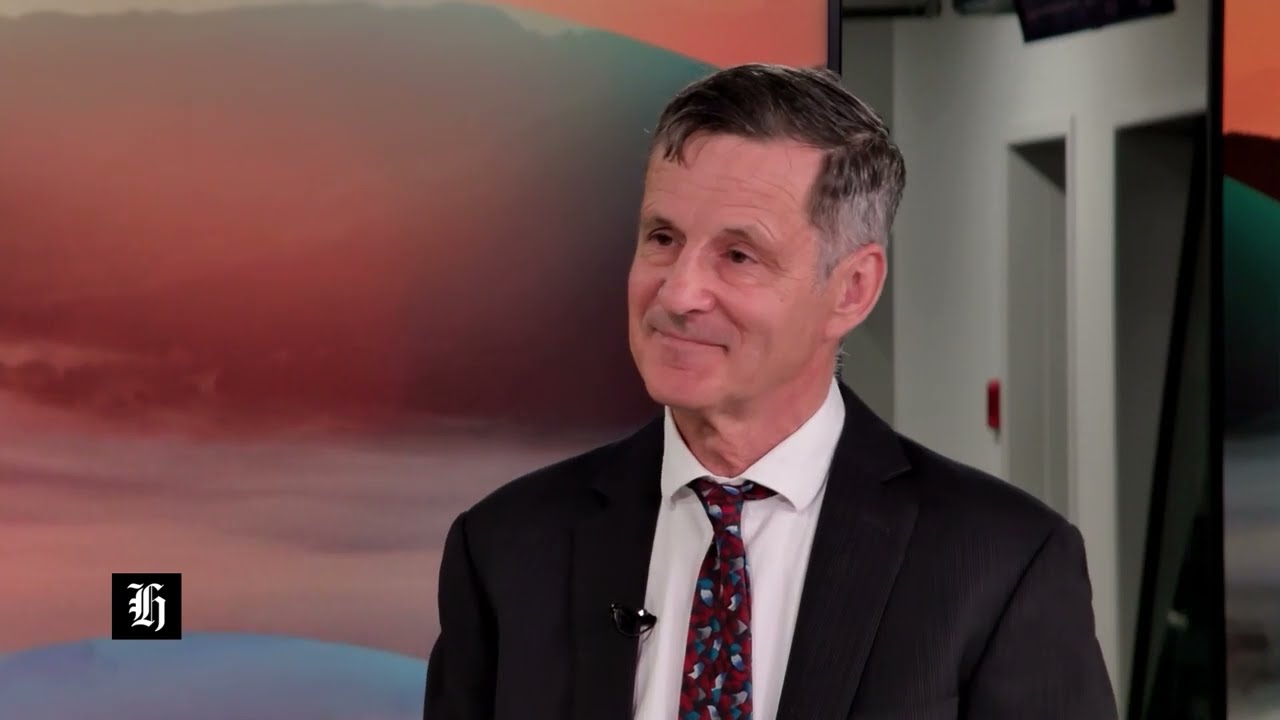
Joining the discussion was David Keat, former long-serving manager at the Marsden Point refinery. Keat agreed that panic served no purpose but cautioned against downplaying the situation.
“There is a structural shortfall on a planetwide basis,” he told the program. On the first day of intensified conflict, crude and oil supplies through the Strait of Hormuz dropped by as much as 20 percent. Even after market adjustments, a shortfall of perhaps 10 to 12 percent remains. “Someone, somewhere, is going to miss out.”
Keat highlighted the 6-to-12-week lag between crude leaving the Persian Gulf and refined fuel reaching New Zealand pumps. He noted that higher prices would eventually reduce demand and prompt refiners to shift between petrol, diesel and jet fuel. Importers might also accept fuel with slightly higher sulfur content — still safe for vehicles but above New Zealand’s current ultra-low-sulfur standard of 10 parts per million.
“Dirty is quite an emotional word,” Keat said. “What it actually means is an increase in sulfur levels. In a genuine supply crisis, relaxing the specification temporarily gives oil companies more options.”
Storage Capacity Exists, but Filling It Carries Costs
The conversation turned to Marsden Point, now operated as an import terminal by Channel Infrastructure. Keat, who spent more than 25 years at the site, confirmed that substantial unused tank capacity remains from the refinery era — far more than currently needed for import operations.
Recent reports indicate roughly 300–350 million litres of additional storage capacity is available. However, filling those tanks is not straightforward. Hydrocarbons sitting in storage represent a significant capital outlay — potentially $40–50 million or more per large tank — plus ongoing holding costs. In normal times, the industry minimizes stocks to avoid tying up capital that could earn returns elsewhere.
“Ultimately, the motorist or the citizen pays,” Keat said. “For someone to hold more stocks, whether it’s the government or a private entity, someone has to pay for that.”
Channel Infrastructure has previously signaled willingness to expand commercial storage, and officials have discussed bringing more tanks online if the crisis deepens. No immediate decision to do so has been announced, but the current situation has renewed calls for greater strategic resilience.
New Zealand is also participating in the International Energy Agency’s coordinated release of strategic stocks. The country will contribute the equivalent of about six days of fuel as part of a global effort that includes the United States tapping its Strategic Petroleum Reserve.
A Wake-Up Call for Energy Security
The escalation underscores long-standing vulnerabilities in New Zealand’s fuel supply chain. Since the Marsden Point refinery closure, the country has become entirely reliant on imported refined products from a handful of Asian sources that themselves depend on Middle Eastern crude.
Critics argue the country failed to build adequate strategic reserves or diversify supply routes before the current crisis. Some analysts estimate that a prolonged 50 percent cut in imports could shave up to 1 percent off gross domestic product.
Government ministers have stressed that physical fuel continues to flow and that current stocks remain sufficient to avoid restrictions or rationing in the near term. Discussions are underway, however, on trigger points — such as stocks falling toward 30 days — that might prompt contingency measures.
For ordinary New Zealanders, the most immediate impact will be at the pump. Higher wholesale prices are expected to flow through in coming weeks, adding pressure to household budgets already strained by other cost-of-living factors.
David Keat’s measured advice captured the national mood: remain calm, but recognize this as a structural challenge rather than a temporary blip.
“As prices get very high, there is going to be a demand reduction,” he said. “But we are at the end of a very long supply chain, and we need to be realistic about that.”
As the Middle East conflict shows no immediate signs of resolution, New Zealand — like many import-dependent economies — must navigate a period of elevated fuel costs and heightened geopolitical risk. The coming weeks and months will test both the resilience of global energy markets and the preparedness of small nations far from the conflict zone.