New Mexico, Epstein, and Trump: How the Investigation Refuses to Be Buried
The saga of Jeffrey Epstein continues to reverberate across the United States, defying attempts to bury the story under distractions, political maneuvering, or media noise. From his private island to Palm Beach mansions, from corporate entities to sprawling estates in New Mexico, every thread of Epstein’s life—and the network of people around him—remains under scrutiny. The latest developments demonstrate that even the most powerful figures, including former President Donald Trump, cannot escape the ripples of a decades-long criminal enterprise.
The Shadow of Global Distractions
In an era dominated by continuous crises, it may seem easy for major scandals to fade in the public’s attention. This is precisely what Trump and some allies appeared to anticipate. When the Iran conflict flared in global headlines, searches for “Trump Epstein” dropped sharply on Google. Last summer, during the government shutdown, similar attempts to bury the story were made.

But the Epstein narrative has a way of resurfacing. As the public focused on distant wars and political skirmishes, investigators in New Mexico were actively searching the 7,600-acre Zorro Ranch, formerly owned by Epstein, for evidence of buried bodies. Meanwhile, Capitol Hill was combing through financial records, court filings, and testimony from Epstein’s estate and associates. Despite every effort to distract or suppress, the story persisted, growing in complexity and scope.
The Accountant’s Testimony: Contradictions and Revelations
Central to the ongoing investigation is Richard Khan, Epstein’s longtime accountant and co-executor of his estate. Khan’s role is pivotal: he not only managed Epstein’s finances but also became the gatekeeper for a trail of transactions linking Epstein to high-profile figures and, crucially, to settlement payments to survivors.
During a deposition before the House Oversight Committee, Khan initially identified a specific settlement made to a woman who accused Donald Trump of assault. Five hours later, he revised his statement, clarifying he had referenced a different individual and confirming no payment had been made to that particular accuser.
Yet, the broader revelations were significant. Khan verified that hundreds of survivors had received settlements, with parties beyond Epstein and Ghislaine Maxwell involved. Lawmakers say these individuals were named directly by survivors themselves, suggesting a network of complicity that extended far beyond the two most infamous figures.
Khan also provided names of Epstein’s financial clients, including billionaires and influential figures such as Les Wexner, Steven Sonowski, Leon Black, and members of the Rothschild family. He even referenced a foreign head of state with financial transactions connected to Epstein, highlighting the international scope of his operations.

Zorro Ranch: New Mexico’s Shadowed Legacy
The focus has increasingly shifted to Zorro Ranch in New Mexico. This sprawling property, roughly an hour outside Santa Fe, has become a critical site in the investigation. The New Mexico State Legislature reopened inquiries into the ranch after previously closing the case in 2019.
The investigation seeks to uncover whether gaps in state laws allowed Epstein and his associates to evade scrutiny and whether the property was used for criminal activity, including allegations that remain unverified, such as foreign minors buried on the premises. While no evidence has yet confirmed these claims, the investigation represents a broader effort to hold powerful individuals accountable and to examine systemic failures that may have enabled Epstein’s crimes.
The state’s AG, a Democrat, has emphasized the importance of completing the inquiry within a structured timeframe, aiming to provide clarity to the public rather than simply pursue individual criminal charges—which is complicated by Epstein’s death. By setting deadlines and public reporting requirements, New Mexico authorities are demonstrating that accountability can still be pursued, even years after crimes were committed.
The Wider Investigation: Subpoenas and High-Level Scrutiny

The investigation is not limited to Epstein’s accountant or the properties he once owned. The House Oversight Committee is preparing to question senior figures in Donald Trump’s cabinet, including former Attorney General Pam Bondi and Commerce Secretary Howard Lutnik, both of whom had interactions with Epstein.
Bondi’s subpoena highlights the growing intensity of congressional oversight. Her role in managing Epstein-related documents has come under scrutiny, particularly regarding the public release of sensitive materials. Likewise, Lutnik’s past personal connections to Epstein are now part of the formal investigation. The committee has made it clear that if Democrats regain the majority, Trump himself could be subpoenaed, following precedent set when Bill Clinton testified in earlier congressional investigations.
These moves underscore that, regardless of political position or power, no figure is automatically immune from congressional oversight, especially when evidence suggests potential involvement, knowledge, or obstruction. The investigative process extends across states, accounts, and personal networks, reflecting the complexity of uncovering the full scope of Epstein’s operations.
Financial Networks and Settlements
A key element of the investigation revolves around the enormous financial empire Epstein built. At the height of his operations, his estate was reportedly worth over $34 billion, encompassing dozens of entities, LLCs, and other corporate structures. Understanding these financial networks is crucial because they reveal how Epstein maintained influence, wealth, and the ability to silence or compensate survivors.
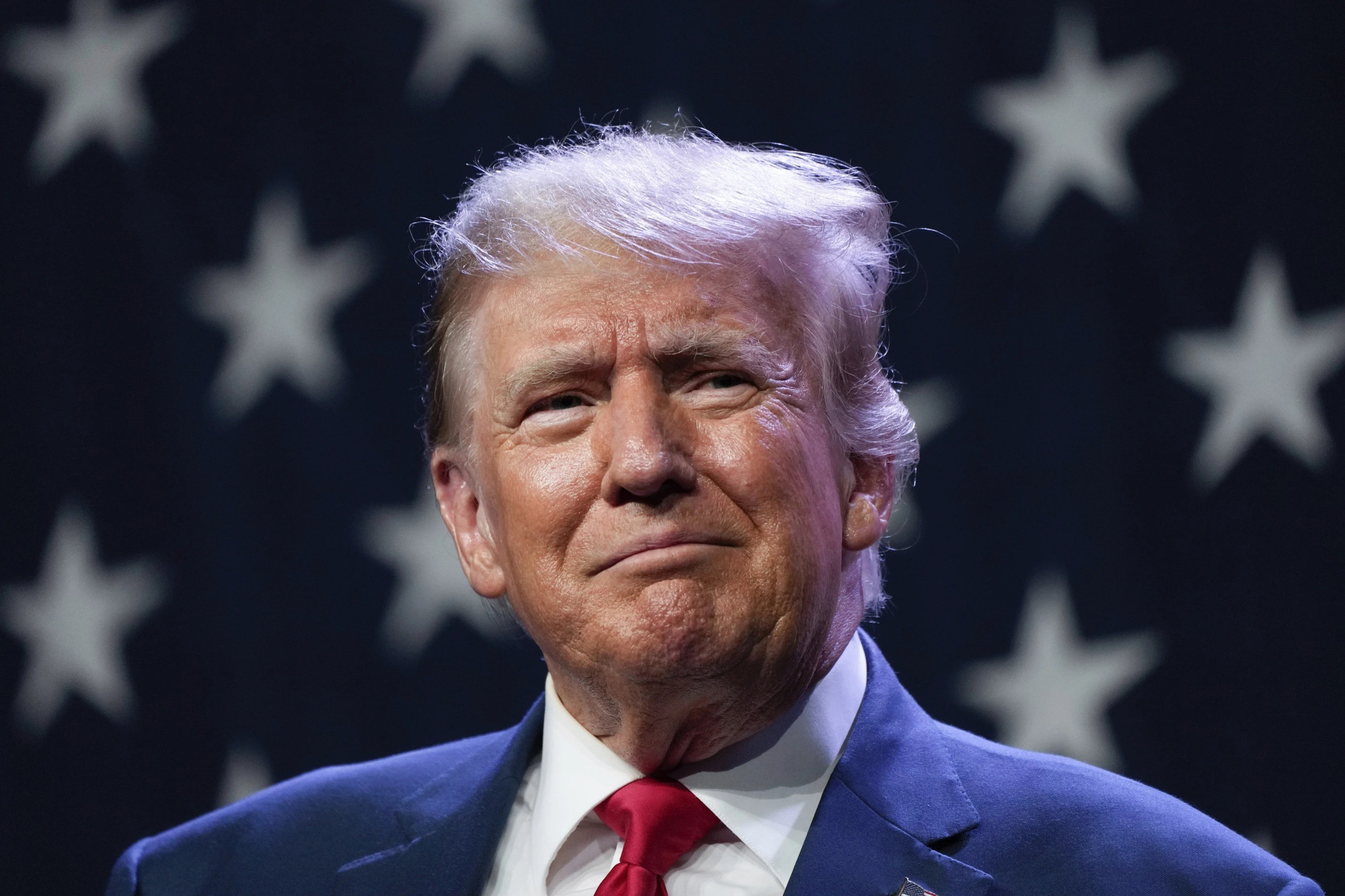
Settlement payments, particularly those connected to Epstein’s accusers, have drawn congressional attention. While some payments were made by Epstein directly, others appear to have involved intermediaries or estate-managed transactions. The shifting testimony of Richard Khan highlights both the complexity and the opacity of these financial arrangements.
These financial inquiries also intersect with broader concerns about transparency and public trust. Lawmakers and investigators aim not merely to assign blame but to ensure that any attempts to conceal wrongdoing, manipulate settlements, or evade oversight are fully documented. The aim is to create a permanent public record, shedding light on the mechanisms that allowed Epstein and his associates to operate with impunity for decades.
The Role of Media and Public Awareness
Throughout this evolving story, media coverage and public engagement have played critical roles. While global events, such as conflicts abroad, briefly distracted attention, investigative journalists and live reporting have ensured that the story continues to gain traction.
Search trends, headlines, and public interest metrics demonstrate that attempts to bury Epstein’s legacy temporarily fail. The public remains engaged, demanding accountability not only for the crimes themselves but for systemic failures that allowed these crimes to persist. The narrative has shifted from mere scandal to a complex investigation of power, wealth, and institutional oversight.
Challenges and Early Conclusions
It is important to note that many elements of the ongoing investigations remain preliminary. The work in New Mexico, the deposition of key witnesses like Khan, and the anticipated questioning of high-level officials all aim to construct a coherent narrative from a fragmented record.
The investigation is deliberately contained, with clear timelines for reporting findings to the public. This approach prevents indefinite delays and ensures that survivors, lawmakers, and the public have access to meaningful conclusions. In addition, it provides a framework for identifying legislative gaps and recommending reforms to prevent similar abuses in the future.
While the Epstein estate itself cannot face new criminal charges due to Epstein’s death, the inquiry still has the potential to expose co-conspirators, financial improprieties, and systemic failings. This work could inform both policy changes and potential civil or administrative accountability for those connected to Epstein’s operations.
The Political Dimension
Former President Trump’s repeated attempts to bury the Epstein narrative—through distractions like government shutdowns or global conflicts—illustrate the political dimension of the investigation. Yet, each attempt to sideline the story has backfired, with congressional oversight continuing and media attention intensifying.

The broader implication is that political power and media influence, while significant, cannot indefinitely shield individuals from accountability. Investigators continue to follow the money, track property and estate documents, and examine connections that span decades and continents. The relentless pursuit of evidence underscores the principle that no individual, regardless of position, is above scrutiny when credible allegations and documentation exist.
Looking Ahead
As the House Oversight Committee continues its work, attention will focus on key figures who managed Epstein’s estate, interacted with his properties, or had personal relationships with him. The investigation is multifaceted:
-
Financial trails: tracking payments, settlements, and corporate entities linked to Epstein.
-
Property investigations: examining Zorro Ranch and other sites for evidence of criminal activity.
-
Witness testimony: from accountants, lawyers, and officials like Pam Bondi and Howard Lutnik.
-
Political accountability: potential subpoenas for high-ranking figures, including former presidents.
The goal is not only to uncover specific facts but also to create a transparent, permanent record for survivors and the public. By linking financial transactions, property holdings, and administrative decisions, investigators hope to illuminate the full scope of Epstein’s influence and the mechanisms that allowed him to operate unchecked for so long.

Conclusion
The Epstein investigation demonstrates that truth, no matter how inconvenient or politically sensitive, eventually finds a way to surface. Attempts to distract the public through wars, government shutdowns, or other crises may slow the narrative temporarily, but dedicated oversight, investigative reporting, and public scrutiny ensure that critical questions are answered.
From the sprawling Zorro Ranch in New Mexico to Capitol Hill depositions, the investigation highlights a network of wealth, power, and potential wrongdoing that spans individuals, corporations, and governments. Richard Khan’s testimony, while contradictory in moments, provides vital insight into the financial mechanisms Epstein used, and the ongoing search for accountability remains robust.
For Donald Trump and other high-profile figures tangentially connected to Epstein, the investigation underscores an uncomfortable reality: influence and notoriety do not guarantee immunity. The House Oversight Committee’s work, in conjunction with state investigations and public advocacy, continues to shine a light into one of the darkest and most complex scandals of modern America.
As the inquiry progresses, one thing is clear: the Epstein story refuses to be buried. With New Mexico searches, congressional depositions, and ongoing analysis of estate and financial records, the narrative keeps expanding. What was once confined to private scandal is now a public reckoning, reminding Americans that accountability is relentless, persistent, and, ultimately, unavoidable.