Former U.S. President Donald Trump is currently navigating a significant legal and financial hurdle following a civil fraud ruling in New York that has drawn widespread attention from both legal experts and the public.
The case originated from a lawsuit filed by New York Attorney General Letitia James, who accused Trump and his business organization of misrepresenting the value of various real estate assets over a number of years. According to the allegations, these valuations were used to secure more favorable terms on loans and insurance agreements.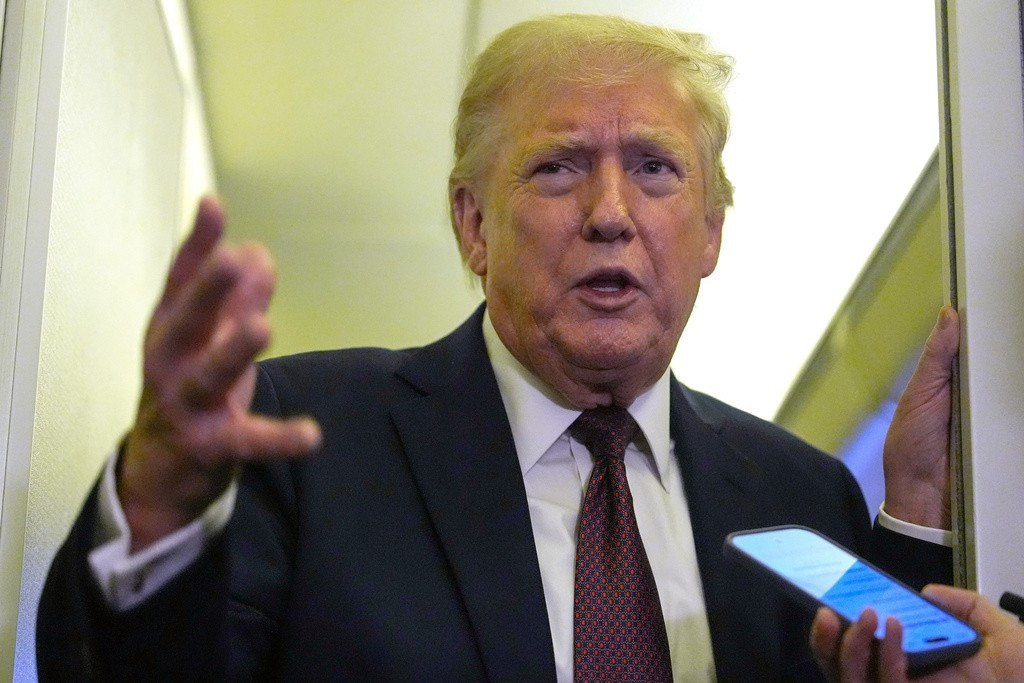
After a lengthy legal process, Judge Arthur Engoron ruled against Trump, ordering him to pay approximately $354 million in penalties. With interest and additional costs, the total financial obligation has reportedly grown to exceed $450 million.
As part of the appeals process, Trump is required to post a bond—essentially a financial guarantee that ensures payment if the appeal is unsuccessful. However, securing such a bond at this scale has proven to be a major challenge.
Reports indicate that multiple insurance and surety companies have declined to underwrite the bond. While the exact number of firms involved has not been independently verified in all cases, it is widely understood that securing a bond of this magnitude is highly complex. Surety providers typically require substantial, verifiable collateral, and they carefully assess the liquidity and reliability of pledged assets before agreeing to such arrangements.
This situation has placed Trump in a difficult position. Without the bond, his ability to proceed with an appeal could be affected. More immediately, failure to meet court-imposed financial requirements by the deadline could allow state authorities to begin enforcement actions. These may include placing liens on properties, freezing certain financial accounts, or pursuing other legal avenues to secure payment.
Legal analysts emphasize that such enforcement measures are standard procedure in civil cases of this nature, particularly when large financial judgments are involved. However, the scale and high-profile nature of this case make it especially notable.
One aspect drawing attention is the broader discussion around asset valuation. The case itself centers on claims that property values were overstated in financial statements. Now, in the context of securing a bond, those same assets are being scrutinized under stricter standards by financial institutions. This contrast has been widely discussed by commentators, though interpretations vary depending on legal and political perspectives.
Supporters of Trump argue that the case is politically motivated and that the financial requirements imposed are unusually burdensome. Critics, on the other hand, view the situation as a reflection of legal accountability and the enforcement of financial transparency standards.
As the deadline approaches, attention is focused on whether Trump’s legal team can secure a bond, negotiate alternative arrangements, or seek relief from the courts. In some cases, courts may adjust bond requirements or timelines, though such decisions depend on specific legal arguments and judicial discretion.
The outcome of this situation could have significant implications—not only for Trump’s financial standing but also for the broader legal proceedings. It may also influence how similar high-value civil cases are handled in the future.
For now, the case remains ongoing, and key developments are expected in the coming days as both legal teams and financial institutions continue to assess their options.