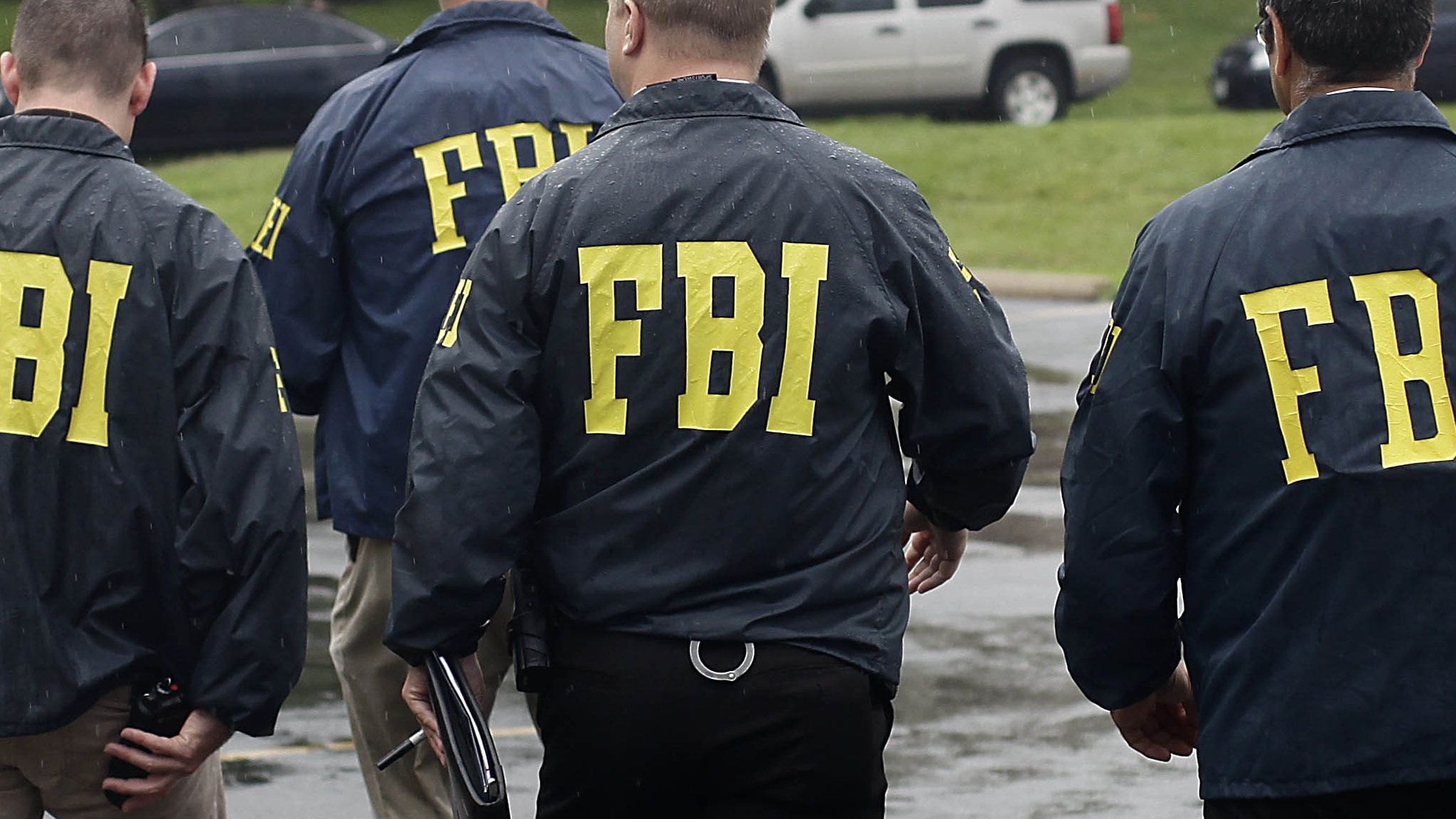
Federal law enforcement agencies have conducted a major operation in Ohio, resulting in the arrest of 29 individuals suspected of involvement in a sophisticated drug trafficking organization with connections to overseas chemical suppliers, primarily in China. The coordinated raids, involving multiple agencies, targeted locations across the state and led to the seizure of approximately 139 kilograms of narcotics, along with related equipment and assets.

The group is described by investigators as operating more like a technology-driven chemical enterprise than a traditional street-level cartel. According to officials, the network imported precursor chemicals from international sources, synthesized synthetic opioids—primarily fentanyl—and methamphetamine within the United States, and distributed the finished products through channels that often appeared as legitimate commercial operations. This approach allowed the organization to integrate into existing logistics and business frameworks, complicating detection efforts.
The investigation, which drew on intelligence from various federal entities including the Drug Enforcement Administration (DEA), Federal Bureau of Investigation (FBI), and other partners, focused on the upstream elements of the synthetic drug supply chain. Precursor chemicals, essential for manufacturing potent opioids and stimulants, were allegedly sourced from foreign entities and shipped into the country under the guise of legitimate trade. Once inside the U.S., these materials were processed in clandestine facilities to produce high-purity synthetic drugs, which were then moved through distribution networks serving communities in Ohio and potentially beyond.
Officials emphasized that the operation underscores the shift in how synthetic narcotics are produced and trafficked. Unlike plant-based drugs such as heroin or cocaine, which rely on agricultural cultivation in specific regions, synthetic opioids and methamphetamine can be manufactured in industrial or semi-industrial settings using readily available chemical inputs. This model reduces dependence on traditional smuggling routes from Latin America and enables production closer to consumer markets, potentially lowering costs and increasing efficiency for traffickers.
The arrests include both U.S.-based facilitators and individuals linked to overseas suppliers. In related announcements from federal authorities, indictments have targeted U.S. citizens accused of serving as key distributors of cutting agents—substances used to dilute or enhance drug potency—and Chinese nationals along with affiliated companies accused of knowingly supplying illicit materials. These companies reportedly presented themselves as legitimate pharmaceutical or chemical providers through online platforms, accepting payments via cryptocurrency and conventional financial channels to obscure transactions.
Seizures in the operation included large quantities of finished narcotics, which authorities noted could have devastating public health consequences if distributed. Synthetic opioids like fentanyl remain the leading driver of overdose deaths in the United States, with their extreme potency requiring only minute quantities to produce lethal effects. Methamphetamine production, often tied to similar precursor networks, has also seen a resurgence in domestic manufacturing capabilities.
This case aligns with broader U.S. efforts to address the flow of precursor chemicals from China, where many industrial-scale producers of the necessary compounds are located. Over recent years, diplomatic and enforcement initiatives have sought greater cooperation from Chinese authorities to regulate exports of scheduled substances, though challenges persist due to differences in regulatory frameworks and enforcement priorities. U.S. officials have pursued sanctions against specific entities, red notices through international channels for fugitives, and disruptions to financial pathways used in these transactions.
The multi-agency nature of the raids reflects the complexity of modern drug trafficking investigations. Coordination among federal, state, and local partners is essential when operations span international borders, involve advanced concealment methods, and require forensic analysis of chemical processes. Investigators utilized surveillance, financial tracking, and intelligence-sharing to map the network’s structure, from importation points to domestic production sites and distribution endpoints.
Public health experts have long warned that synthetic drugs pose unique risks compared to traditional narcotics. Their consistency in potency—often far higher than street-level heroin or cocaine—contributes to higher rates of accidental overdose. The integration of fentanyl into other drug supplies, including counterfeit pills mimicking prescription medications, has further amplified the crisis.
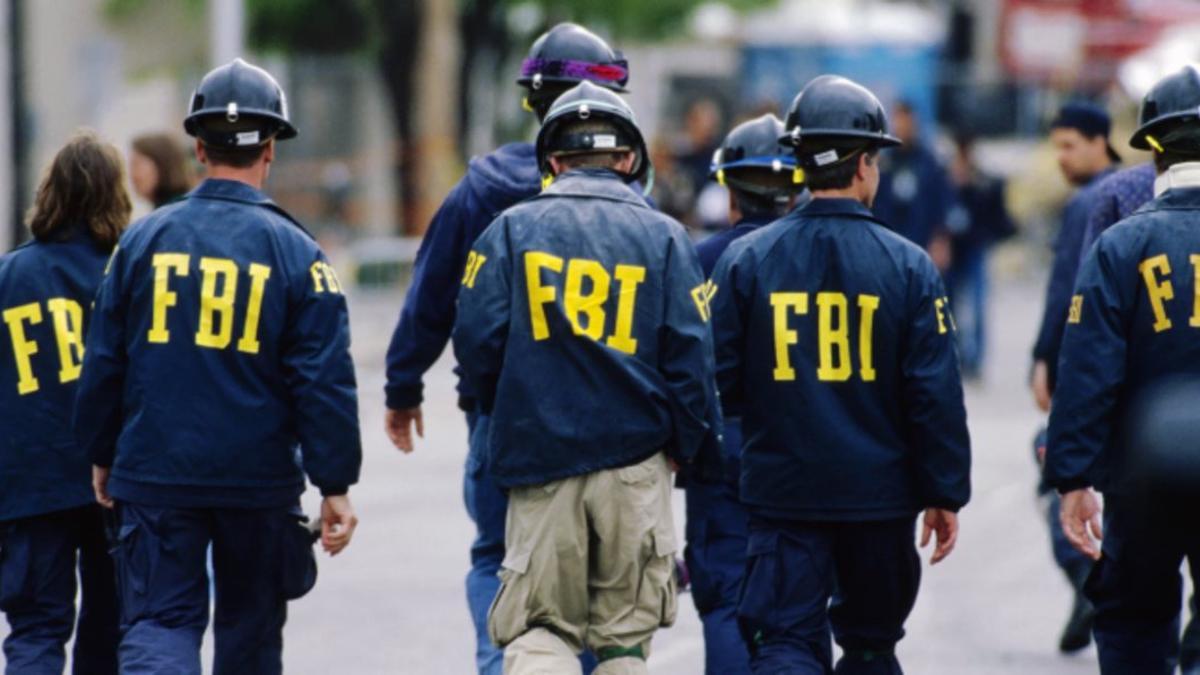
Law enforcement sources indicate that operations like this one aim not only to remove immediate threats but also to deter future attempts by disrupting key nodes in the supply chain. By targeting upstream suppliers and domestic facilitators, authorities seek to increase the operational costs and risks for such networks.
The investigation remains ongoing, with potential for additional charges or arrests as forensic examinations and interviews continue. Federal prosecutors have emphasized a commitment to pursuing all links in the chain, from foreign chemical manufacturers to street-level distributors.
This development occurs amid persistent national concern over synthetic opioid overdoses, which continue to claim tens of thousands of lives annually. While progress has been made in some areas—such as increased border interdictions and regulatory controls on certain precursors—the adaptability of trafficking organizations requires sustained, multifaceted responses.