Hearing on Epstein Files Exposes Sharp Divide Over Transparency and Victims’ Credibility

WASHINGTON — A tense congressional hearing this week revived longstanding questions about transparency in the federal investigation into convicted sex offender Jeffrey Epstein and the handling of evidence connected to powerful individuals whose names have appeared in his orbit.
The confrontation unfolded during questioning of FBI Director Kash Patel by Representative Pramila Jayapal, a Democrat from Washington, who pressed the bureau’s leader on whether he believed the women who say they were abused within Epstein’s trafficking network.
What might appear to be a straightforward question — whether the survivors were credible — became the central flashpoint of the hearing.
Jayapal began by referencing Patel’s earlier public statements about Epstein’s records, including remarks made before he assumed leadership of the FBI. In interviews and public comments in 2023 and 2025, Patel had spoken forcefully about the need for transparency in the case, promising that there would be “no coverups” and that the public would receive every piece of information the government could legally disclose.
But Jayapal suggested that position had changed.
She cited a July memorandum issued jointly with Attorney General Pam Bondi stating that investigators had reviewed hundreds of gigabytes of digital data and physical evidence connected to the Epstein investigation but had concluded that additional disclosures were not warranted.
The shift, Jayapal argued, raised questions about whether political considerations were influencing the handling of the files — particularly given reports that the name of President ŤRUMP appeared within the broader collection of Epstein-related records.

Patel rejected the suggestion that political pressure had influenced the bureau’s decisions.
Throughout the exchange, he maintained that investigators were working with the same evidence previously reviewed by earlier administrations, including those under Presidents Barack Obama and Joe Biden. According to Patel, those earlier Justice Departments had reached similar conclusions about the evidentiary value of the materials.
“The evidence we have is the same evidence that previous administrations had,” Patel said, adding that the FBI continues to invite anyone with new information to come forward.
Yet Jayapal repeatedly returned to a narrower question: whether the women who say they were trafficked and abused within Epstein’s network should be believed.
For several minutes, Patel did not give a direct yes-or-no response.
Instead, he emphasized the bureau’s investigative process, stating that the FBI evaluates allegations through evidence and corroboration. He also pointed to enforcement statistics and said the bureau had welcomed more new investigative leads during his tenure than in previous periods.
Jayapal countered that her question was not about investigative procedure but about the credibility of survivors themselves.
“Are these women credible?” she asked again.
Patel responded that he was focused on the evidence contained within official investigative files.
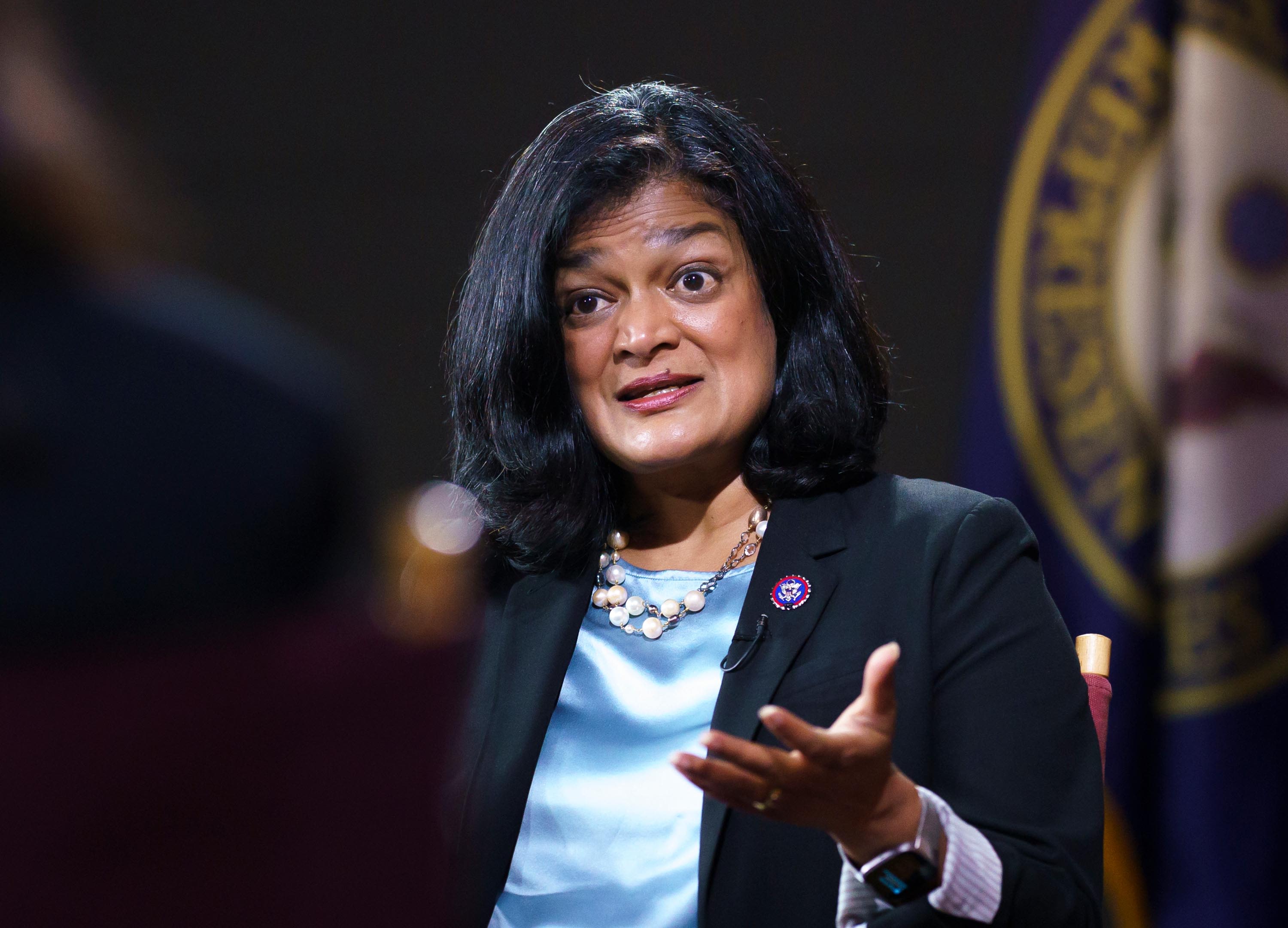
The exchange grew increasingly heated as Jayapal accused Patel of avoiding the question. At one point, she entered her own interpretation into the hearing record, saying that Patel’s refusal to answer effectively suggested that the victims were not credible.
Patel objected to that characterization, telling the congresswoman not to misrepresent his statements.
The hearing reached its most tense moment when Jayapal said several survivors had recently traveled to Washington seeking meetings with federal officials, including the president and the FBI director, to share their experiences and request further investigation.
She asked Patel directly whether he had met with them.
Once again, the director did not give a clear yes-or-no answer, instead repeating that his responsibility was to invite credible information from anyone willing to provide it.
The disagreement reflected a broader divide that has surrounded the Epstein case for years: whether existing evidence has been fully examined and disclosed, and whether survivors have been adequately heard within the investigative process.
Epstein, who died in federal custody in 2019 while awaiting trial on sex trafficking charges, left behind a web of financial records, personal contacts, and allegations involving wealthy and politically connected figures. The continuing debate over those records has fueled demands from lawmakers and advocacy groups for greater transparency.
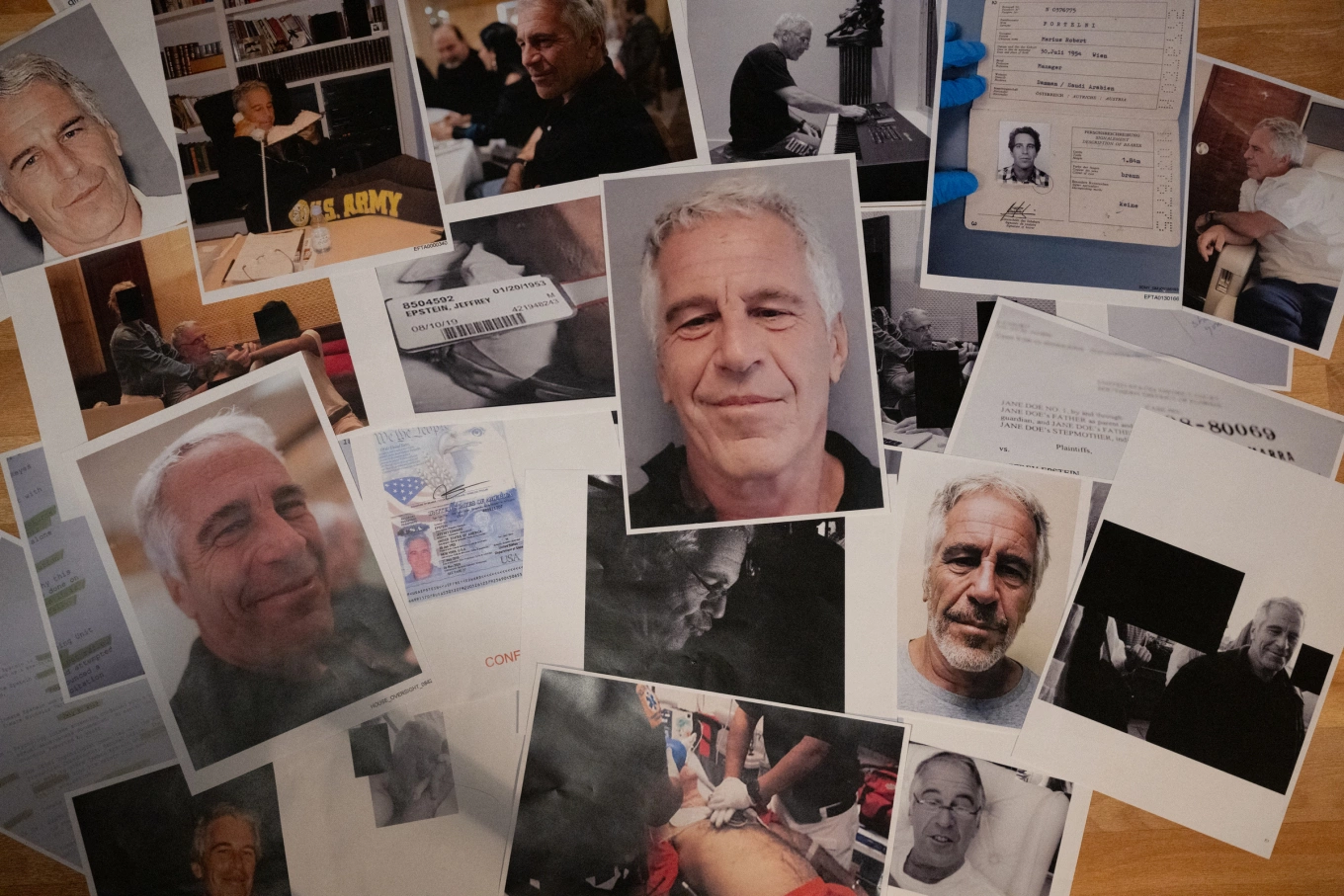
For Jayapal and several other members of Congress, the central issue is whether survivors’ testimony is being treated as new evidence deserving renewed scrutiny.
For Patel, the issue appears to be whether that testimony materially differs from information previously reviewed by investigators.
Neither side resolved the dispute during the limited time allotted for questioning.
But the exchange underscored how the Epstein investigation — years after the financier’s death — continues to provoke political conflict, public suspicion, and unresolved questions about accountability.
In the hearing room, the most consequential question remained the simplest one: whether the voices of those who say they were harmed are being fully acknowledged by the institutions charged with investigating their claims.