Survivors Stand in Tense DOJ Hearing as Jayapal Demands Accountability from Attorney General Bondi
A routine congressional oversight hearing on Jeffrey Epstein case files transformed into a raw and emotional confrontation. Survivors of Epstein’s trafficking network were asked to stand, shifting the focus from legal documents to the human cost of institutional failures. The room’s atmosphere changed instantly.
Representative Pramila Jayapal opened not with policy jargon but with direct recognition of the survivors seated behind Attorney General Pam Bondi. She emphasized their courage in appearing before a committee where power has long seemed hesitant to fully confront the past.
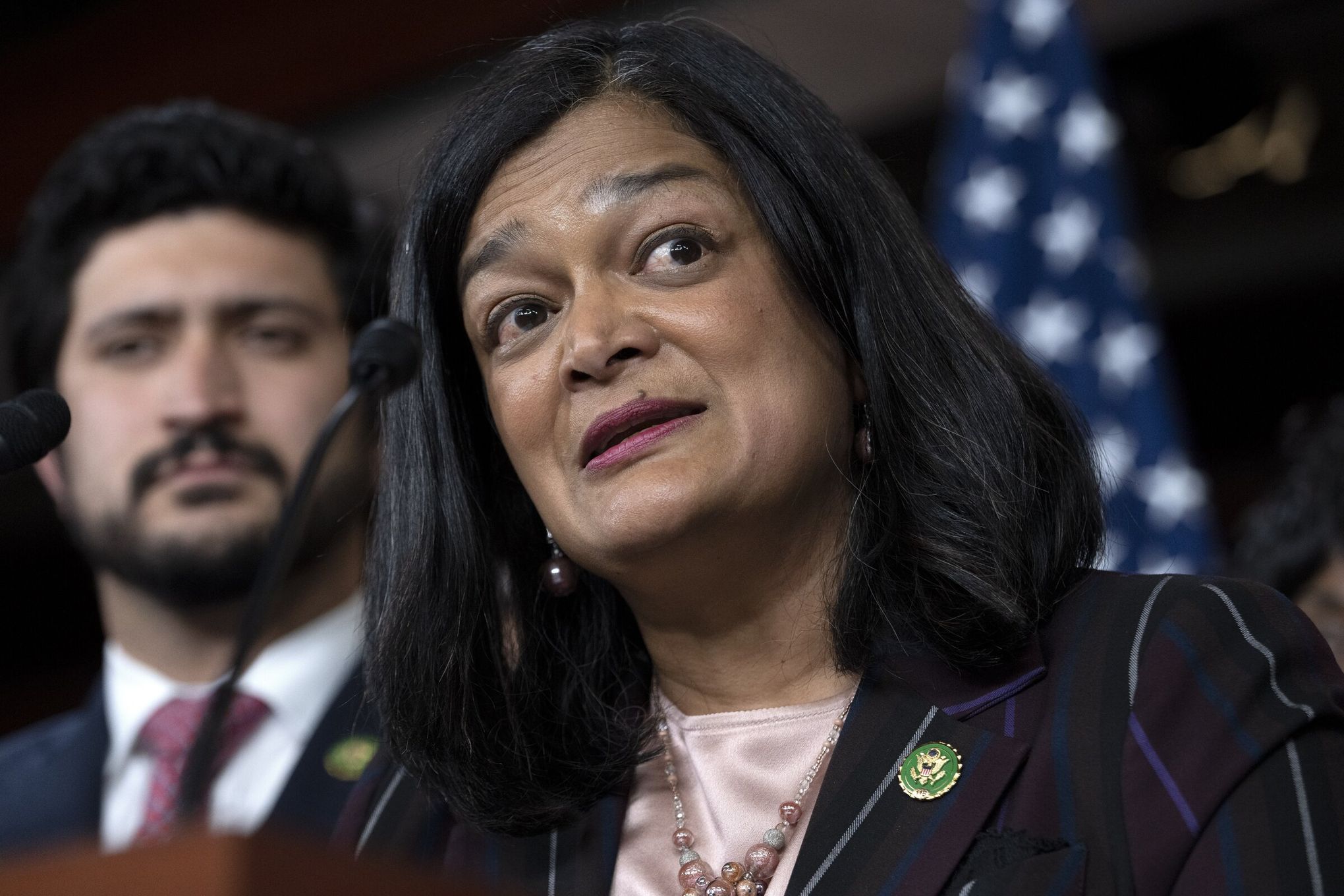
Jayapal built her argument around a stark contrast. Congress had mandated the Department of Justice to release information on perpetrators while safeguarding survivor identities. Yet critics alleged the opposite occurred—powerful names remained shielded while survivors’ sensitive details were inadequately protected.
She cited specific claims of exposed contact information, lists, and even intimate images belonging to victims. These accusations suggested negligence bordering on cruelty, reversing the intended priorities of justice and transparency in the handling of Epstein-related materials.
The turning point arrived when Jayapal invited the survivors to rise if they were willing. She then asked those still waiting to meet with the Department of Justice about mishandled files to raise their hands. Several stood and raised their hands, creating a powerful visual in the hearing room.
That single image—survivors standing just feet from officials—stripped away procedural distance. The discussion could no longer remain abstract; it centered on real people whose pain had been prolonged by what they described as institutional mishandling.
Jayapal pressed Attorney General Bondi with a direct question: Would she turn and apologize to the survivors, not for Epstein’s crimes, but for the Justice Department’s alleged failures in protecting their privacy during document releases?
Bondi declined to offer an apology. She responded with explanations, comparisons to previous administrations, and references to ongoing processes. To many observers, the reply felt emotionally detached in the charged moment.
Jayapal refused to let the issue dissolve into procedural deflection. She reclaimed her time multiple times, insisting responsibility rested with the current leadership, not past ones, especially with survivors physically present and waiting for acknowledgment.
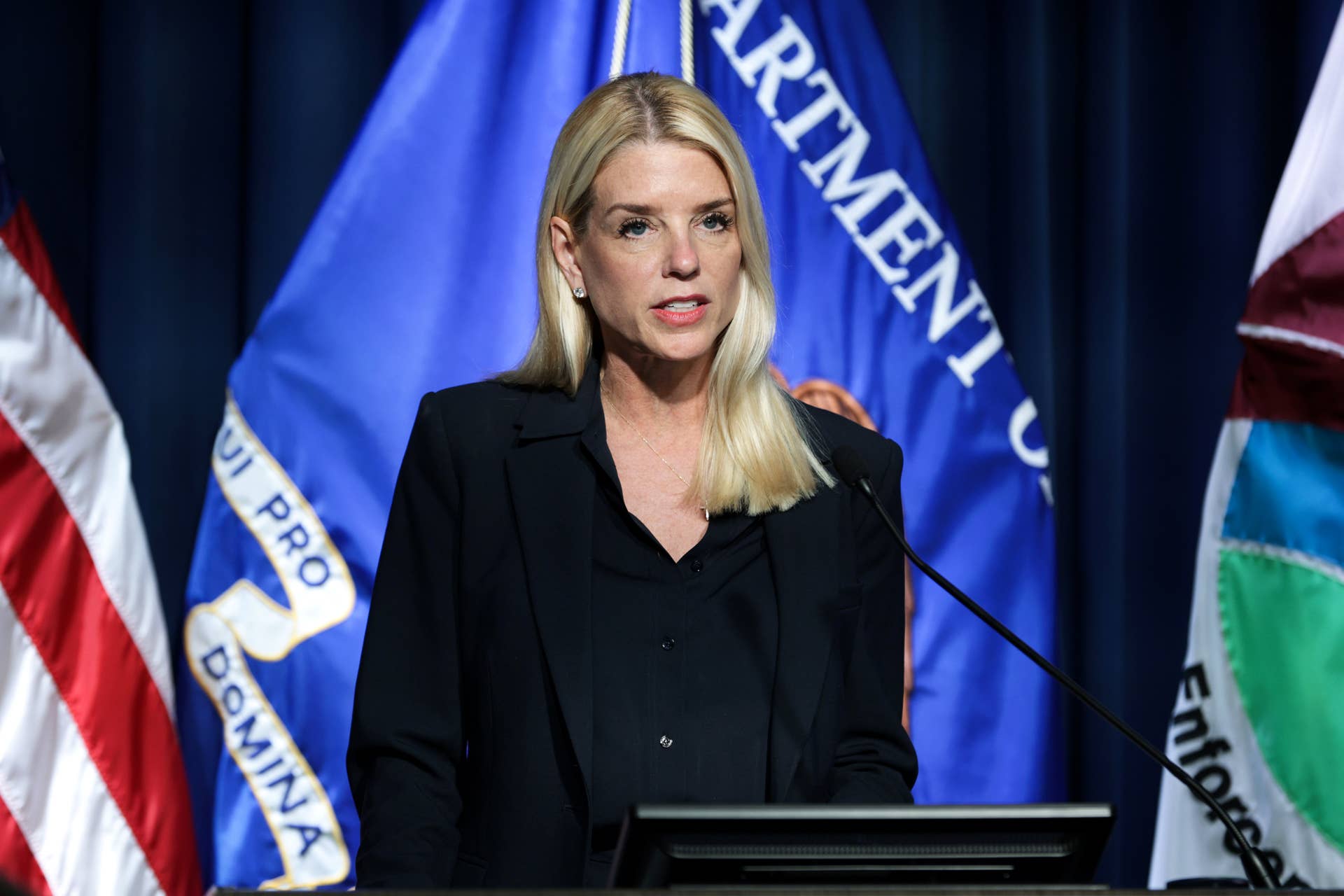
The chairman eventually invoked order, allowing Bondi to continue her responses as desired. Yet the survivors remained standing, their presence a persistent reminder that rules and timing could not fully diffuse the moral weight of the exchange.
Defenders of Bondi described the moment as congressional theater, arguing that oversight hearings often feature dramatic gestures designed for maximum impact. They maintained that complex administrative decisions were being framed in inflammatory terms.
Critics, however, saw something deeper. The refusal to offer even a simple acknowledgment signaled institutional priorities that still appeared to favor caution over direct accountability to those most harmed.
The scene spread rapidly online, amplified by video clips capturing the survivors standing while officials avoided the requested apology. It fueled nationwide discussions about transparency, victims’ rights, and lingering suspicions surrounding the Epstein case.

Many pointed to a persistent public mistrust: each document release seems to generate as much suspicion as resolution. Questions linger about whether the system continues to protect influence while leaving the vulnerable exposed.
Jayapal’s approach disrupted the familiar pattern of treating survivors as symbolic figures rather than individuals deserving immediate recognition. Her demand was for present accountability, not deferred bureaucratic gestures.
The hearing ultimately illustrated how institutions often respond when confronted with moral discomfort. They turn to procedure, decorum, and historical context to regain control of the narrative and lower the emotional temperature.
Yet the image of survivors standing refused to fade. It remained in the chamber and traveled far beyond through every shared clip and reaction, becoming a lasting symbol of the gap between official language and lived experience.
The Epstein saga continues to feel unresolved—too many names, too many files, too many unanswered questions. Each hearing revives fears that justice fractures when wealth, power, and proximity are involved.
Jayapal’s confrontation did not resolve those deeper issues. Instead, it made them visible once more in a room where survivors were no longer background elements but central figures demanding to be seen and heard.
That moment now belongs to the public memory. It stands as a quiet but powerful judgment on what accountability truly requires—not eventually, not in redacted form, but directly and without evasion when the harmed are standing right there.