💔 “He Was Only 37… And Suddenly, Our World Stopped.”
The Death of ICU Nurse Alex Pretti—and the Questions That Refuse to Fade
MINNEAPOLIS — He was 37 years old when everything ended. No warning. No final goodbye. Just a moment on a Minneapolis street that would change a family forever and ignite a national reckoning.
Those words did not come from a political strategist or activist. They came from a mother — her voice shaking as she described the instant her world collapsed with the death of her son, Alex Pretti, an ICU nurse whose life was taken during a protest that would later dominate headlines across the country.
To the public, Alex became another name in a fast-moving news cycle, tied to footage, protests, and official statements. But at home, his family waited for a phone call that never came. They scrolled through videos no parent should ever have to watch, trying to understand how a man who spent his life saving others could die while trying to help someone else.
By day, Alex Pretti cared for critically ill veterans in intensive care units — patients whose lives often hung in the balance. Colleagues described him as calm under pressure, deeply compassionate, and fiercely protective of those who could not protect themselves. He believed caregiving was not just a profession, but a responsibility.
By night, he stood for justice.
Friends say Alex never sought attention. He attended protests quietly, often filming, documenting, and stepping in when someone needed help. On the night he died, he was doing exactly that — recording events and moving toward a woman who had been knocked to the ground.
Minutes later, he was gone.
What followed was confusion, contradiction, and pain. Early official statements described Alex as a threat. Video evidence circulating online appeared to show something very different. Witnesses challenged the narrative. His parents publicly rejected claims made about their son, calling them devastating and untrue.
“We raised a healer,” his father said. “Not a criminal. Not a danger.”
As protests erupted across Minneapolis and spread nationwide, Alex’s name became a symbol — not of chaos, but of unanswered questions. Thousands gathered in freezing temperatures, holding candles, signs, and photos of a man many had never met but felt compelled to defend.
The story struck a nerve far beyond Minnesota.
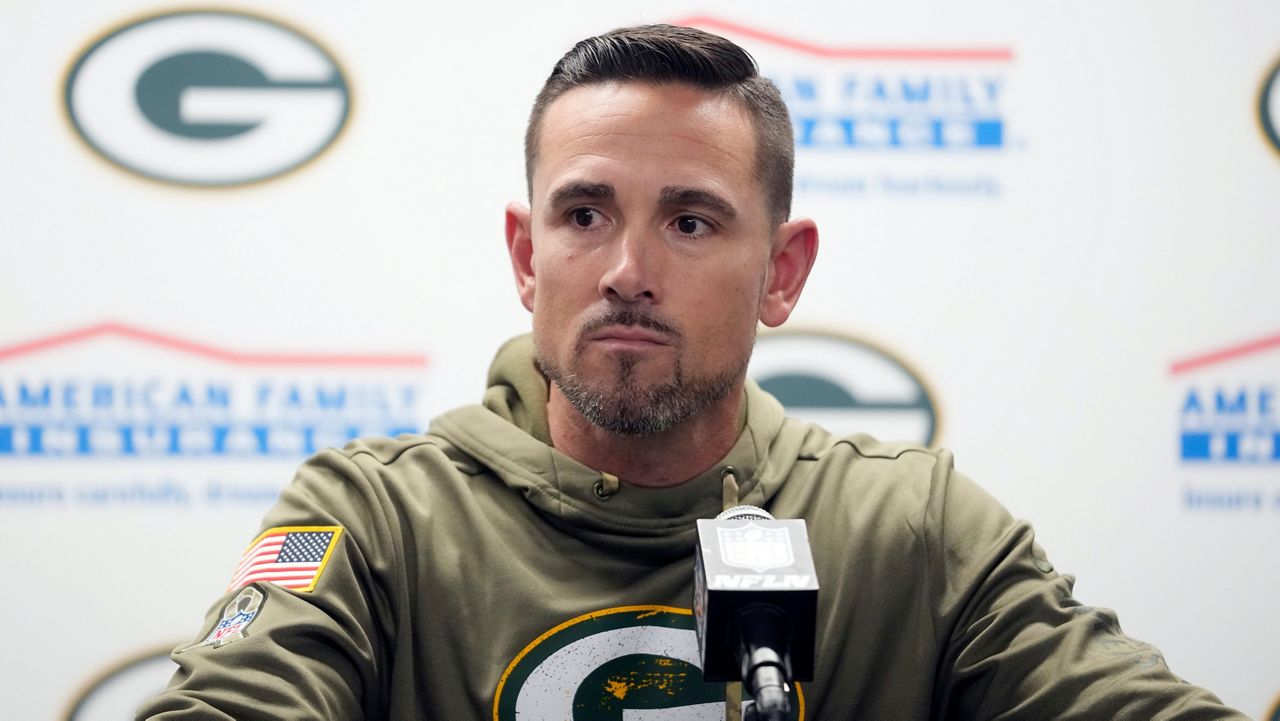
Former players, coaches, and public figures weighed in. Green Bay Packers head coach Matt LaFleur, who had known Alex through community connections, once praised him privately for standing up to systemic force and speaking truth to power — long before the night that ended his life. That praise resurfaced as people tried to reconcile who Alex was with how he was portrayed.
Eventually, federal authorities announced a civil rights investigation into the shooting. For many, it was a critical step — but not closure. Investigations take time. Grief does not wait.
Then, just as momentum built and the nation listened closely, something changed.
The story slowed. Coverage thinned. New headlines replaced old ones. And for Alex’s family, the silence became its own kind of wound.
“We’re still here,” his mother said quietly. “We still don’t have answers.”
What remains is a portrait of a man defined not by the moment he died, but by how he lived — caring for veterans, standing for justice, and believing that ordinary people could make a difference simply by showing up.
Alex Pretti was only 37.
And for his family, that was the moment their world stopped — even if the rest of the country moved on.