The city of Minneapolis is once again at the center of national attention following the fatal shooting of intensive care nurse Alex Pretti during protests connected to ongoing immigration enforcement operations. As grief and anger ripple through the community, Minnesota Vikings star wide receiver Justin Jefferson has spoken out, urging calm, peaceful dialogue, and a careful investigation into the tragic events.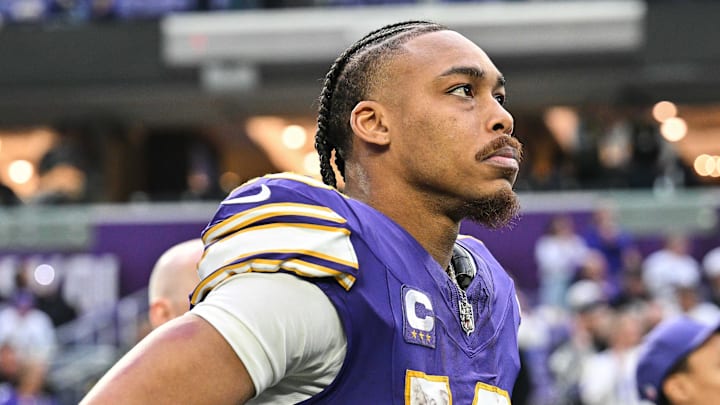
Alex Pretti, a well-known ICU nurse described by colleagues as compassionate and deeply committed to his patients, was killed amid heightened tensions during demonstrations that erupted in response to recent federal immigration actions. Witnesses reported chaotic scenes as protesters gathered to voice opposition, while law enforcement attempted to control the situation. The circumstances surrounding Pretti’s death remain under investigation, but the incident has intensified public outrage and renewed debate over the use of force during protests.
Justin Jefferson, one of the NFL’s most prominent figures and a cornerstone of the Vikings franchise, addressed the tragedy with a message that emphasized humanity over division. In a brief but powerful statement, Jefferson expressed deep sorrow over the loss of life and called on all parties to prioritize peace, understanding, and accountability.
“Every life matters,” Jefferson said, stressing that moments like this demand restraint and thoughtful action rather than escalation. He urged community leaders, law enforcement officials, and citizens to work together to uncover the truth and pursue justice through lawful and constructive means.
Jefferson’s comments resonated strongly with fans and residents of Minnesota, many of whom view him not only as a sports star but also as a respected voice within the community. While some public figures have taken sharply polarized positions, Jefferson’s tone stood out for its focus on unity and healing during a deeply painful moment.
The shooting of Pretti has sparked days of protests across Minneapolis, with demonstrators demanding accountability and transparency. Healthcare workers have also joined vigils and marches, honoring Pretti’s service and calling attention to the dangers faced by civilians caught in volatile law-enforcement operations. For many, his death symbolizes broader concerns about civil liberties, public safety, and the boundaries of authority during protests.
Inside the sports world, Jefferson is not alone in expressing concern. Athletes across leagues have increasingly used their platforms to comment on social justice issues, recognizing their influence beyond the field. However, Jefferson’s message avoided inflammatory language, instead appealing to shared values and collective responsibility.
Local officials have promised a thorough review of the incident, stating that all available evidence will be examined to determine exactly how events unfolded. Federal agencies involved have also indicated that internal investigations are underway. Still, skepticism remains high among community members who have witnessed similar incidents in the past.
For many Minnesotans, the emotional weight of the tragedy is compounded by a long history of tension between law enforcement and protesters in the city. The loss of a healthcare worker — someone whose profession centers on saving lives — has added a particularly painful dimension to the unfolding story.
As the investigation continues, Jefferson’s call for calm stands as a reminder of the role empathy can play in moments of crisis. His message does not attempt to resolve complex political debates, but instead focuses on the immediate human cost of violence and the need for dialogue rather than confrontation.
In a time marked by anger, fear, and grief, Jefferson’s words reflect a hope shared by many: that justice can be pursued without further loss of life, and that communities can move forward through understanding rather than division. Whether that hope is realized will depend on the actions taken in the days ahead — by leaders, by institutions, and by the public itself.