Despite a noticeable dip in form toward the end of the season, Kevin O’Connell, head coach of the Minnesota Vikings, has publicly laid out three key reasons why he believes he “deserves a chance” to return for the 2026 campaign. His comments come amid growing speculation around his future, as the Vikings weigh continuity against frustration following a promising start that failed to carry through the final stretch.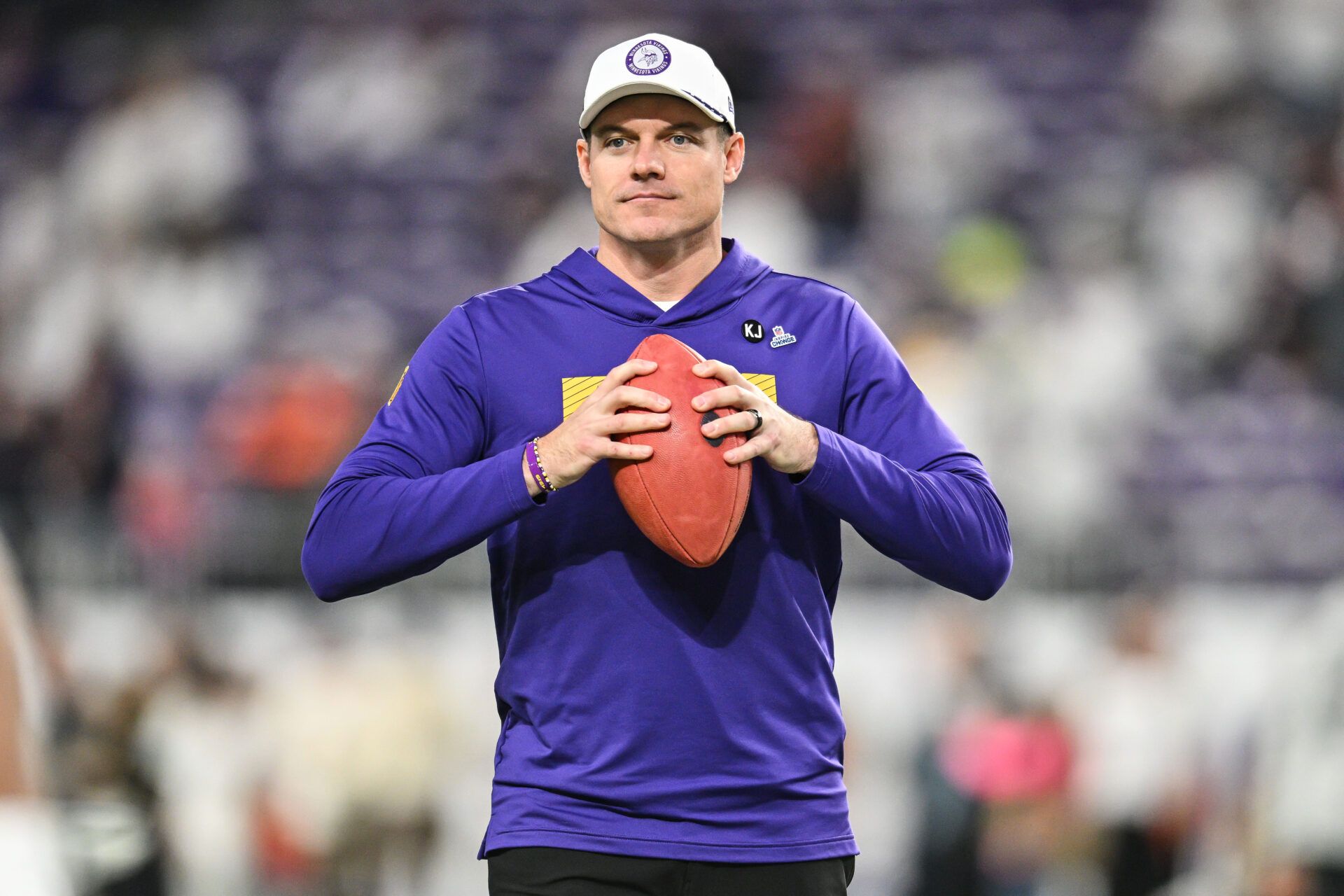
O’Connell, who guided Minnesota through a season marked by flashes of creativity and resilience, acknowledged the disappointment surrounding the team’s late-season performances. However, he framed the downturn as part of a broader process rather than a definitive verdict on his tenure. According to those close to the organization, the coach has emphasized progress beneath the surface, even if the final results failed to meet expectations.
First, O’Connell points to the foundation he has built within the locker room.
From his arrival, he prioritized culture, communication, and trust—elements that players consistently cite as strengths. Despite the late struggles, there was no reported fracture within the squad, no public finger-pointing, and no loss of effort. Veterans and younger players alike continued to buy into the system, an aspect O’Connell believes is critical for long-term success in a league where instability often derails promising rosters. “You don’t tear down a structure that’s holding,” one team source paraphrased his message, “just because the paint needs work.”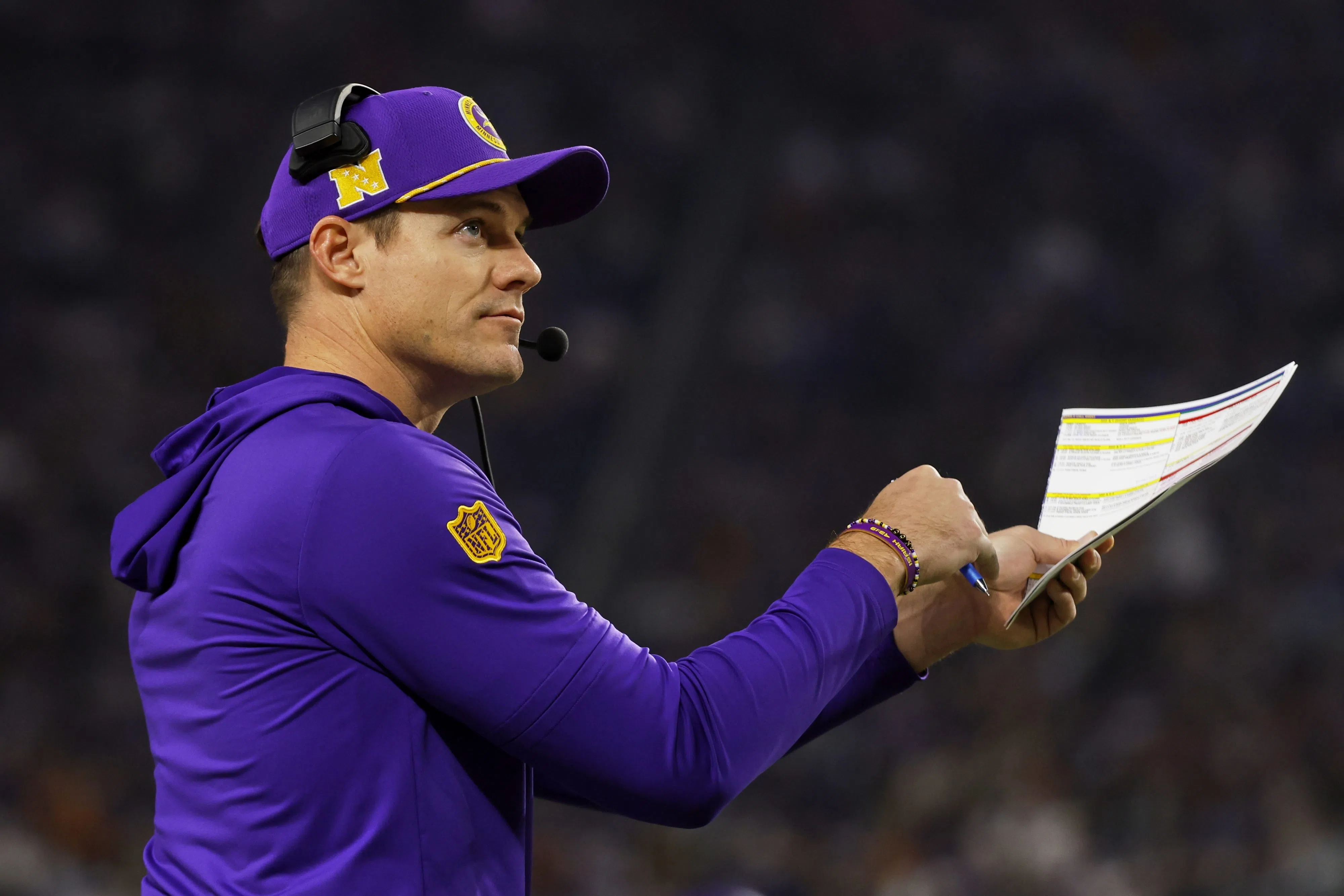
Second, he argues that context matters—especially injuries and roster volatility.
The Vikings faced significant challenges down the stretch, including injuries at key positions and ongoing adjustments on both sides of the ball. O’Connell maintains that the dip in form cannot be evaluated in isolation from these disruptions. While critics point to conservative play-calling or stalled offensive rhythm, the coach counters that adaptability under pressure is not always reflected in the box score. In internal discussions, he has reportedly highlighted games where strategic adjustments kept Minnesota competitive despite depleted personnel
Third, O’Connell stresses the importance of continuity for a young, evolving system.
Modern NFL offenses, particularly those built on timing, spacing, and quarterback-coach synergy, rarely peak instantly. O’Connell believes the Vikings are closer than the record suggests—and that changing leadership now would reset progress at the worst possible moment. He has underscored improvements in situational football earlier in the season and the emergence of younger contributors who benefited from consistent coaching. “The next step,” he argues, “comes from building on what’s already here, not starting over.”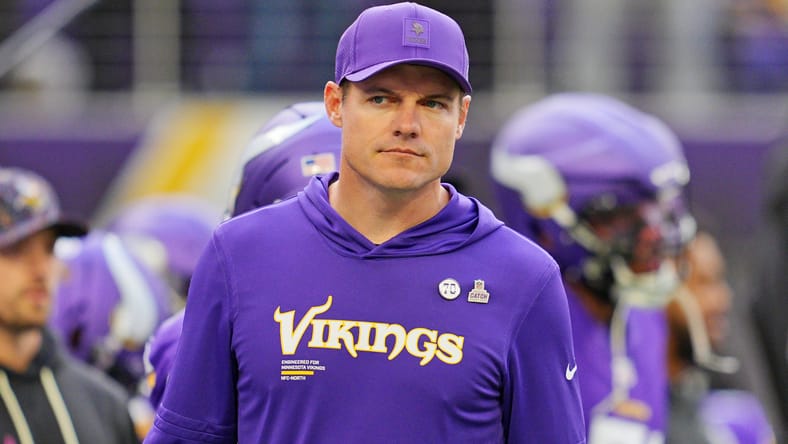
The debate surrounding O’Connell’s future reflects a familiar tension in professional sports: patience versus urgency. Fans and analysts frustrated by the late-season collapse question whether the ceiling has already been reached. Supporters counter that sustained success often follows seasons of adversity, especially when a clear identity has been established
Ultimately, the decision rests with Vikings ownership and the front office, who must determine whether O’Connell’s reasoning outweighs the results on the scoreboard. His case is not built on excuses, but on process—culture, context, and continuity. Whether that argument resonates will shape Minnesota’s direction heading into 2026.
For now, one thing is clear: Kevin O’Connell is not backing away from accountability. Instead, he is asking for trust—one more season to prove that the late stumble was not the end of the story, but a chapter on the way to something stronger.