A viral claim circulating across social media this week sent shockwaves through NFL fan communities, igniting fierce debate and confusion involving Detroit Lions quarterback Jared Goff and the league’s approach to pregame social initiatives.
The allegation — which spread rapidly through online forums, short-form video platforms, and partisan sports commentary — suggested that Goff had refused to wear a pregame armband associated with the NFL’s inclusion initiatives, allegedly criticizing what some posts described as a “forced agenda.”
Within hours, the claim had gone viral.
But as with many online firestorms, the truth proved far more complex — and far less confirmed — than the headlines suggested.

Separating Fact From Viral Narrative
As of this writing, there has been no official confirmation from Jared Goff, the Detroit Lions, or the NFL supporting the claim that Goff rejected any league-issued armband or made any public statement attacking league inclusion efforts.
League sources emphasized that pregame accessories tied to awareness initiatives are optional, and players have historically exercised personal choice without public incident or controversy.
Despite that, the claim gained traction due to its emotionally charged framing — tapping into broader cultural debates that extend far beyond football.
Why the Story Exploded So Quickly
Media analysts point to three reasons the story caught fire:
-
Polarization sells — Content framed around culture wars spreads faster than routine football news.
-
Star quarterbacks amplify attention — Any controversy involving a franchise QB instantly becomes national.
-
Ambiguity fuels outrage — The lack of immediate clarification allowed speculation to fill the vacuum.
Within hours, fans on both sides of the debate were reacting — some praising what they believed was a “stand,” others condemning what they saw as intolerance.
The problem? Much of the conversation was built on assumption rather than verified fact.
The NFL’s Actual Policy on Awareness Initiatives
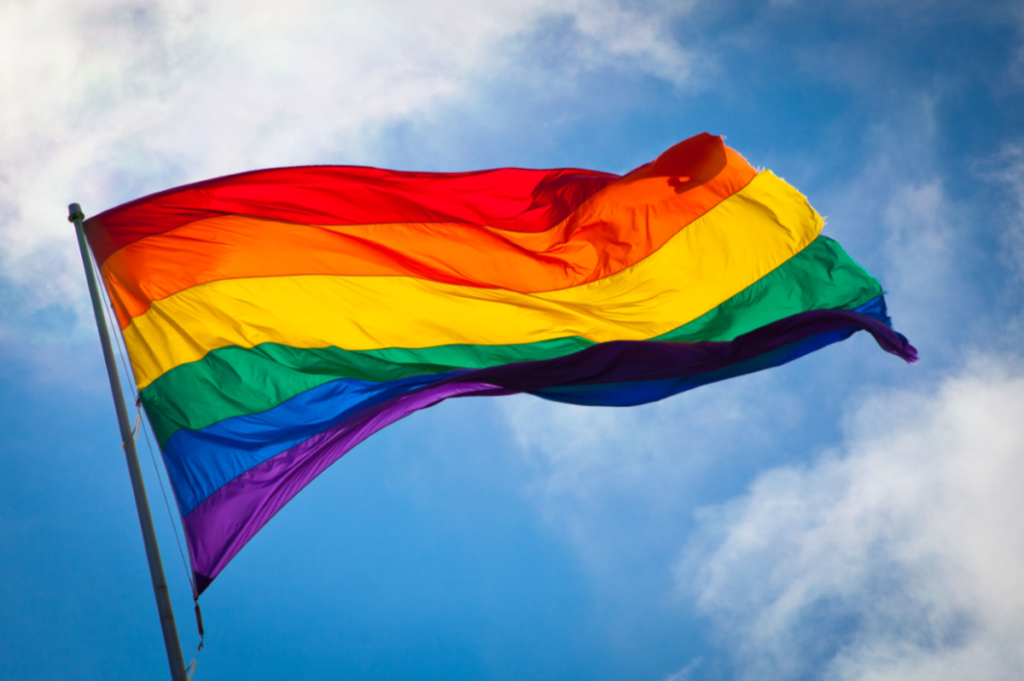
The NFL has consistently stated that its awareness campaigns — including those related to cancer research, military appreciation, and inclusion — are designed to offer visibility, not compel expression.
Historically:
-
Players may opt in or out of wearing specific gear
-
Teams handle participation internally
-
The league avoids publicizing individual decisions unless players choose to speak
In other words, non-participation alone does not equal protest — a distinction often lost in viral discourse.
Silence Does Not Equal Confirmation
Notably, neither Jared Goff nor Lions head coach Dan Campbell addressed the rumor publicly. Media experts caution against interpreting silence as endorsement or denial.
“In today’s environment,” one former team communications director noted, “responding to every viral claim only gives it oxygen.”
That strategy has become increasingly common among NFL organizations seeking to avoid escalating unverified narratives.
Fan Reaction Reflects a Larger Cultural Divide
The reaction to the claim — real or not — revealed more about the fanbase than the player involved.
Some fans expressed frustration with what they perceive as politics entering sports. Others emphasized that inclusion initiatives are about representation, not coercion.
What both sides agreed on: the NFL remains a powerful cultural mirror, reflecting societal tensions whether it intends to or not.

Why Accuracy Matters More Than Ever
In an era where misinformation can spread faster than official statements, sports journalism faces a growing responsibility.
False or exaggerated claims can:
-
Damage reputations
-
Fracture fan communities
-
Distract from on-field performance
-
Undermine trust in credible reporting
That is why major outlets have largely refrained from amplifying the allegation without verification.
The Bigger Picture for the NFL
This episode underscores a critical reality for the league: every gesture, uniform detail, or silence can be politicized, regardless of intent.
As the NFL continues navigating social awareness initiatives, the balance between expression, choice, and public perception will remain delicate.
For now, one thing is clear — there is no verified evidence supporting the viral claim attributed to Jared Goff.
What remains is a cautionary tale about how quickly narratives can spiral when outrage outruns facts.
Final Thought
Football thrives on passion, rivalry, and emotion — but credibility still matters.
Until confirmed by reliable sources, stories like this should be approached with skepticism, context, and restraint.
Because in the NFL — as in journalism — truth is the only thing that actually holds the league together.