In the buildup to Denver’s highly anticipated clash with the Kansas City Chiefs, one storyline threatened to overshadow everything else: comparisons. As Bo Nix continued to show flashes of poise and promise, the football world began reaching for the most familiar template it knows. Was Denver watching the rise of a “second Tom Brady”?
Before the narrative could gain any more momentum, Tom Brady shut it down—firmly, clearly, and without hesitation.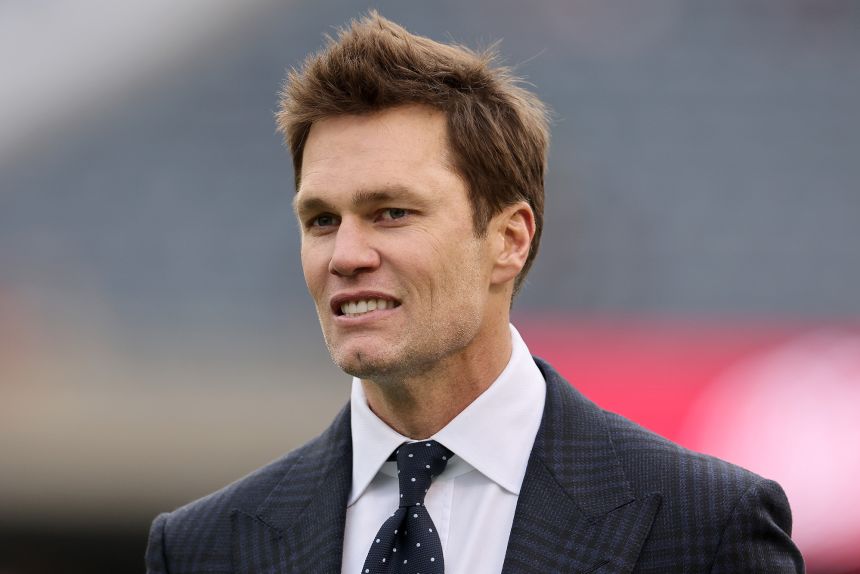
“There is no second Tom Brady,” Brady said when asked about the comparisons. No flattery. No myth-making. No shortcuts. Just a reminder that greatness isn’t inherited through resemblance—it’s built through identity.
Those words landed just hours before kickoff against the Kansas City Chiefs. And minutes later, Bo Nix delivered his response—not with quotes or gestures, but with command.
This wasn’t a quarterback trying to channel a legend. This was a quarterback stepping into himself.
From the opening drive, Nix played with a calm that felt deliberate rather than cautious. Against one of the league’s most disciplined and aggressive defenses, he didn’t rush decisions or force throws. He took what was there, controlled the tempo, and showed a quiet authority that resonated across the field.
There were no hero-ball moments. No desperation. Just control.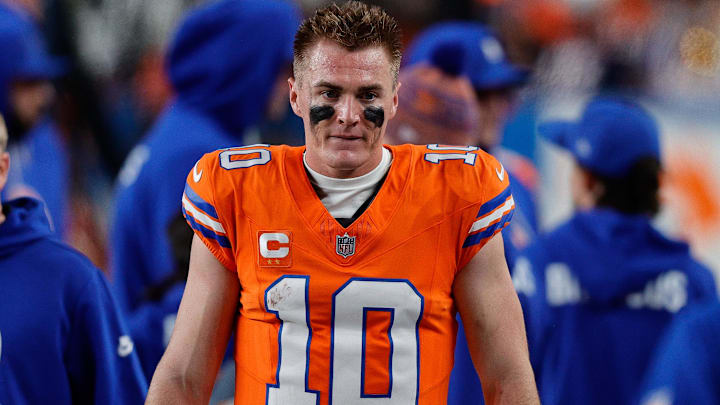
Under pressure, Nix stayed composed. When the pocket collapsed, he moved with purpose. When windows tightened, he trusted timing and execution. It wasn’t flashy—but it was effective. More importantly, it felt sustainable.
For years, Denver has searched for stability at quarterback, cycling through names, systems, and expectations. Every new signal-caller arrived carrying the weight of the past—John Elway’s shadow, Peyton Manning’s legacy, and the franchise’s long hunger for continuity. Nix, however, didn’t look burdened by history.
He looked present.
What stood out most wasn’t a single throw or stat line—it was leadership. Nix communicated constantly with his offense, adjusted protections at the line, and projected confidence even in moments when the Chiefs threatened to seize momentum. Teammates responded. The huddle felt organized. The offense felt intentional.
This was exactly what Brady had hinted at earlier: belief in a future built on identity, not imitation.
Brady’s career defined an era, but even he understands that chasing reflections leads nowhere. His message was never dismissive of Nix—it was protective. By rejecting the “next Brady” label, he cleared space for Nix to grow without unrealistic expectations or borrowed narratives.
And that space mattered.
Because what unfolded on the field wasn’t nostalgia. It was progress.
For the Denver Broncos, this performance carried significance beyond one game. It suggested direction. It hinted at a quarterback who understands the rhythm of the NFL and his role within it. Someone not trying to dominate headlines, but to command games.
Fans felt it. Analysts noticed it. And inside the locker room, the tone shifted subtly—from hope to belief.
This wasn’t the beginning of a legend being recreated. It was the beginning of something far more important: a foundation being laid.
Tom Brady closed the door on comparisons. Bo Nix walked through another one—into Denver’s future.
And for the first time in a long time, that future feels real.