Just one hour after being quietly removed from the Denver Broncos’ internal plans due to mounting salary cap pressure, veteran linebacker Alex Singleton reportedly made it clear he is willing to restructure his contract—if it means getting one more chance to stay in Denver.
According to league sources, the Broncos informed Singleton’s representatives early in the day that his current contract, valued at approximately $20 million over multiple years, was becoming difficult to justify as the organization reshapes its roster under tight financial constraints. The move was described as procedural rather than personal, part of a broader effort to create flexibility ahead of free agency and the NFL Draft.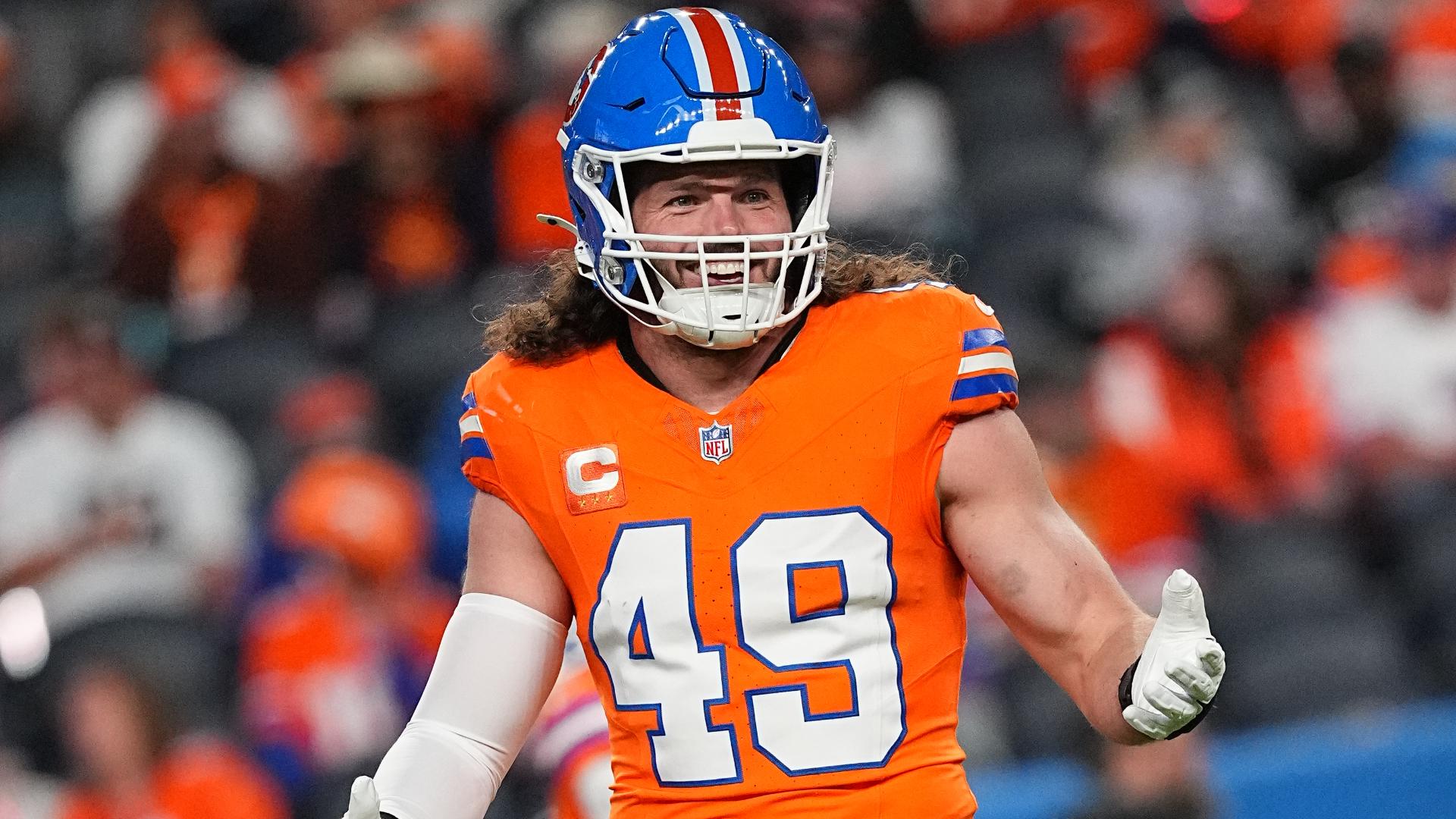
But what followed surprised several people inside the building.
Less than an hour later, Singleton’s camp reached back out with a message that was simple and direct: the veteran linebacker is open to a reworked deal, reduced guarantees, and even a short-term structure—so long as it allows him to continue wearing Broncos colors.
For a team navigating a delicate transition, the moment captured the tension between financial reality and locker-room loyalty.
Singleton, 30, has been one of the Broncos’ most reliable defensive contributors over the past two seasons. Known for his high motor, physical tackling, and leadership presence, he has consistently ranked among the team leaders in tackles and has earned respect from both teammates and coaches for his preparation and effort. While he may not be a headline superstar, his value inside the defense has been undeniable.
However, the modern NFL rarely allows sentiment to outweigh economics.
The Denver Broncos are facing significant salary cap challenges as they attempt to retool the roster, invest in younger talent, and maintain flexibility for future seasons. Every veteran contract is under scrutiny, particularly those that do not align cleanly with the team’s evolving competitive timeline.
From the front office perspective, moving on from or restructuring veteran deals is often less about performance and more about numbers. In Singleton’s case, his cap figure—combined with the emergence of younger, cheaper linebackers—made his spot far from secure.
Still, his willingness to restructure could complicate the equation.
League executives have long noted that players who proactively offer financial concessions often improve their chances of survival during roster reshuffles. While there is no guarantee such gestures lead to a revised deal, they do signal buy-in—and buy-in matters when teams evaluate leadership and culture during transitional periods.
For Singleton, the motivation appears deeply personal. Denver gave him stability and a platform after earlier stops in his career, and by all accounts, he has embraced the city, the fan base, and the responsibility that comes with being a veteran voice on defense. One source described his mindset as “not ready to walk away from what he helped build.”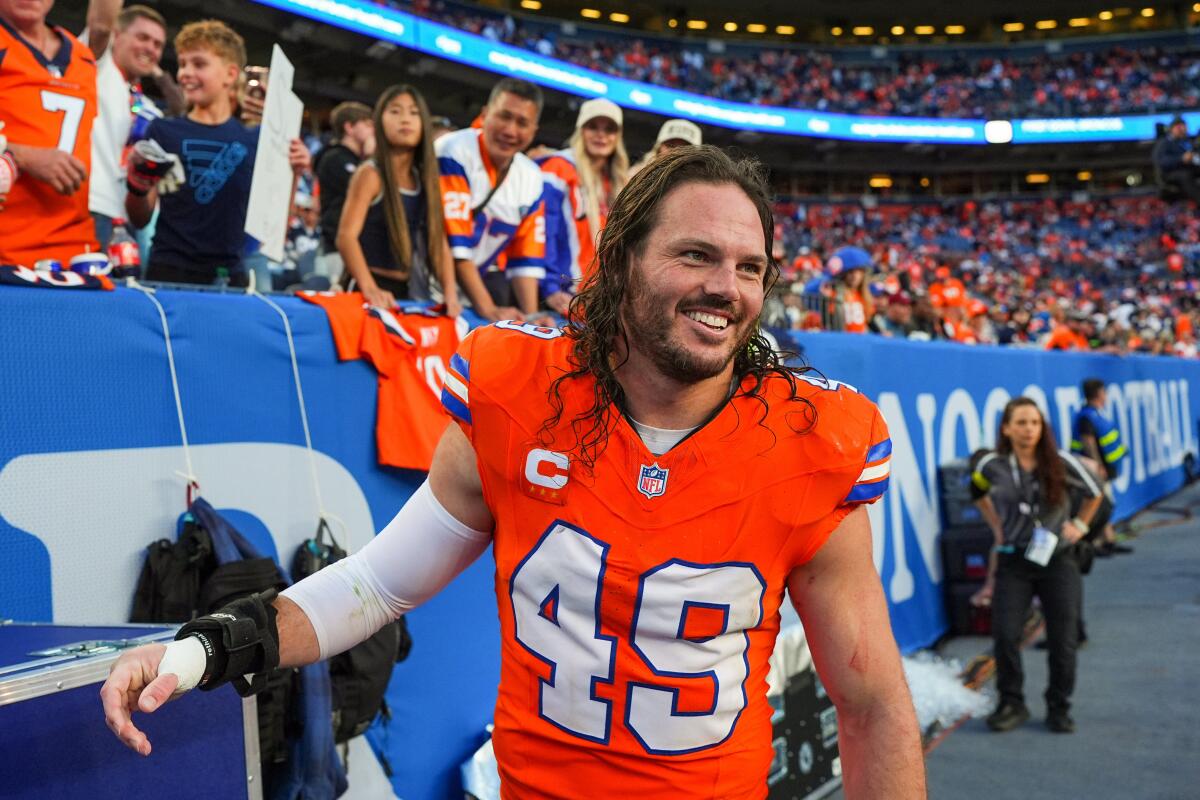
The Broncos, meanwhile, are expected to take time before making a final decision. Restructuring talks, if they move forward, would likely involve converting salary into incentives, reducing guarantees, or shortening the contract length to minimize long-term risk.
Whether that path is ultimately chosen remains uncertain.
What is clear, however, is that this was not a routine cap casualty moment. In a league where players are often informed of their fate and told to move on, Singleton’s rapid response added an unexpected human dimension to an otherwise cold business decision.
As the Broncos continue navigating their offseason reset, this situation serves as a reminder that roster building is not just about spreadsheets and projections—it is also about people fighting for one more chance to belong.
For now, Alex Singleton waits. And Denver must decide whether loyalty and leadership still fit within the numbers.