As the final whistle echoed through the stadium and the scoreboard froze at 16–13, the Minnesota Vikings erupted in celebration. Helmets were tossed into the air, coaches exchanged relieved handshakes, and purple jerseys flooded the field, savoring a hard-earned victory that kept their momentum alive.
But just yards away from the chaos and cheers, a very different scene was unfolding.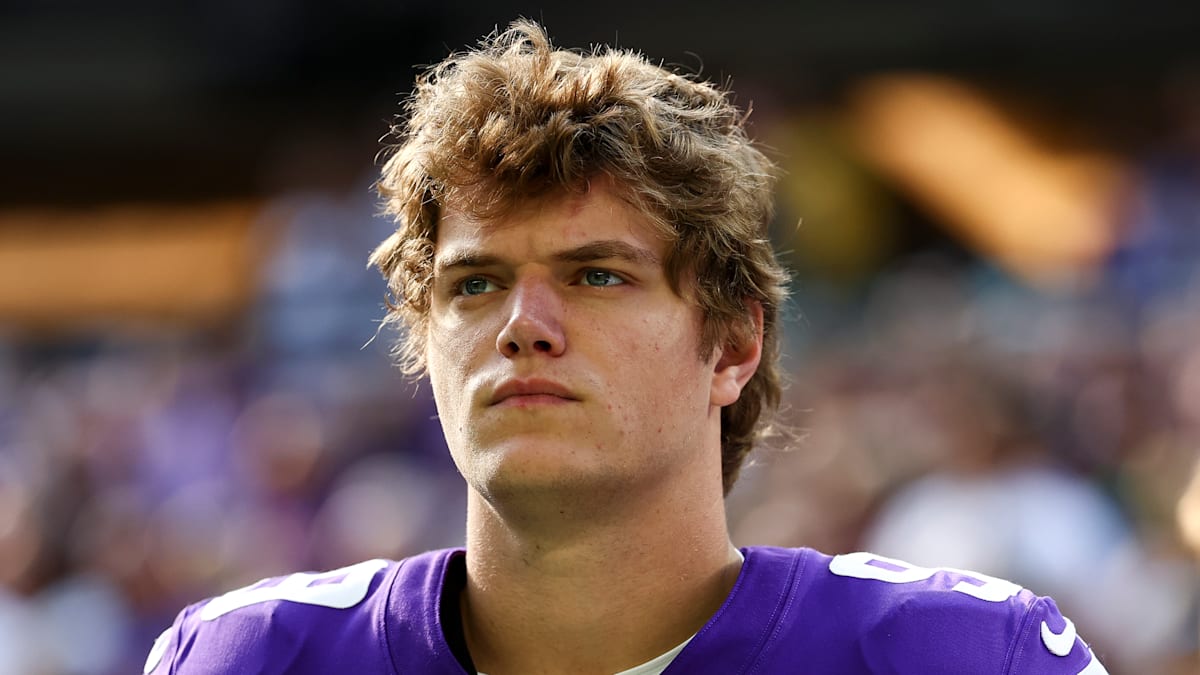
On the far sideline, New York Giants quarterback Jaxson Dart sat alone on the bench, his helmet resting at his feet, his head lowered. The noise around him felt distant, almost muted. This had been one of the most pressure-filled games of his young career — and one that would linger long after the stadium lights dimmed.
Dart had fought all night. He absorbed hits, faced relentless pressure, and tried to will his team forward in a game where every mistake felt magnified. The Giants stayed close, clawing for momentum, but each stalled drive and missed opportunity added weight to his shoulders. When the final seconds slipped away, so did his chance to change the outcome.
In moments like these, quarterbacks often retreat inward — replaying throws, questioning decisions, shouldering blame. Dart appeared ready to carry that burden alone.
Then something unexpected happened.
From across the field, Vikings quarterback J.J. McCarthy broke away from the celebration. Without cameras prompting him or teammates pulling him back, he walked directly toward the Giants’ sideline. It was a quiet, unscripted moment — one no one anticipated.
McCarthy stopped in front of Dart and extended his hand.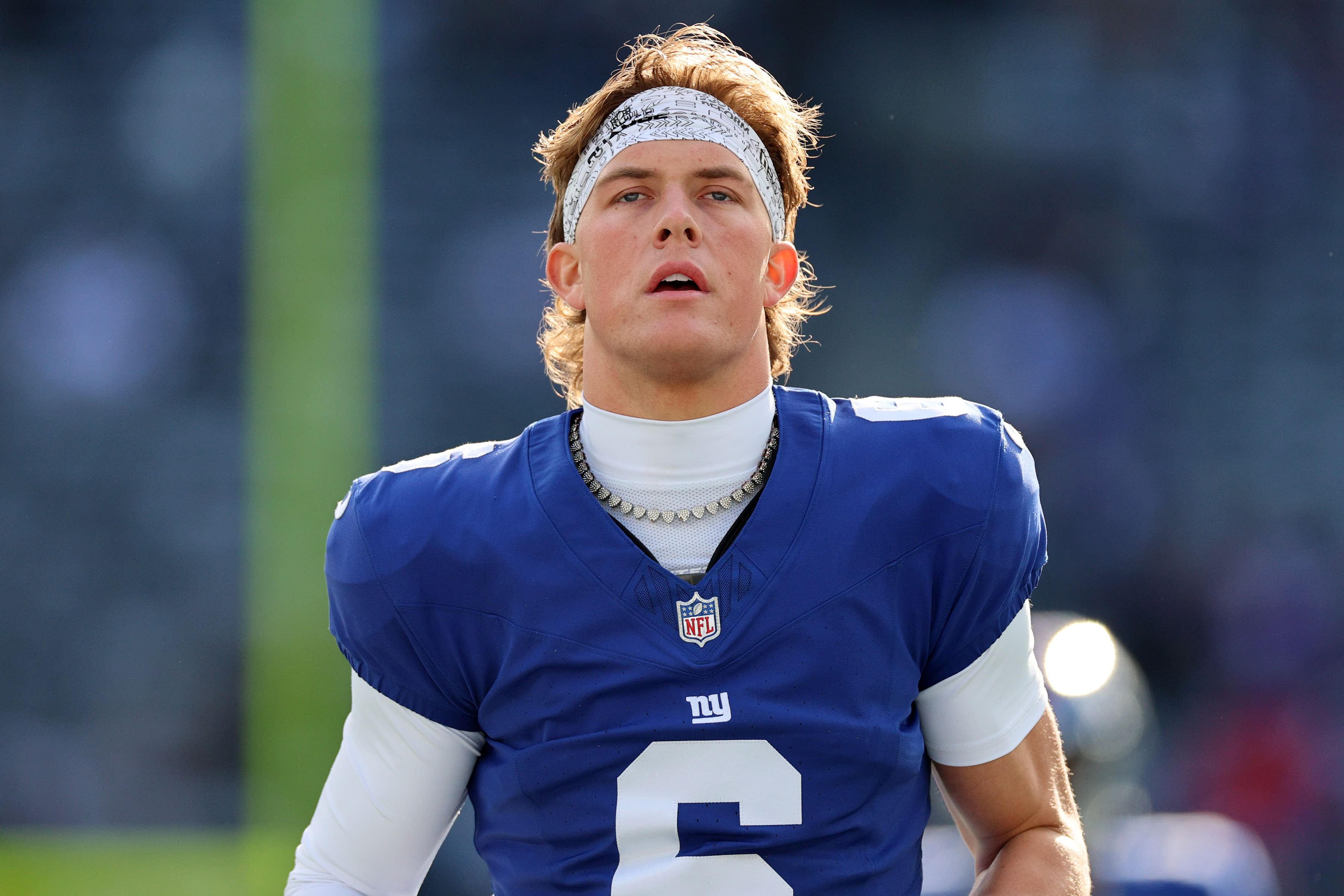
At first, Dart looked up with visible surprise. The quarterback who had spent the entire game trying to outplay him — to defeat him — was now standing there, not as a rival, but as a peer.
Witnesses nearby said McCarthy leaned in and spoke softly, offering words meant only for Dart. While the exact message remains private, the meaning was unmistakable. It wasn’t about the final score. It wasn’t about victory or defeat. It was about respect.
Those close enough to see the exchange noticed Dart nod slowly, his expression shifting — the disappointment still there, but softened. For a brief moment, the pressure lifted.
In a league built on competition, bravado, and constant scrutiny, gestures like this are rare. Quarterbacks are measured relentlessly — by wins, stats, headlines, and expectations. Young players, especially, live under a microscope. One bad night can define narratives that take months to escape.
McCarthy understood that reality. He had faced it himself.
What made the moment powerful wasn’t its visibility, but its sincerity. There was no performance, no press release, no social media post. Just one quarterback acknowledging another’s fight, effort, and future.
As McCarthy walked back toward his teammates, the celebration resumed. Dart, meanwhile, remained seated for a few seconds longer, gathering himself before eventually standing and heading toward the locker room.
The Vikings would remember the win. The Giants would analyze the loss.
But long after the stats fade and the score is forgotten, that quiet exchange on the sideline may endure — a reminder that even in the most brutal, high-stakes corners of professional football, empathy still has a place.
And for Jaxson Dart, on one of the hardest nights of his career, it may have been the message he didn’t know he needed — delivered by the last person he expected to hear it from.