The Denver Broncos entered the season with major expectations surrounding their offense, especially after investing heavily in a $23 million free-agent signing at the tight end position. Yet in an unexpected turn that has caught fans and analysts off guard, it is Adam Trautman who has emerged as the most impactful presence — not the high-priced newcomer, but the quietly consistent tight end who is now forcing a serious re-evaluation of Denver’s offensive future.
Trautman’s rise has not been sudden, but rather the result of steady development, trust from the coaching staff, and an ability to execute when it matters most. Week after week, he has delivered reliable hands, disciplined route-running, and a physical edge that has translated into first downs and red-zone efficiency. While the Broncos’ marquee free agent arrived with fanfare and expectations tied to his contract, Trautman has been the one producing tangible results on the field.
What makes Trautman’s performance even more compelling is the context. The Broncos offense has been searching for consistency, identity, and dependable playmakers beyond the wide receiver group. In that environment, Trautman has become a stabilizing force. Whether chipping in as a blocker or slipping into open zones to convert on third down, he has proven himself invaluable in ways that don’t always show up in headline statistics but are impossible to ignore on film.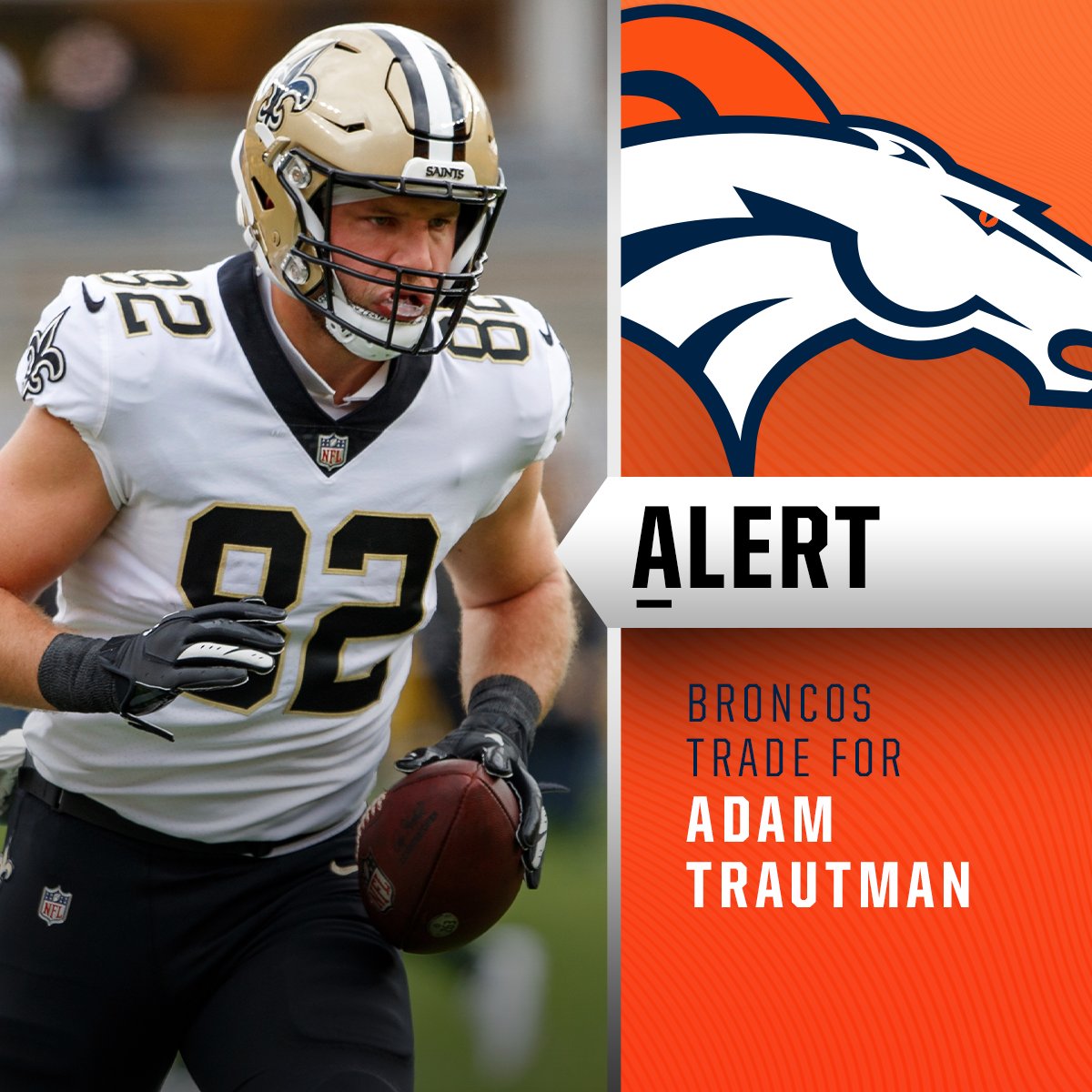
Coaches and teammates have taken notice. Trautman’s chemistry with the quarterback has visibly improved, particularly on timing routes and play-action concepts. His understanding of spacing and coverage has allowed him to exploit mismatches against linebackers and safeties, turning modest gains into momentum-shifting plays. Meanwhile, the $23 million free agent — expected to dominate snaps and production — has struggled to consistently separate, contributing to growing questions about value versus impact.
The situation highlights a broader truth in the NFL: contracts do not guarantee influence. Performance does. Trautman’s edge comes from familiarity with the system and a clear understanding of his role. He knows when to be aggressive, when to block, and when to make himself available as a safety valve. That reliability is exactly what offensive coordinators crave, especially during high-pressure situations late in games.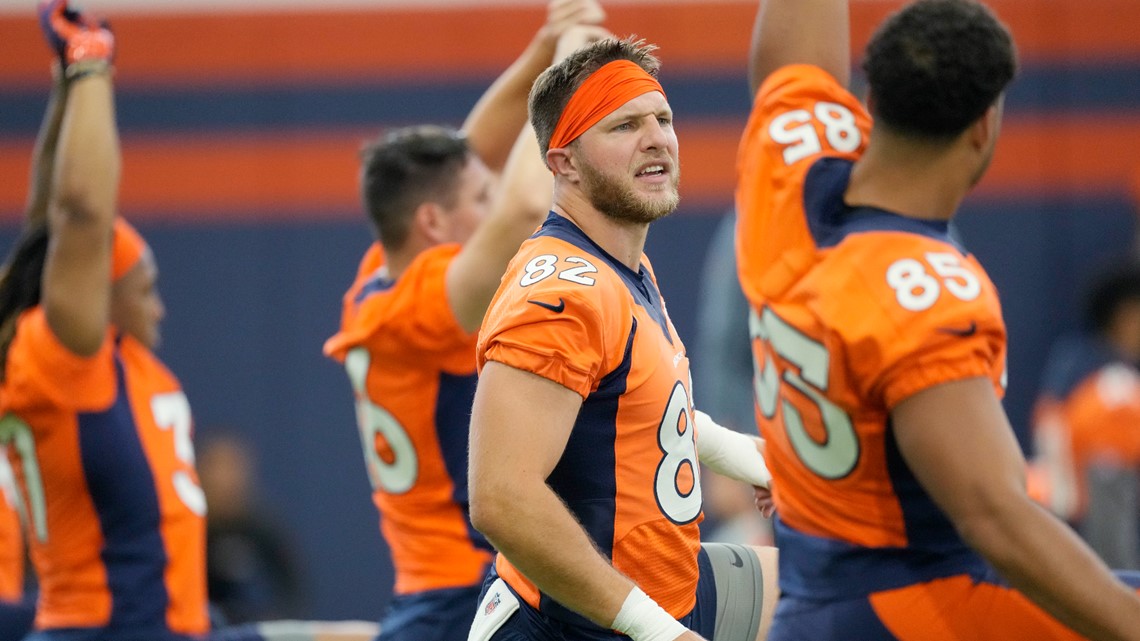
For Denver Broncos, Trautman’s emergence could reshape long-term plans. If he continues on this trajectory, the Broncos may have already found a cost-effective, high-upside solution at tight end — one who can grow into a centerpiece rather than a complementary option. It also raises uncomfortable questions about resource allocation and whether the team’s investment in free agency truly addressed its most pressing needs.
From a locker-room perspective, Trautman’s story resonates. He represents the kind of internal development teams hope for: a player who improves year by year, stays ready, and capitalizes on opportunity. In a league where patience is rare, his success reinforces the value of continuity and trust between player and coaching staff.
Looking ahead, the question is no longer whether Adam Trautman belongs in the Broncos’ offensive plans — it’s how central he will become. If his current form holds, Denver may soon be designing packages specifically around his strengths, further cementing his role as a foundational piece rather than a pleasant surprise.
In a season full of uncertainty, Adam Trautman has delivered clarity. He has outplayed expectations, outperformed a far more expensive counterpart, and positioned himself as a potential cornerstone of the Broncos’ offense. For fans in Denver, the message is clear: sometimes, the future isn’t bought — it’s built.