Late in the third quarter at Empower Field at Mile High, what had been a tightly contested game between the Green Bay Packers and the Denver Broncos changed in an instant. Micah Parsons, the defensive powerhouse for Green Bay, went down with a brutal, non-contact knee injury while rushing the quarterback. The stadium fell into stunned silence, a collective gasp echoing through the stands as fans realized the severity of the moment. Immediate fears of a season-ending injury quickly spread among commentators, teammates, and Packers fans alike.
Parsons, who had been one of the driving forces behind Green Bay’s dominant defense in 2025, would later undergo surgery. The procedure confirmed worst fears: his campaign for the season was effectively over. Parsons entered the game with 12.5 sacks and had been a central figure in Green Bay’s push toward NFC North supremacy. His absence could drastically alter the team’s postseason hopes, forcing adjustments both on the field and in the locker room. Yet, as serious as the loss was for the Packers, it was what happened after the final whistle that made headlines in a completely different way.
While Denver celebrated a monumental victory that helped solidify their place in the playoff picture, one veteran player made a choice that surprised everyone. Mike McGlinchey, an experienced offensive lineman for the Broncos, did not rush home after the celebrations. Instead, he drove directly to the hospital where Parsons was undergoing surgery. There were no cameras, no media statements, no public announcements—only a silent act of presence that carried immense meaning.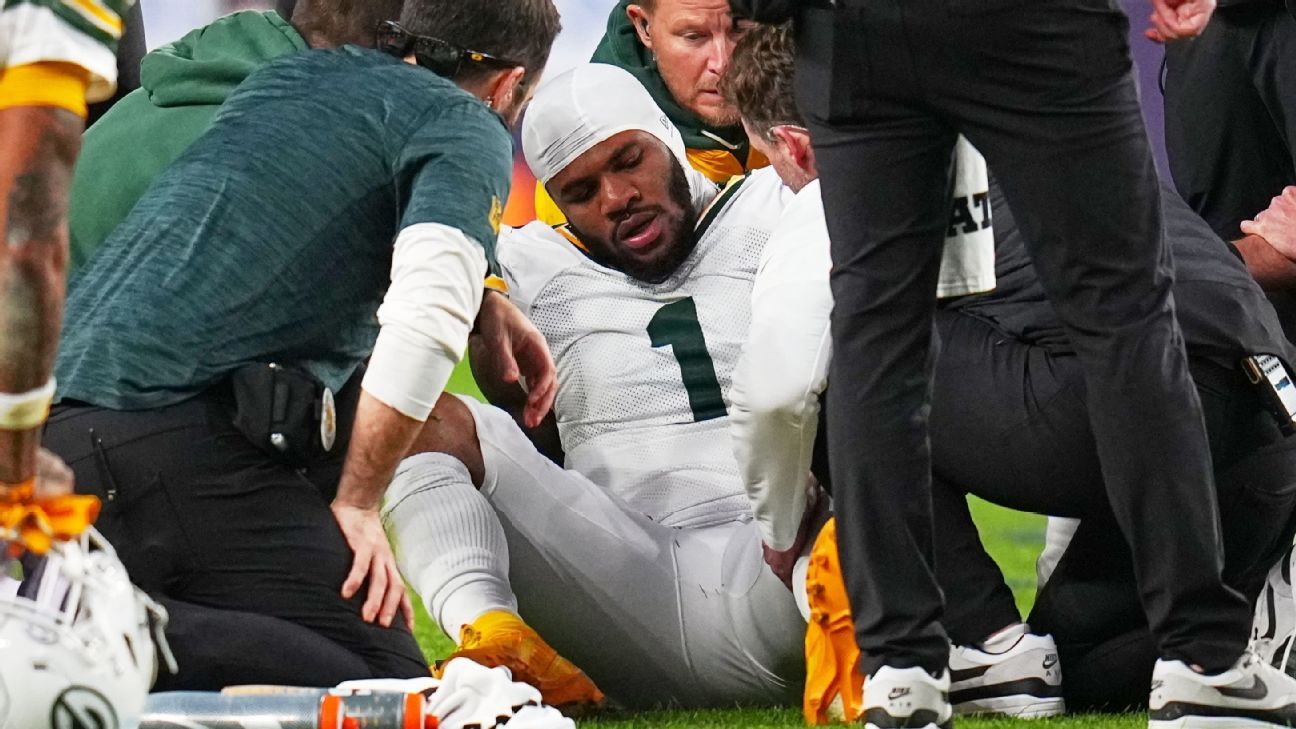
When Parsons woke up from surgery, he was met by McGlinchey’s quiet gesture. The moment left a profound impact on the star linebacker, highlighting the human side of football that rarely makes headlines. “When I woke up after surgery and saw him there, it meant more than I can explain,” Parsons later said. “The block was clean, and that’s football.” These words underscored a level of respect and sportsmanship that transcended the intensity of the game and the rivalry between teams.
Parsons’ message went further, extending respect to the Broncos as a team. “Much respect to him and to the Broncos — they played an outstanding game and deserved the win,” he added. In a league often defined by injury controversies, heated debates, and accusations of foul play, Parsons’ response was a testament to clarity and class. He acknowledged the physical reality of football, while simultaneously emphasizing the integrity and professionalism that exists behind the scenes.

The game itself had been filled with high-intensity moments. Parsons’ relentless pressure on Denver’s offense had been a key factor keeping Green Bay in contention. His absence from the field not only left a gap in the Packers’ defensive line but also signaled a potential shift in playoff dynamics. Yet, amid the uncertainty about the season’s trajectory, the moment between Parsons and McGlinchey reminded fans and players alike why the NFL remains widely respected—not just for its athleticism, but for moments of genuine human connection.
For Denver, the night was a celebration of playoff success, a testament to teamwork and strategic execution. For Green Bay, it marked the loss of one of its most dominant defensive players, a blow that could alter the course of their postseason. And in between these competing realities was a single, meaningful gesture: the quiet, unheralded sportsmanship shown by an opponent, reminding everyone that respect often matters more than the scoreboard.
Football, at its core, is built on collisions, speed, and controlled chaos. But moments like these illustrate that the game’s most memorable impact isn’t always measured in yards or points. For Micah Parsons, the road ahead may be uncertain, filled with rehabilitation and recovery challenges. Yet one moment from this night stands as a highlight of his season—not on the field, not in a highlight reel, but in the quiet acknowledgment of respect and decency.
As the league continues to navigate a season filled with injuries, rivalries, and controversies, moments like Parsons’ highlight the essence of the sport. They remind players and fans alike that the NFL is not just about athletic competition—it is also about character, respect, and the humanity that exists amid the violence of the game. For Parsons, while the remainder of the season may be defined by recovery and missed opportunities, the gesture of Mike McGlinchey ensured that one of the most meaningful moments of 2025 will not be forgotten.