As the Minnesota Vikings push deeper into a critical stretch of the season, concern is quietly building around the team’s defensive preparation. According to multiple team-watchers and league insiders, Andrew Van Ginkel—an important piece of Minnesota’s defensive front—has been repeatedly absent from recent practices, creating uncertainty at the worst possible time as playoff scenarios begin to take shape.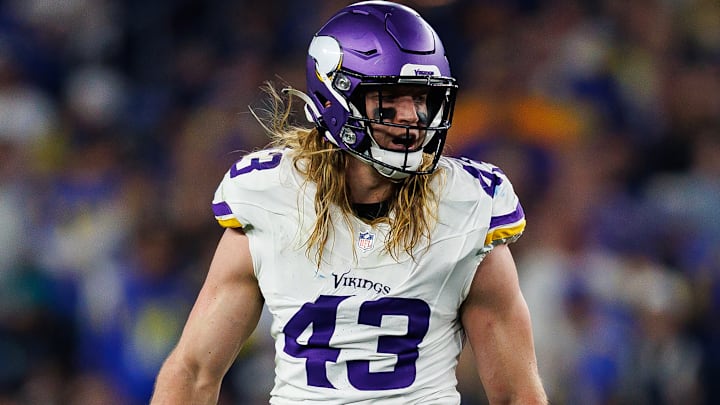
Van Ginkel, who has played a versatile role along the edge and within the Vikings’ defensive scheme, is widely viewed as a key chess piece in coordinator Brian Flores’ system. His ability to pressure the quarterback, set the edge against the run, and drop into coverage has allowed Minnesota to disguise looks and remain aggressive defensively. That versatility, however, also makes his absence particularly disruptive.
While the team has not publicly disclosed detailed reasons for Van Ginkel’s continued absence, the lack of on-field reps has already begun to affect defensive cohesion. NFL defenses thrive on timing, communication, and trust—elements built through repetition. Without Van Ginkel participating consistently in practice, coaches have reportedly been forced to reshuffle packages, limit certain looks, and lean more heavily on contingency plans.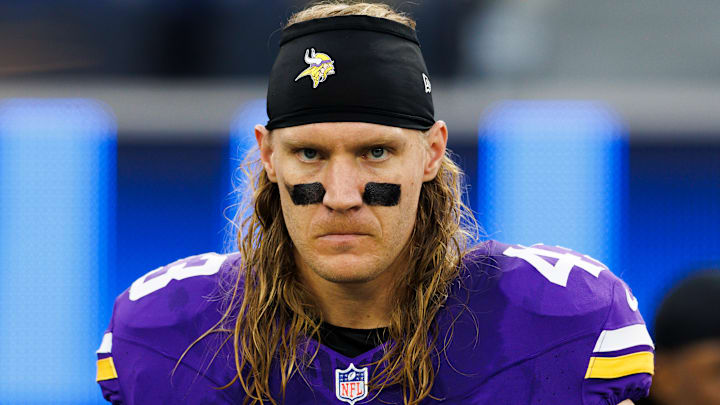
Those adjustments may be manageable in the short term, but the stakes rise dramatically with the playoffs looming. Opposing offenses exploit hesitation and misalignment, especially in high-pressure postseason environments. Any uncertainty along the defensive front can be magnified, particularly against elite quarterbacks who thrive at identifying mismatches before the snap.
Van Ginkel’s importance extends beyond statistics. His presence often allows Minnesota to be unpredictable, rotating fronts without substituting personnel and keeping offenses guessing. Without him, the Vikings risk becoming more readable—something Flores has worked relentlessly to avoid.
Inside the locker room, teammates have maintained a professional tone, emphasizing a “next man up” mentality. Younger defenders have received increased practice reps, and veterans have taken on expanded leadership roles. Still, even the most disciplined teams feel the impact when a core contributor is unavailable during crucial preparation windows.

From a strategic standpoint, the absence complicates Minnesota’s playoff planning. Coaches typically use late-season practices to fine-tune situational football—third downs, red-zone packages, and late-game defensive calls. Van Ginkel has been a regular part of those looks throughout the season. Replacing him on the fly risks reducing flexibility at a time when adaptability can determine postseason survival.
Fans, meanwhile, have grown increasingly anxious. Social media speculation has ranged from injury management to personal matters, though the organization has remained tight-lipped. That silence has only fueled concern, especially given how thin the margin for error becomes in January football.
The Vikings’ front office and coaching staff are clearly walking a careful line. Rushing a player back prematurely can be just as damaging as preparing without him at all. At the same time, prolonged absence limits continuity and forces schematic compromises that may surface when the pressure peaks.
What happens next could shape Minnesota’s playoff fate. If Van Ginkel returns to practice soon and ramps up quickly, the disruption may prove temporary. If not, the Vikings may be forced to enter the postseason leaning on adjusted schemes and less-tested combinations—an approach that carries risk against top-tier competition.
For now, the situation remains unresolved. But one thing is clear: as the Vikings chase a postseason run, the continued absence of Andrew Van Ginkel is no longer a minor storyline. It’s a developing concern—one that could influence not just tactics, but outcomes, when the games matter most.