Supreme Court Weighs Case That Could Redefine Presidential Power and the Future of Independent Agencies
Washington — The Supreme Court heard arguments this week in a case that could fundamentally reshape the structure of the federal government, reviving questions about presidential authority that have been largely settled for nearly a century. At stake in Trump v. Slaughter is not simply the removal of a single Federal Trade Commission official but whether independent agencies, long insulated from political pressure, can continue to exist in their current form.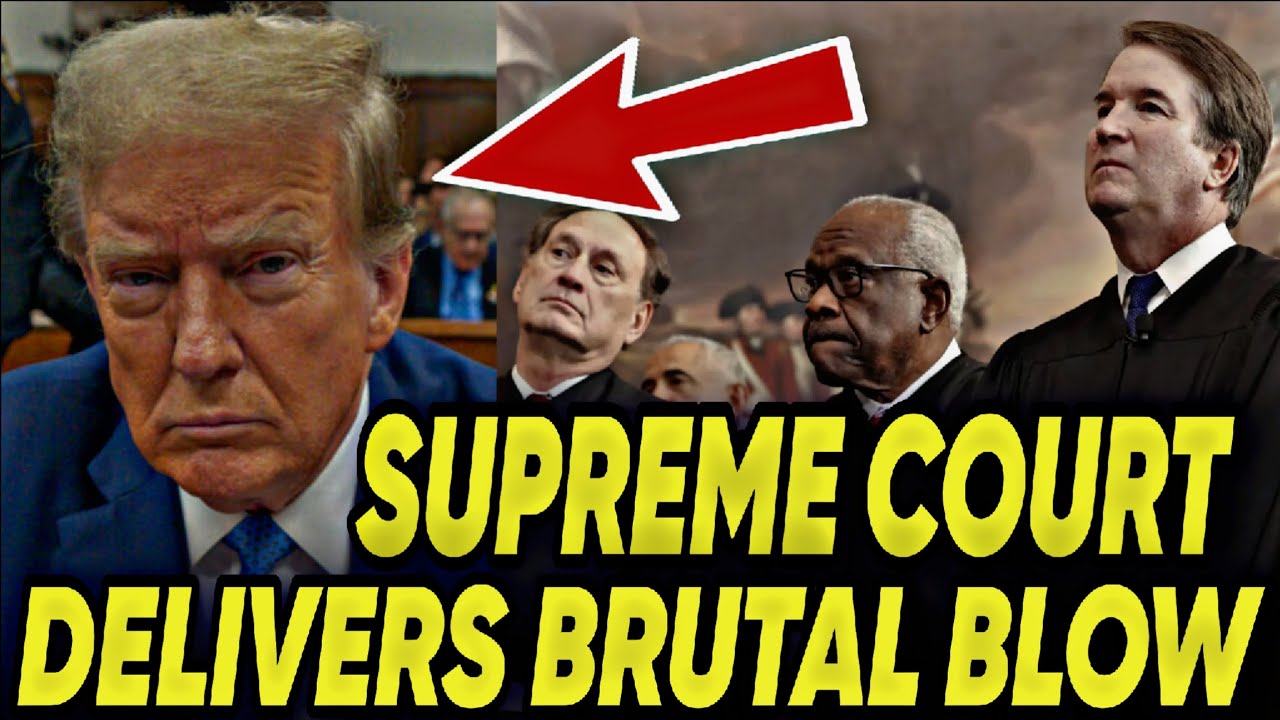
The controversy began in March 2025, when President Donald J. Trump dismissed Rebecca Kelly Slaughter, an FTC commissioner whose term was legally set to continue until 2024. Unlike cabinet officials or White House advisers, FTC commissioners serve fixed terms and historically can be removed only for “cause”—defined as inefficiency, neglect of duty or malfeasance. The White House cited none of those grounds. Instead, officials pointed to a “lack of agenda alignment,” a phrase critics argue effectively punishes independence itself.
The dismissal directly challenges Humphrey’s Executor, a 1935 precedent that has served as the constitutional foundation for independent agencies. In that landmark decision, the Court ruled that Congress may shield commissioners from at-will removal to preserve neutrality in areas involving financial markets, consumer protection and labor relations.
But in arguments before the Court, Solicitor General D. John Sauer urged the justices to overturn that precedent entirely, arguing that Article II gives the president “absolute” authority to remove any executive branch official. Removal protections, he said, “saddle” the president with subordinates who may obstruct the “faithful execution of the law.”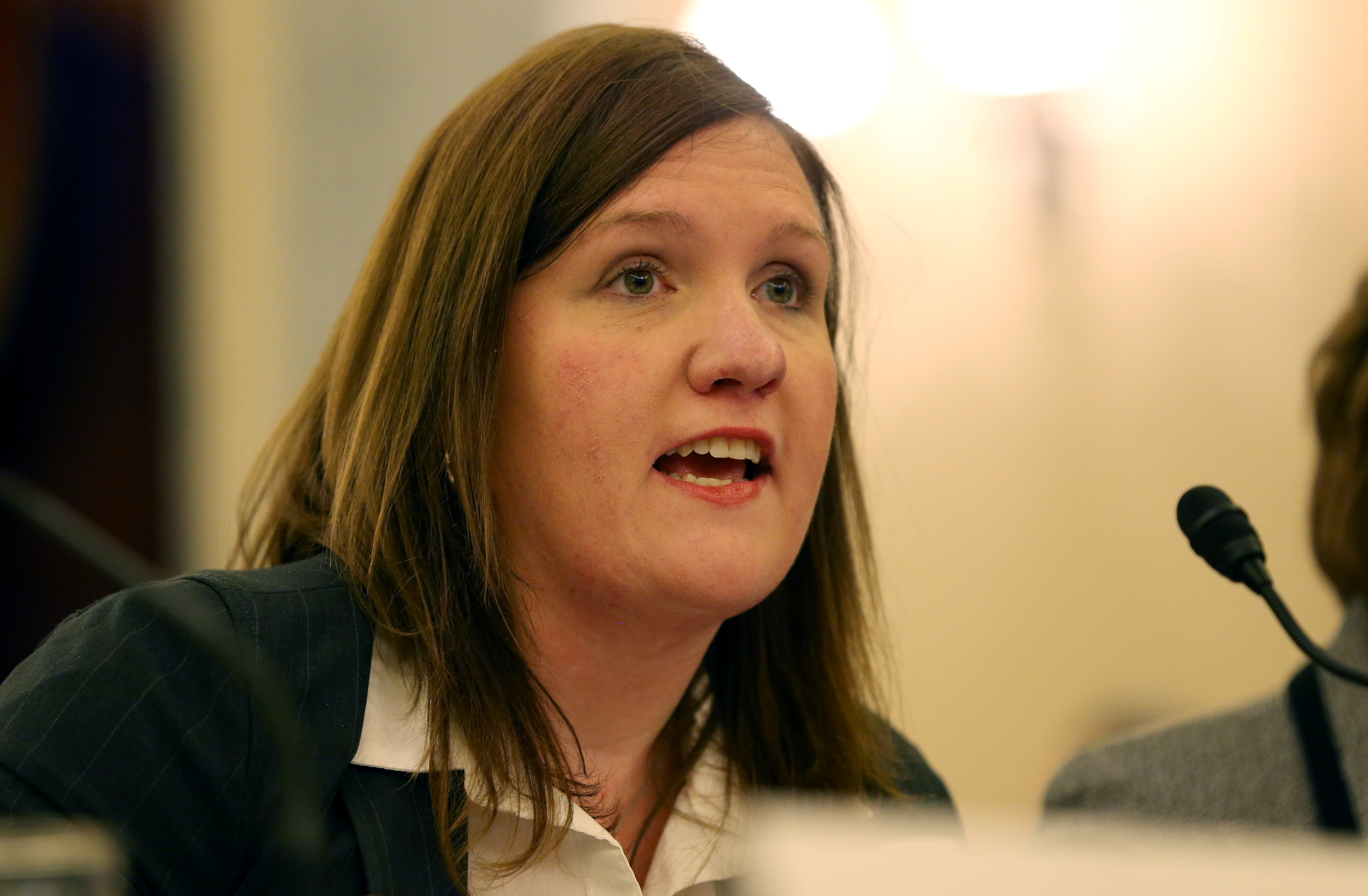
Several justices—including some sympathetic to expansive executive power—appeared uneasy with the breadth of the government’s theory. They pressed Mr. Sauer on whether any meaningful limits on presidential authority would remain. Others questioned the consequences for the broader administrative state, noting that more than two dozen agencies, including the Federal Reserve, the Securities and Exchange Commission and the National Labor Relations Board, rely on similar protections.
The implications extend far beyond the FTC. A ruling in Mr. Trump’s favor could allow presidents to unilaterally fire the leaders of the Federal Reserve over interest-rate decisions, or dismiss SEC officials overseeing investigations into political allies. It would represent the most sweeping expansion of presidential power in modern American history, effectively reviving elements of the 19th-century “spoils system,” when government posts were awarded primarily through political loyalty.
The case arrives amid a broader reconfiguration of federal authority. In a separate 6–3 ruling last week, the Court limited the power of lower courts to issue nationwide injunctions—decisions that often halt major executive actions. The ruling is expected to ease the administration’s path toward implementing its plan to restrict birthright citizenship, a policy long assumed to face immediate judicial blockage.
Together, the two developments signal a federal landscape in flux: a judiciary narrowing the ability of courts to constrain presidential orders while simultaneously weighing whether to dismantle structural checks inside the executive branch itself.
The Court’s decision in Trump v. Slaughter, expected later this term, will determine whether the United States maintains a system of expert-driven, quasi-independent governance—or enters a new era in which the federal apparatus becomes directly and wholly subordinate to the president.