Trump’s Remarks About Somali Americans Ignite Fierce Backlash and Quiet Alarm Within the GOP
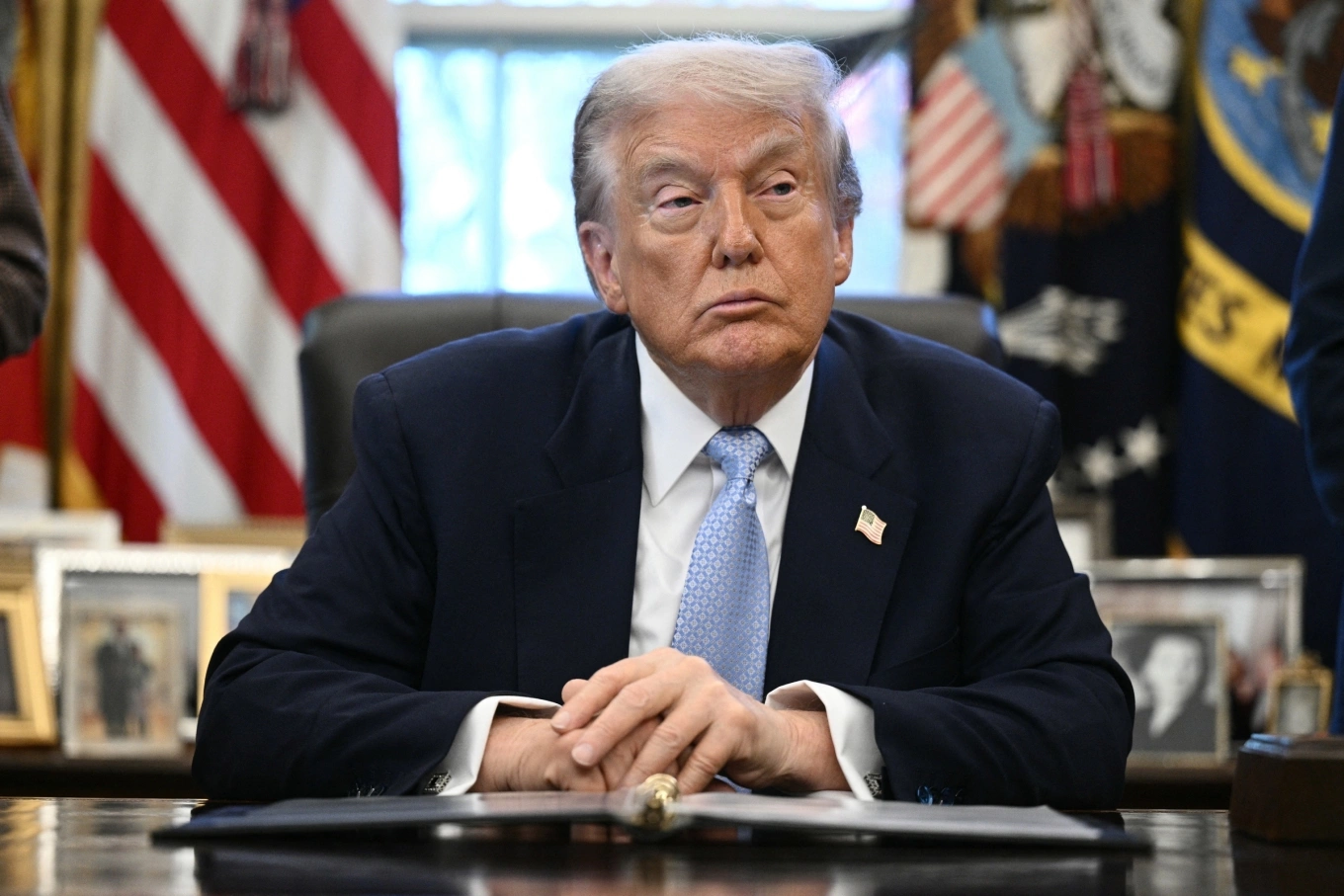
Washington — Former President Donald J. Trump ignited a political firestorm this week after delivering a speech in which he sharply criticized Representative Ilhan Omar and made sweeping comments about Somali American communities in Minnesota — remarks that drew immediate condemnation from civil-rights groups, Democratic leaders and, privately, several Republicans who fear the fallout could widen an already growing electoral vulnerability.
During a rally in the Minneapolis area, Mr. Trump accused Ms. Omar, a Democrat representing Minnesota’s 5th District, of “destroying the country from within” and implied that Somali immigrants were undermining public safety — claims that local officials and researchers dismissed as inaccurate and inflammatory. The remarks, which circulated online within minutes, prompted an avalanche of criticism and revived long-standing concerns over Mr. Trump’s use of racial and ethnic grievances as political fuel.
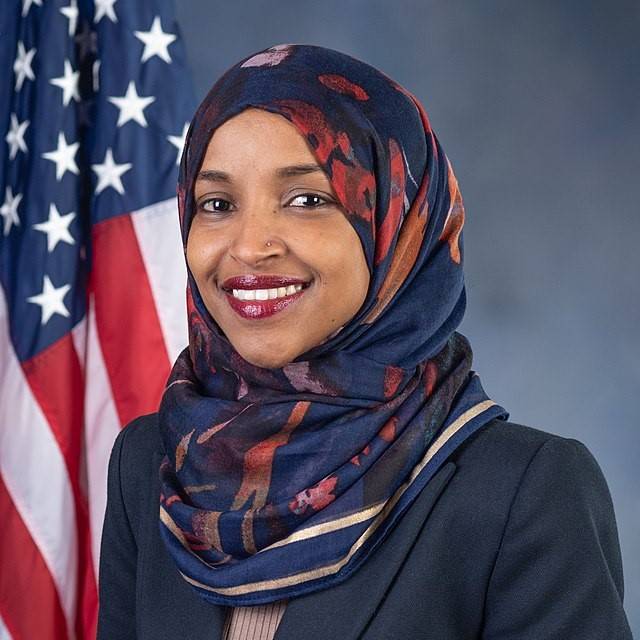
Ms. Omar, responding on social media, called the comments “dangerous, false, and intended to incite division.” Leaders within Minnesota’s Somali American community described the remarks as an attack on an entire population, one that has lived in the state for decades and contributes significantly to local businesses, schools and public life.
What made the episode more striking, aides and political strategists said, was the speed with which Republican officials — typically unified in defending Mr. Trump — appeared uneasy about the tone and intensity of his rhetoric. Several GOP lawmakers, speaking anonymously to avoid political retaliation, said they were concerned that the comments risked alienating immigrant, Muslim and suburban voters the party is struggling to court.
One senior Republican strategist described “a genuine ripple of panic” inside the party as the backlash escalated online. “Every time this kind of rhetoric resurfaces, it forces candidates in competitive states to answer for it,” the strategist said. “It distracts from every other issue we’re trying to talk about.”
Publicly, most Republican leaders avoided direct criticism of the former president, instead offering general statements about unity and respect for all Americans. But privately, several acknowledged frustration that the remarks overshadowed recent efforts by the party to present a more inclusive message.
Democrats moved quickly to frame the incident as emblematic of what they view as Mr. Trump’s long-standing reliance on racial polarization. Minnesota Governor Tim Walz said the former president was “once again trying to divide Minnesotans,” while local civic groups urged national leaders to “forcefully reject attempts to stigmatize immigrant communities.”
The controversy also highlighted the political sensitivity around Minnesota’s Somali American population — one of the largest in the United States. Community leaders have long confronted stereotypes and misinformation that periodically reemerge in political discourse, and repeatedly warn that heated rhetoric can fuel harassment or threats.
In interviews on Wednesday, several Somali American residents said they were less surprised by Mr. Trump’s remarks than by the intensity of the online reaction that followed. By mid-day, hashtags defending the community had trended nationally, while conservative commentators engaged in a heated debate over whether the former president’s comments crossed a line or reflected broader frustrations among GOP voters.
For Ms. Omar, who has frequently been the target of attacks from Mr. Trump and his allies, the episode became an opportunity to highlight both the diversity of her district and the risks she believes come with political rhetoric that paints minority groups with a broad brush. Her office issued a statement urging national leaders “to stand against dehumanizing language and ensure all Americans can live free from fear.”
The former president has not walked back his remarks. Instead, he doubled down in a subsequent online post, accusing Democrats of “protecting people who hate our country” — a claim that fact-checkers noted was unsupported and inflammatory.
Political analysts say the long-term impact of the controversy is unclear. On one hand, Mr. Trump’s base has historically embraced his combative, grievance-driven style, even when it sparks public outrage. On the other, Republicans working to broaden the party’s coalition worry that repeated controversies risk driving away moderate, immigrant and suburban voters who have shifted leftward in recent election cycles.
“This is the tension inside the GOP,” said a political science professor at the University of Minnesota. “Trump mobilizes his base through rhetoric that others see as racially charged. The question for Republicans is whether they can afford the collateral damage.”
For now, the episode has sharpened divisions across the political spectrum — and within the former president’s own party. As the 2024 landscape intensifies, strategists on both sides agree that the political, cultural and demographic forces surrounding Minnesota’s Somali American community may continue to play an outsized role in shaping the next phase of the national debate.