Conservative Media Faces Scrutiny as Economic Anxiety and Cultural Clashes Intensify
WASHINGTON — A day of frenetic programming on Fox News — referred to by critics as “state regime media” — sparked a new wave of political debate on Wednesday as hosts struggled to address mounting economic concerns while amplifying a series of cultural flashpoints that have dominated conservative broadcasts in recent weeks.
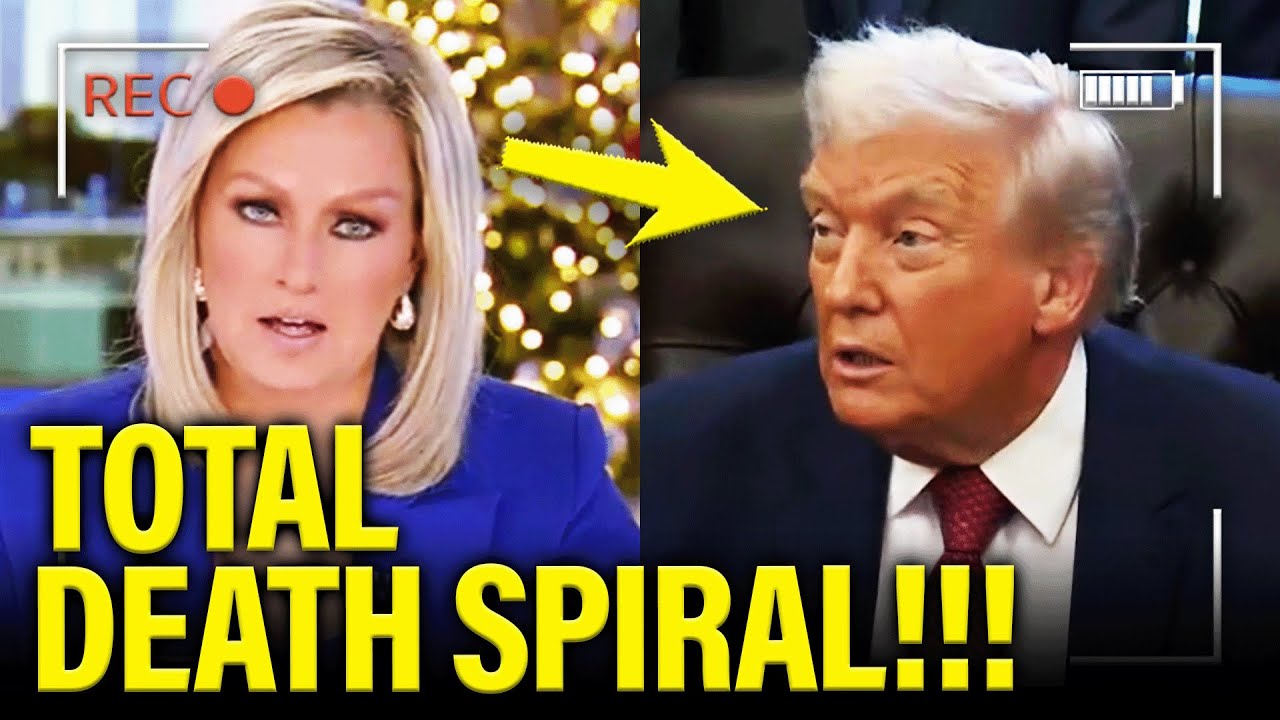
The tension unfolded in real time as anchors hesitated to use the word “affordability,” a term former President Donald J. Trump has dismissed as a “scam.” During a live segment awaiting remarks from Mr. Trump, hosts awkwardly rephrased economic concerns, joking that uttering the term might prompt an immediate rebuke. The moment drew widespread attention online, where commentators framed it as evidence of the former president’s increasingly direct influence over the network’s coverage.
The hesitation came as private payroll data from ADP showed an unexpected loss of 35,000 jobs, contrasting sharply with forecasts of growth. Analysts warned that the report may reflect deepening instability in several labor sectors. For Democrats, the numbers served as a fresh indictment of the former president’s handling of the economy. Conservative commentators on the network, however, largely pivoted away from the report.
Instead, segments quickly shifted to a series of cultural controversies, including escalating criticism of pop star Sabrina Carpenter, who publicly objected to her music being used in pro-Trump videos that depicted violent imagery involving migrants. After Ms. Carpenter condemned the use of her songs, several Fox hosts questioned her performances and described her as emblematic of what they framed as declining artistic standards. Media analysts noted that the sustained focus on the dispute diverted attention from the day’s economic developments.
The coverage soon expanded to other figures, including actress Sydney Sweeney, who was discussed in segments framed around her appearance. Critics said the discussions — which included commentary on whether “Republican women are hotter” — showcased the network’s reliance on sensationalism to maintain viewer engagement. Fox did not respond to requests for comment regarding the segments.
Another portion of the broadcast centered on an undergraduate student whose religiously based response on a pre-medical assignment led to a failing grade. Conservative hosts portrayed the incident as evidence of ideological bias in academia. However, faculty members familiar with similar disputes said that coursework evaluating scientific literacy requires students to provide academically supported conclusions, regardless of personal belief.
The network also amplified unverified claims about Somali immigrant communities, citing commentary from Republican lawmakers who alleged disproportionate crime rates. Community leaders in Minnesota condemned the language as inflammatory and misleading, noting that such statements have historically fueled xenophobic sentiment.
Throughout the day, the programming showcased a recurring dynamic: economic anxieties pushing against cultural grievances, often resolved in favor of the latter. The result, analysts say, reflects a broader challenge within conservative media as it attempts to navigate a political landscape in which economic pressure, demographic change and online activism collide.
As the job market shows signs of strain and Affordable Care Act subsidies approach expiration at year’s end, millions of Americans face rising premiums and uncertainty. Yet the political conversation on Wednesday largely revolved around celebrities, campus controversies and immigration — a reshuffling of priorities that critics argue leaves viewers less informed about the issues shaping their daily lives.