WASHINGTON — In a dramatic escalation following a shooting near the White House that left one National Guard member dead, President Donald Trump has moved swiftly to announce a series of immigration policy changes while criticizing the legitimacy of his predecessor’s executive orders. The incident, which occurred Wednesday evening, has thrust immigration and executive authority back into the national spotlight, raising concerns among lawmakers, legal experts, and advocacy groups about the scope of presidential power and due process.
The suspected shooter, identified as an Afghan national who entered the United States legally in 2021 under a resettlement program, was later confirmed to have previously worked with U.S.-backed military units during the war in Afghanistan. The suspect was granted asylum under the Trump administration months before the attack. Authorities had previously conducted vetting through the Department of Homeland Security and the FBI, as reported by the Justice Department earlier this year.
Trump’s immediate response to the shooting involved a rapid deployment of additional National Guard troops to Washington, D.C., despite a federal judge recently ruling that such a deployment for crime deterrence was unlawful, citing concerns over the militarization of domestic law enforcement and potential violations of the city’s self-governance. Within hours, the president issued social media posts declaring plans to pause migration from all so-called “third world countries” and restrict federal benefits for non-citizens, citing the alleged immigrant status of the suspect as justification.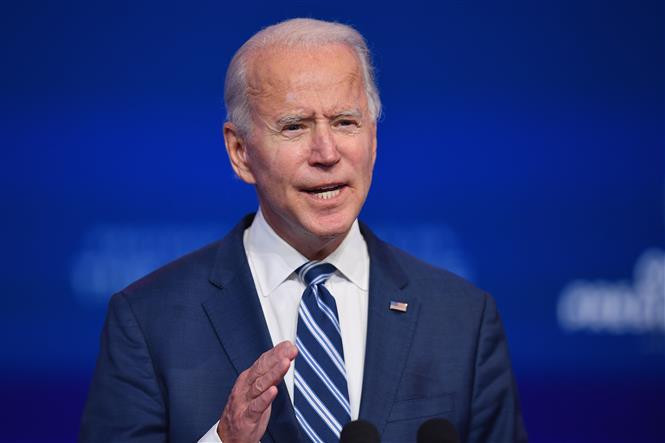
The Department of Homeland Security later referenced the 2017 travel ban list of 19 countries, including Afghanistan, Laos, and Venezuela, when asked about potential implementation. Concurrently, U.S. Citizenship and Immigration Services announced a suspension of immigration processing for Afghan nationals and a comprehensive review of green cards issued to immigrants from countries of concern, expanding to include cases approved under the Biden administration
Legal experts have raised concerns that these sweeping changes may exceed the bounds of presidential authority. “There are clear constitutional limits on using the executive branch to broadly suspend immigration rights or retroactively challenge lawful visas,” said Rachel Weiner, an immigration law scholar at Georgetown University. Meanwhile, advocacy groups warn that aggressive enforcement actions, including reports of ICE operations in communities and courthouses, risk creating a climate of fear among immigrant populations.
In parallel with immigration policy moves, Trump has launched a series of statements questioning the legitimacy of executive orders signed under President Joe Biden. Central to these claims is the use of an autopen, a signature machine commonly employed by U.S. presidents to sign documents. Trump has alleged, without evidence, that the device was misused to approve executive orders without Biden’s knowledge, a claim dismissed by the Justice Department as legally unfounded. Republican allies have supported these assertions, framing the issue as justification to nullify Biden-era policies
Critics argue that these twin policy drives — aggressive immigration measures and the broad challenge to executive authority — reflect a willingness to challenge established legal norms. “The speed and scale of these actions are unprecedented,” said Jessica Levinson, a constitutional law professor at Loyola Law School. “They raise fundamental questions about checks and balances and the rule of law in the executive branch.”
As the nation grapples with the aftermath of the White House shooting, both supporters and opponents of the president’s actions have voiced strong reactions. Some hail the steps as necessary for national security, while others view them as a politically motivated attempt to consolidate power and undermine the policies of the previous administration.
Observers caution that the implications of these decisions will continue to unfold in the coming weeks, as Congress, federal courts, and advocacy groups weigh in on the legal and societal ramifications of the administration’s moves. The incident and subsequent policy announcements underscore the ongoing tension between executive authority, immigration policy, and public safety in a deeply divided political climate.